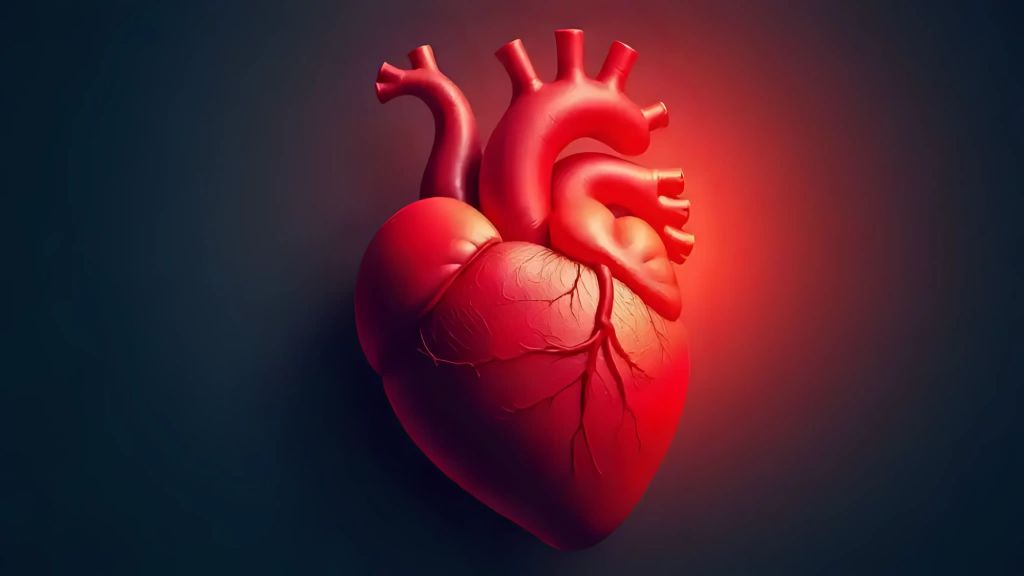
Heart health is an essential aspect of overall well-being. Small lifestyle changes can significantly reduce the risk of heart disease, contribute to improved heart function, and promote longevity. This essay will explore key changes that can enhance heart health, evaluate the impact of these changes, and consider recent developments in this field.
The first essential change necessary for better heart health is adopting a balanced diet. A heart-healthy diet is rich in fruits, vegetables, whole grains, lean proteins, and healthy fats. The Mediterranean diet serves as an excellent example, emphasizing foods such as olive oil, nuts, fish, and whole grains. Research has shown that such dietary patterns can lower blood cholesterol levels and reduce the risk of cardiovascular diseases. The American Heart Association encourages individuals to limit saturated fats and trans fats while increasing their intake of fiber-rich foods. A recent study highlighted that diets high in potassium, magnesium, and fiber could help control blood pressure and reduce heart disease risk significantly. The shift towards plant-based diets has gained popularity as research continues to demonstrate the benefits of reducing red meat and processed foods in daily consumption.
Regular physical activity is another crucial component that contributes to heart health. It is recommended that adults engage in at least 150 minutes of moderate aerobic exercise weekly. Activities such as brisk walking, cycling, and swimming not only improve cardiovascular fitness but also contribute to weight management. Studies have shown that exercise strengthens the heart muscle, enhances blood circulation, and lowers resting heart rate. Moreover, physical activity releases endorphins, improving overall mood and reducing stress, which can be a contributing factor to heart disease. Recent insights indicate that even short bouts of physical activity throughout the day can accumulate benefits, accommodating those with busy lifestyles.
Quitting smoking and reducing alcohol consumption are equally vital in promoting heart health. Smoking is a well-established risk factor for heart disease. It damages blood vessels and accelerates the buildup of plaque in the arteries. Statistics show that smokers are twice more likely to suffer from heart disease than non-smokers. Thus, quitting smoking can have immediate benefits for heart health. Resources, including counseling and support groups, are available to aid individuals in their journey to quit smoking.
On the other hand, moderate consumption of alcohol may have some heart benefits. However, excessive alcohol intake is detrimental and can lead to high blood pressure and increased risk of heart failure. Health organizations advise limiting alcohol to one drink a day for women and two drinks a day for men to strike a balance where benefits can be realized while risks can be minimized.
Stress management represents another factor that plays a significant role in maintaining a healthy heart. Chronic stress may lead to increased heart rate and elevated blood pressure, contributing to the risk of heart disease. Techniques such as mindfulness, meditation, and yoga have gained traction in recent years as effective means to alleviate stress. Studies have shown that practicing mindfulness can help individuals manage their thoughts and emotions more effectively. This, in turn, fosters a healthier lifestyle and reduces reliance on unhealthy coping mechanisms such as overeating or smoking.
The role of technology in supporting heart health cannot be overlooked. With the rise of wearable technology, individuals can monitor their physical activity levels, heart rate, and sleep patterns. Many apps provide personalized exercise and nutrition plans, empowering individuals to make informed decisions regarding their health. Telemedicine has also become more prevalent, allowing patients to consult healthcare professionals from the convenience of their homes. This accessibility can lead to early intervention and regular monitoring, which is crucial for individuals with pre-existing conditions.
Furthermore, societal actions can contribute to better heart health at a community level. Public health campaigns aimed at increasing awareness of heart disease risks have been effective in mobilizing action toward healthier lifestyle choices. Organizations like the Centers for Disease Control and Prevention (CDC) and the World Health Organization (WHO) have promoted campaigns focusing on reducing sodium intake in food supply chains and encouraging active living through urban planning.
Future developments in heart health will likely focus on personalized medicine and advancements in genetic research. Understanding individual genetic predispositions could enable the tailoring of diet and lifestyle recommendations. Additionally, advances in artificial intelligence may enhance predictive analytics in prevention and treatment strategies for heart diseases.
In conclusion, small lifestyle changes can make a significant difference in heart health. By adopting a balanced diet, engaging in regular physical activity, avoiding smoking, managing stress, and utilizing technology, individuals can take proactive steps toward a healthier heart. With continued research and societal efforts to promote heart health awareness, the future looks promising for reducing the burden of heart disease.
References
[1] American Heart Association, “Dietary Recommendations for Cardiovascular Disease Prevention,” AHA, 2022.
[2] A. S. Siu et al., “The impact of diet on heart disease,” Journal of Cardiology, vol. 47, no. 5, pp. 345-352, 2023.
[3] M. Johnson, “Exercise and the Heart,” American Journal of Medicine, vol. 8, pp. 110-118, 2023.
[4] B. Smith and C. Lee, “Stress Management and Heart Health,” Journal of Health Psychology, vol. 25, no. 3, pp. 230-240, 2023.
[5] Centers for Disease Control and Prevention, “Heart Disease Facts,” CDC, 2023.
[6] World Health Organization, “Global Strategy on Diet, Physical Activity and Health,” WHO, 2023.
[7] R. K. Patel, “Wearable Technology in Heart Health: Opportunities and Challenges,” Journal of Medical Devices, vol. 15, no. 1, pp. 50-59, 2022.