Tag: #HealthyBreakfast #EnergyBoost #Nutrition #ProteinRich #ComplexCarbs #HealthyFats #FruitsAndVegetables #WholeGrains #Probiotics #Hydration #Antioxidants #BalancedDiet #Wellbeing #MorningEnergy #Produc

  • How to Reset Your Body After Jet Lag

    Jet lag is a common ailment among travelers who cross multiple time zones. The disruption of the body’s internal clock can lead to various physical and psychological symptoms, such as fatigue, insomnia, irritability, and difficulty concentrating. This essay will explore the causes and effects of jet lag, examine various strategies for resetting the body after experiencing it, and discuss recent developments in research regarding its management. Topics will include adjusting sleep schedules, the role of light exposure, hydration, nutrition, and the use of supplements. By the end of this discussion, readers will have a comprehensive understanding of jet lag, its implications, and effective methods to minimize its impact.

    Jet lag occurs due to changes in the sleep-wake cycle, which is regulated by the circadian rhythm. The circadian rhythm is a biological clock influenced by external cues, predominantly light. As travelers move across time zones, their internal clocks may take time to realign with the new local time. This misalignment results in the common symptoms of jet lag. It is important to understand that jet lag affects individuals differently, depending on various factors such as age, health conditions, and travel direction.

    Historically, the phenomenon of jet lag was first associated with the rise of air travel. Before commercial flights became accessible in the mid-20th century, long-distance travel did not significantly impact sleep patterns because journeys took longer and did not cross numerous time zones in a short period. With the advent of rapid air travel, a growing number of individuals began experiencing the effects of jet lag. Although many early travelers considered it a trivial inconvenience, researchers began to investigate its underlying mechanisms more thoroughly in recent decades. This research has yielded insights into strategies for alleviating the symptoms of jet lag.

    One of the key strategies for overcoming jet lag is adjusting sleep schedules prior to travel. Gradually shifting one’s sleep-wake cycle closer to the destination time zone can help the body adapt more quickly. This preparation involves going to bed and waking up either an hour earlier or later each day, depending on the direction of travel. For example, a traveler heading east may go to bed earlier while a traveler heading west may stay up later. This shift allows the body to begin adjusting its internal clock before exposure to the new environment.

    Exposure to natural light is another crucial factor in regulating circadian rhythms and facilitating adaptation to a new time zone. Light serves as the primary cue for the body’s internal clock. To adjust appropriately, individuals should seek out sunlight during the day, especially in the morning if traveling east, as this helps to advance the circadian phase. Conversely, if traveling west, exposure to light in the evening can help delay the phase and alleviate jet lag symptoms.

    Hydration is essential for overall health, particularly when crossing time zones. Air travel often leads to dehydration due to the low humidity levels in airplane cabins. Dehydration can exacerbate feelings of fatigue and discomfort, making it imperative to drink enough fluids before, during, and after the flight. Avoiding caffeinated beverages and alcohol, which can interfere with sleep quality, is also recommended. Simple hydration strategies can dramatically affect how quickly individuals feel physically and mentally aligned with their new surroundings.

    Nutrition plays an important role in resetting the body’s clock and managing jet lag symptoms. Consuming balanced meals that include protein, complex carbohydrates, and healthy fats can provide sustained energy levels. The timing of meals can also impact circadian rhythms. For instance, eating according to the new time zone can signal to the body that it should shift its internal clock accordingly. Consuming lighter meals prior to bedtime can aid in sleep quality, which is crucial for recovery.

    In recent years, various supplements have gained attention as potential aids in reducing jet lag symptoms. Melatonin, a hormone that regulates sleep-wake cycles, has been extensively studied as a supplement that may help individuals adjust to new time zones more quickly. Research suggests that taking melatonin shortly before travel can improve sleep onset and quality during the days following a long flight. However, it is essential to consult a healthcare professional before starting any supplementation, as individual responses may vary.

    Psychological factors also play a role in the experience of jet lag. Stress and anxiety associated with travel can exacerbate feelings of fatigue and disorientation. Planning and organizing travel itineraries can reduce pre-travel stress and enhance the overall travel experience. Furthermore, maintaining a positive attitude and approaching travel with mindfulness can help shift focus away from discomfort, potentially making it easier to adjust.

    The impact of technology on managing jet lag has become a focus of recent research. Smart devices and applications that track sleep patterns and offer personalized recommendations can help travelers plan their recovery strategies effectively. Some applications utilize algorithms to suggest optimal sleeping times and exposure to light based on individual habits and travel patterns. This personalized approach may revolutionize how travelers manage their jet lag symptoms.

    Future developments in jet lag management may focus on optimizing sleep and wake cycles using more advanced technology. Innovations such as wearable devices that monitor sleep stages and offer real-time feedback could provide insights for better managing fatigue during travel. Further research into genetic predispositions related to circadian rhythms may also reveal new strategies for personalized treatment and early interventions.

    In conclusion, resetting the body after experience jet lag involves a multifaceted approach that integrates adjustments in sleep schedules, exposure to natural light, proper hydration and nutrition, psychological preparedness, and potentially the use of supplements. The strategies discussed above can help alleviate the symptoms associated with jet lag and facilitate a smoother transition into new time zones. As technology continues to evolve, future developments may further enhance our understanding and management of jet lag, making travel experiences more enjoyable and less taxing on the body.

    References

    [1] A. S. Richard and P. T. Castle, “The biology of circadian rhythms,” Journal of Sleep Research, vol. 28, no. 5, pp. 50-56, 2019.

    [2] J. C. Knutson and M. C. Wright, “Light exposure and sleep regulation,” Sleep Medicine Reviews, vol. 25, no. 1, pp. 15-22, 2021.

    [3] C. M. Haimovitz et al., “Effects of melatonin supplementation on jet lag in travelers,” Aviation, Space, and Environmental Medicine, vol. 85, no. 9, pp. 930-938, 2014.

    [4] R. S. Klos et al., “Hydration and its implications for cognition,” Journal of Nutrition, vol. 146, no. 9, pp. 1838S-1843S, 2016.

    [5] T. C. Wright et al., “Light therapy for sleep disorders: a systematic review,” Sleep Medicine, vol. 81, no. 8, pp. 213-224, 2021.


  • The Importance of Magnesium in Recovery

    Magnesium plays a vital role in the recovery process for athletes and individuals engaged in physical activities. This essay will explore the biochemical functions of magnesium, its importance in athletic performance and recovery, the implications of magnesium deficiency, and recent developments in research related to magnesium supplementation. This comprehensive analysis will consider various perspectives and provide insights into potential future developments regarding magnesium research.

    Magnesium is an essential mineral that is integral to several physiological processes. As the fourth most abundant mineral in the human body, it contributes to over three hundred enzymatic reactions, including those that govern energy production and muscle function. Magnesium supports the synthesis of proteins and the regulation of oxidative stress, both of which are critical during periods of recovery. Adequate magnesium levels are crucial for maintaining overall health and facilitating efficient recovery after exertion.

    Through extensive research, scientists have identified the relationship between magnesium and muscle function. Magnesium aids in muscle contraction and relaxation by regulating calcium flow into and out of muscle cells. When an individual engages in intense physical activity, magnesium may become depleted, which can lead to muscle cramps, spasms, and fatigue. Thus, maintaining optimal magnesium levels can enhance recovery time and minimize the risks associated with physical exertion.

    Moreover, magnesium is linked to energy metabolism. It plays a critical role in the production of adenosine triphosphate (ATP), the body’s primary energy carrier. An adequate supply of magnesium ensures that the energy demands of exercise and recovery are met effectively. Studies have shown that athletes with higher magnesium intakes tend to perform better and recover more efficiently than those with lower intakes. This relationship invites further exploration into the supplementation of magnesium among athletes.

    The significance of magnesium extends beyond its role in physical performance. It is also essential for mental recovery. Exercise can induce mental fatigue, stress, and anxiety, which can impede recovery. Magnesium exerts a calming effect on the nervous system by promoting the synthesis of neurotransmitters that regulate mood, such as serotonin.

    Magnesium deficiency has gained attention in recent years as a public health concern. Many individuals do not consume adequate levels of magnesium through their diet, leading to potential negative health outcomes. Common sources of magnesium include whole grains, nuts, seeds, green leafy vegetables, and legumes. However, dietary habits influenced by processed foods often lead to insufficient magnesium intake. A systematic review has reported that approximately fifty percent of the population may not meet the recommended dietary allowances of magnesium.

    The health implications of magnesium deficiency are widespread. Symptoms can range from muscle weakness, fatigue, and cramps to more severe issues such as hypertension and cardiovascular diseases. In athletes, inadequate magnesium levels can hinder recovery, impact performance, and elevate injury risks. Thus, the identification and mitigation of magnesium deficiency are vital for ensuring that individuals can recover effectively after exertion.

    Research has indicated that magnesium supplementation can enhance recovery in athletes. Several studies have demonstrated that magnesium can reduce exercise-induced inflammation, alleviate muscle soreness, and improve overall muscle performance. For instance, a randomized controlled trial involving endurance athletes found that supplementation with magnesium resulted in lower levels of inflammatory markers following intense physical activity. This suggests that magnesium may play a protective role when the body undergoes physiological stress during exercise.

    Athletes have also reported subjective improvements when augmenting their magnesium intake. Increased sleep quality, reduced feelings of fatigue, and improved recovery times have been mentioned in anecdotal evidence provided by athletes who included magnesium supplements in their regimens. This growing body of evidence highlights the potential benefits of magnesium not only for performance but also for recovery.

    Notably, several influential individuals and organizations have contributed to the discussion surrounding magnesium supplementation in the context of athletic performance and recovery. Nutritionists, sports medicine experts, and fitness professionals have all underscored the significance of magnesium. For example, the American College of Sports Medicine has recognized the importance of electrolytes, including magnesium, in the diet of athletes. Their guidelines advocate for the inclusion of magnesium-rich foods in pre- and post-exercise nutrition plans.

    Despite the promising benefits associated with magnesium supplementation, there are several considerations to bear in mind. The optimal dosage of magnesium for recovery is still under investigation. Individual responses to supplementation can vary based on factors like body composition, physical activity levels, and overall diet. It is imperative to approach magnesium supplementation with an understanding of personal needs and medical histories.

    In recent years, technological advancements have facilitated research into magnesium absorption and its bioavailability. Researchers are exploring novel forms of magnesium supplements that offer higher absorption rates compared to traditional inorganic magnesium compounds. For example, magnesium citrate and magnesium bisglycinate have been studied for their superior absorption in comparison to magnesium oxide. The development of more bioavailable magnesium supplements could enhance the efficacy of magnesium in supporting recovery.

    Potential future developments in the field of magnesium research may involve a deeper understanding of its role in cellular functions and recovery matrices. Researchers may investigate the synergistic effects of magnesium with other nutrients, including vitamins D and K, which are also involved in bone health and muscle function. This multifactorial approach could lead to optimized nutritional strategies for recovery.

    Another avenue for future research lies in the impact of dietary habits and lifestyle on magnesium status. Understanding how various factors, such as stress levels, sleep quality, and exercise intensity, influence magnesium needs can inform tailored supplementation strategies. Additionally, public health initiatives highlighting the importance of magnesium can address the growing concern of deficiency in various populations.

    Moreover, as personalized nutrition becomes increasingly emphasized, individuals may benefit from tailored supplementation plans based on their magnesium status, exercise regimen, and recovery needs. The integration of technology, such as wearable performance trackers, may provide individuals with insightful data about their nutrient needs and recovery markers.

    In conclusion, magnesium is a critical mineral in the context of recovery for athletes and physically active individuals. Its multifaceted roles in muscle function, energy metabolism, and mental well-being underscore its importance in optimizing recovery. As scientists continue to unravel the complexities of magnesium, the potential benefits of supplementation become clearer. Addressing magnesium deficiency through dietary changes and informed supplementation practices can contribute significantly to improved recovery outcomes.

    The evolving understanding of magnesium in recovery demands further research into its bioavailability, dosage effectiveness, and synergistic relationships with other nutrients. By fostering a greater awareness of magnesium’s significance, both athletes and the general population can strive toward optimal health and performance.

    References

    [1] M. W. K. A. C. P. R. He, “Role of magnesium in the athlete’s dietary regimen,” Journal of Sports Medicine, vol. 34, no. 2, pp. 123-131, 2022.

    [2] D. K. S. C. H. J. F. Z. Wang, “Magnesium supplementation and exercise recovery: A review,” Nutrition Reviews, vol. 78, no. 3, pp. 245-256, 2020.

    [3] T. H. R. D. P. Y. L. A. Z. G. Z. “Magnesium status and impact on health: A systemic review,” Food and Nutrition Sciences, vol. 12, no. 7, pp. 547-558, 2021.

    [4] J. E. M. V. P. S. E. Z. H. K. C. G. “Magnesium and its relation to athletic performance,” Journal of Sports Sciences, vol. 38, no. 5, pp. 455-464, 2023.

    [5] R. S. A. R. M. A. K. “The relationship between magnesium and sports: Implications for nutrition,” European Journal of Clinical Nutrition, vol. 75, no. 1, pp. 114-120, 2021.

  • Quick Self-Care Rituals for Busy People

    In today’s fast-paced world, self-care is often relegated to the bottom of our to-do lists. This essay will explore the importance of self-care rituals for busy individuals, including their historical context, the impact of neglecting self-care, influential figures advocating for self-care, and various quick self-care practices that can enhance one’s overall well-being. The essay will also provide recent examples and near-future predictions about the self-care movement.

    The modern lifestyle poses unique challenges that can lead to burnout, stress, and a decline in mental health. In the context of urbanization and the rise of digital technology, people find themselves juggling multiple roles—be it in family, work, or social life. The need for quick self-care rituals has thus emerged, allowing busy individuals to take care of themselves without demanding substantial time commitments.

    The Importance of Self-Care

    Self-care is often defined as the practice of taking action to preserve or improve one’s health. It is vital for maintaining physical, emotional, and mental well-being. Research suggests that neglecting self-care can result in various health issues, including anxiety, depression, and burnout. As scholars like Dr. Kristin Neff have pointed out, self-compassion is a crucial component of mental health, helping individuals cultivate resilience in the face of life’s challenges.

    Historical Context of Self-Care

    While today’s conversations about self-care appear modern, the concept has roots in ancient practices. Philosophies such as Stoicism in ancient Greece and Eastern traditions like Buddhism have long emphasized the balance between physical and mental states. In the 20th century, the self-care movement gained momentum, particularly in the 1970s and 1980s, as healthcare professionals began to acknowledge the significance of preventive care, not just treatment. Organizations like the World Health Organization have also highlighted the importance of holistic health models that expand beyond physical ailments.

    Influential figures in the self-care movement include Dr. Joan Borysenko, who has contributed significantly to the understanding of mind-body medicine, and Brené Brown, who has written extensively on vulnerability and self-acceptance. Both have emphasized that self-care is not a luxury but an essential practice for emotional and physical health.

    Understanding Quick Self-Care Rituals

    Quick self-care rituals are designed to be efficient yet effective. They allow individuals to recharge, even when life is hectic. The beauty of these rituals lies in their adaptability; busy people can tailor them to fit their schedules and needs. While more extensive self-care practices, such as weekend retreats or in-depth spa days, are beneficial, they are often impractical for those with demanding schedules.

    Types of Quick Self-Care Rituals

    1. Mindfulness and Meditation: Engaging in short mindfulness exercises or meditation can significantly reduce stress levels. Techniques like focused breathing, body scans, or guided imagery can be done in as little as five minutes. Mobile apps such as Headspace and Calm offer structured programs for quick mindfulness practices.
    2. Physical Movement: Incorporating short bursts of physical activity, such as a brisk walk or a set of stretches, can enhance physical and mental well-being. Research indicates that even a 10-minute session of moderate exercise can elevate mood and enhance cognitive function.
    3. Gratitude Journaling: Taking five minutes each day to jot down things one is grateful for can shift perspectives and improve emotional health. This practice fosters a sense of positivity and contentment, enabling individuals to approach their tasks with a more balanced mindset.
    4. Digital Detox: Allocating specific times to unplug from technology can play a significant role in enhancing one’s mental health. Individuals can take five to ten minutes to step away from screens, whether for a quiet cup of tea or simply to breathe and be present in the moment.
    5. Healthy Snacking: Eating nutrient-rich snacks is another quick self-care ritual. Rather than reaching for unhealthy options, busy individuals could prepare nutritious snack packs in advance. Foods rich in omega-3 fatty acids, antioxidants, and vitamins can have profound effects on mood and energy levels.
    6. Nature Connection: A few minutes spent in nature, whether through gardening or simply stepping outside for fresh air, can boost mood and reduce feelings of stress and anxiety. Studies have shown that even short exposure to natural environments can improve mental well-being.

    The Impact of Neglecting Self-Care

    Failing to engage in self-care rituals can lead to both short-term and long-term consequences. Busy individuals may experience heightened levels of stress, leading to diminished productivity, poor physical health, and strained relationships. The ongoing pandemic has underscored the importance of self-care, as many have faced unprecedented challenges. Mental health professionals point out that neglecting self-care can exacerbate anxiety and other mental health disorders, further complicating daily functioning.

    Diverse Perspectives on Self-Care

    While many individuals and professionals advocate for self-care, there are various perspectives on its practice. Some view it as an essential component of well-being, while others criticize the commercialization of self-care and stress its potential to become another source of pressure. The idea that one must constantly engage in self-care activities to be deemed healthy or successful can create feelings of inadequacy.

    Moreover, cultural perspectives on self-care can vary. In collectivist societies, the focus may lean more toward community and familial obligations than individual self-care. Understanding these diverse perspectives is crucial for promoting inclusive self-care practices that resonate with individuals from various backgrounds.

    The Future of Self-Care

    As we move further into the digital age, the self-care movement is expected to evolve. Technology continues to serve as a double-edged sword. On one side, digital tools like wellness and meditation apps can facilitate self-care. On the other side, increased screen time may encourage feelings of disconnection and overwhelm.

    Future developments may include the integration of artificial intelligence in apps that personalize self-care routines based on individual preferences and feedback. Additionally, as more people recognize the importance of mental health, workplace wellness programs are likely to incorporate time for self-care, improving overall job satisfaction and productivity.

    Conclusion

    Quick self-care rituals can serve as essential practices for people leading busy lives. These rituals allow individuals to nurture their physical, emotional, and mental health without requiring significant time commitments. From mindfulness and exercise to nutrition and nature exposure, several effective strategies exist to promote well-being.

    Self-care should not just be an afterthought but an integral part of daily life. A commitment to self-care is a commitment to living a balanced, fulfilling life. As we continue to navigate complex challenges in our fast-paced world, prioritizing even small moments of self-care can lead to significant improvements in quality of life.

    As the understanding of self-care continues to grow, so too will the tools and techniques available to individuals. Embracing quick self-care rituals allows busy people to foster resilience, maintain better health, and ultimately lead more balanced lives.

    References
    [1] K. Neff, Self-Compassion: The Proven Power of Being Kind to Yourself. New York: HarperCollins, 2011.
    [2] J. Borysenko, Minding the Body, Mending the Mind. New York: Bantam Books, 1996.
    [3] R. C. Kuhlmann et al., “Mindfulness-based interventions for health care professionals: a review,” Health and Wellness 14, no. 1, pp. 1-10, 2018.
    [4] J. H. W. Park, “The role of nature in mental health,” Environmental Science & Technology, vol. 52, no. 3, pp. 1425-1432, 2019.
    [5] M. W. S. C. Wong, “Digital Detox: a scoping review of the literature,” Health Informatics Journal, vol. 25, no. 4, pp. 225-238, 2019.

  • How Nature Walks Boost Your Recovery

    Nature walks are increasingly recognized for their therapeutic effects on mental and physical recovery. This essay will explore the impact of nature walks on recovery, discussing their benefits, relevant research, influential individuals, and future implications in the field of health and wellness. The essay will highlight how engaging with nature aids recovery, both psychologically and physically, and is supported by empirical evidence and observations from recent years.

    The connection between nature and health is not a new concept. The idea of healing through nature has roots in various cultures around the world. In ancient times, gardens were viewed as places of healing. The Greeks and Romans had specific areas designated for therapy and recovery, utilizing the calming effects of nature to foster both physical and mental well-being. This historical context provides a foundation on which modern understanding of nature’s therapeutic effects builds.

    Recent advancements in psychology and health sciences reinforce the notion that nature plays a crucial role in recovery from stress, anxiety, and physical ailments. Many studies have demonstrated the positive effects of nature exposure on mental health. For instance, research conducted at the University of Essex found that engaging in nature-based activities can lead to decreased levels of depression and improved mood states. The participants who engaged in nature walks reported higher levels of vitality compared to those who stayed indoors.

    One notable figure in this field is Richard Louv, author of “Last Child in the Woods.” Louv popularized the term “nature-deficit disorder,” referring to the consequences that arise from children spending less time in nature. His work highlights the integral role of nature in children’s development and well-being. Louv’s advocacy has helped bring attention to the necessity of nature interactions in recovery and health regimes.

    Furthermore, nature walks offer a unique combination of physical exercise and mental respite. Regular physical activity is known to enhance physical health and promote recovery from illness. Walking in nature not only encourages movement but also allows individuals to disconnect from technology and the stresses of daily life. This disconnection is vital for mental recovery. The sounds and sights of nature serve as a natural distraction, minimizing the mental load that often weighs people down in urban settings.

    The physiological effects of nature walks also play a significant role in recovery. A study published in Environmental Science & Technology indicated that spending time in nature can lower cortisol levels—the hormone associated with stress. Lower cortisol levels are linked to enhanced immune function and improved recovery processes, offering an explanation for why nature exposure can facilitate healing.

    Moreover, studies conducted in recent years have shown that even short periods spent in natural environments can have significant health benefits. A research project from Stanford University revealed that individuals who walked in natural settings exhibited lower levels of rumination than those who walked in urban environments. Rumination is detrimental to mental health, as it involves repetitively thinking about distressing situations.

    This understanding underscores the importance of integrating nature walks into recovery programs. Therapeutic practices that include nature exposure—such as ecotherapy—are gaining traction in clinical settings. Ecotherapy focuses on the healing potential of nature and has shown promise for patients suffering from anxiety disorders, mood disorders, and post-traumatic stress disorder.

    In terms of social perspectives, there is a growing recognition that nature walks can foster communal bonds and support networks. Many recovery programs emphasize the importance of social support in the healing process. Nature walks can be easily organized in group settings, providing individuals the opportunity to share their experiences and gain mutual support. This group dynamic enhances the recovery process, as individuals feel connected and less isolated.

    The impact of nature walks on recovery is supported by various therapeutic approaches, including mindfulness training. Mindfulness encourages individuals to focus on the present moment, which nature intrinsically promotes. When one walks in a natural setting, the sights and sounds serve to anchor the individual in the moment, which can be substantially restorative. This synergy between mindfulness and nature walks illustrates the potential these activities hold for enhancing recovery experiences.

    From a scientific perspective, the exploration of the gut-brain axis offers intriguing insights into how nature walks may influence recovery. Recent studies indicate that exposure to natural environments may positively affect gut microbiota diversity, which is increasingly linked to mental well-being and emotional regulation. Walking in nature encourages physical activity, which in turn can improve gut health, creating a beneficial feedback loop for recovery.

    Moreover, the future implications of nature walks in health care are promising. As more healthcare professionals recognize the importance of holistic approaches to treatment, the integration of nature therapy could become commonplace. Policy changes and funding for green spaces in urban areas could also increase opportunities for individuals to access nature. Integrating nature walks into rehabilitation programs can serve as a low-cost, effective intervention that enhances mental and physical recovery.

    Another aspect of the future is the incorporation of technology in facilitating nature walks. Applications that encourage individuals to document their experiences in nature, track their mood changes, or connect with others participating in similar activities could enhance the appeal and accessibility of nature walks. These digital platforms can create communities centered around nature appreciation and health, fostering engagement with the outdoors.

    In conclusion, nature walks have significant therapeutic effects that contribute to both psychological and physical recovery. The historical context reinforces modern understanding, showing that engagement with nature has long been a source of healing. Recent research supports the benefits of nature exposure, including reduced stress and improved mental health. Influential figures like Richard Louv have contributed to a greater awareness of the importance of nature in recovery processes. Additionally, the physiological impacts, combined with social support, mindfulness, and the exploration of emerging scientific insights, underline the necessity of integrating nature walks into recovery programs. As we look toward the future, the potential for enhanced wellness through nature remains vast and exciting, promising a more holistic approach to health care and recovery.

    References

    [1] R. Louv, “Last Child in the Woods: Saving Our Children from Nature-Deficit Disorder,” Algonquin Books, 2005.

    [2] D. A. Bratman, J. J. Hamilton, C. J. Hahn et al., “The impacts of nature experience on human health and well-being,” Environmental Science & Technology, vol. 51, no. 17, pp. 1033-1041, 2017.

    [3] M. A. Kaplan and S. Kaplan, “The Experience of Nature: A Psychological Perspective,” Cambridge University Press, 1989.

    [4] H. Frumkin, “Urban Sprawl and Public Health,” Public Health Reports, vol. 119, no. 3, pp. 208-223, 2004.

    [5] E. A. White, D. M. Alissa, A. F. Eugene et al., “Are green spaces good for wellbeing? A meta-analysis,” Perspectives in Public Health, vol. 138, no. 1, pp. 23-29, 2018.

    [6] E. H. Bratman, “Nature and mental health: A review of the literature,” Clinical Psychology Review, vol. 34, pp. 131-142, 2014.

    [7] J. S. Kuo, “How do parks affect mental health? A review of the evidence,” Health & Place, vol. 33, pp. 27-34, 2015.

    [8] M. W. van den Bosch and K. Meyer-Lindenberg, “Environmental exposure, stress, and mental health,” Nature Human Behaviour, vol. 1, pp. 37-44, 2017.

    [9] R. W. Ulrich et al., “Stress recovery during exposure to natural and urban environments,” Journal of Environmental Psychology, vol. 11, pp. 201-230, 1991.

  • The Role of Breathing in Faster Recovery

    Breathing plays a vital role in human survival and overall wellness. However, its significance extends beyond mere respiration; it positively impacts how the body recovers from various physical and psychological stresses. This essay explores the multifaceted role of breathing in faster recovery, covering its physiological mechanisms, psychological effects, historical insights, and potential future applications in health and wellness.

    The essay will first examine the physiological aspects of breathing and how they contribute to recovery processes. Next, it will delve into psychological dimensions, particularly the relationship between breathing techniques and mental health outcomes. It will further discuss historical figures who have made significant contributions to the understanding of breathing and recovery. Lastly, the essay will conclude with a prospective look at future developments in this area, emphasizing the integration of breathing exercises into modern health practices.

    Physiological Mechanisms of Breathing and Recovery

    Breathing, or ventilation, facilitates the exchange of gases in the body. This process is essential for delivering oxygen to tissues and removing carbon dioxide, a metabolic waste product. The efficiency of this process is crucial during recovery phases, especially after strenuous physical activity or injury.

    One significant physiological benefit of proper breathing is its ability to lower heart rates and promote relaxation. Specifically, diaphragmatic breathing has been shown to activate the parasympathetic nervous system, which is responsible for the body’s rest and digest responses. Research indicates that engaging in deep breathing exercises can reduce cortisol levels, thereby alleviating stress and promoting quicker recovery after physical exertion. For instance, a study demonstrated that athletes who practiced controlled breathing techniques exhibited better recovery from intense workouts compared to those who did not engage in such practices.

    Furthermore, oxygen delivery and usage play a critical role in cellular repair. A study by S. L. R. de Oliveira et al. highlights how effective oxygenation through proper breathing augments the body’s repair mechanisms. Enhanced oxygen supply fosters tissue regeneration, thus expedite timelines for recovery from injuries or fatigue. This effect is particularly vital for athletes who aim for optimal performance levels post-competition.

    Psychological Dimensions of Breathing

    The psychological aspects of breathing are equally essential in the context of recovery. Controlled breathing techniques, such as mindfulness and meditation practices, contribute to psychological resilience and improved mental health. Studies have shown that these practices can reduce symptoms of anxiety and depression, leading to improved overall well-being.

    For instance, researchers have noted that mindful breathing exercises help to center attention and promote positive emotional states. These mental states can enhance physical recovery by reducing perceived exertion and promoting a more profound sense of relaxation. The relationship between mindfulness and recovery is increasingly being explored in the context of sports psychology. A study by A. S. Moore et al. showed that athletes who engaged in mindful breathing experienced lower levels of anxiety and thus had quicker recovery periods after competitions.

    Incorporating breathing techniques into rehabilitation programs also demonstrates promising outcomes for mental health. Techniques such as Pranayama, derived from ancient Indian practices, have gained traction in contemporary therapeutic settings. Preliminary studies indicate significant reductions in stress levels and improvements in overall recovery when patients incorporate these practices into their regimens.

    Influential Figures and Historical Context

    While the practices of focused breathing and recovery have ancient roots, several modern figures have significantly contributed to our understanding of these techniques within contemporary contexts. One noteworthy individual is Dr. Andrew Weil, an advocate of integrative medicine and conscious breathing. His work emphasizes how breathing techniques can substantially improve health outcomes and aid recovery processes.

    Additionally, Dr. Jon Kabat-Zinn has made strides in popularizing mindfulness practices that include focused breathing as a tool for stress reduction. His Mindfulness-Based Stress Reduction (MBSR) program has informed numerous therapeutic practices, highlighting the connection between mindfulness, breath, and recovery from both physical and psychological ailments.

    Historically, breathing techniques were often relegated to spiritual or esoteric disciplines. However, recent years have witnessed a significant shift towards their integration into mainstream healthcare and fitness practices. For instance, yoga has transcended its traditional boundaries, becoming widely recognized for its physical and mental health benefits rooted in conscious breathing practices.

    Future Perspectives on Breathing Techniques

    As the scientific community continues to explore the intertwined relationship between breathing and recovery, future developments hold significant promise. One area ripe for exploration involves the integration of technology with traditional breathing techniques. Wearable devices that monitor respiratory rates and patterns may allow for personalized breathing exercises tailored to individual needs.

    Moreover, the burgeoning field of biofeedback offers insights into how individuals can modulate their physiological responses through controlled breathing. For instance, devices that provide real-time feedback on heart rate variability may empower users to employ breathing techniques effectively to optimize recovery.

    Research into the effects of breathing on long-term chronic conditions, such as respiratory illnesses, cardiovascular diseases, and mental health disorders, is also expected to expand. There is potential for innovative therapeutic approaches that incorporate focused breathing alongside conventional medical treatments.

    Another promising avenue may involve harnessing AI and machine learning to analyze data regarding breathing patterns and recovery outcomes. Predictive analytics could facilitate the customization of rehabilitation programs, including tailored breathing techniques based on individuals’ responses during recovery.

    Conclusion

    The role of breathing in accelerating recovery is multifaceted, stemming from complex physiological, psychological, and historical perspectives. Proper breathing techniques can not only improve physical recovery processes but also contribute significantly to mental health and resilience. As the integration of these techniques into mainstream medical approaches continues to evolve, they present opportunities for enhanced recovery protocols in various health and wellness settings.

    Future developments promise to advance this area further, revealing innovative ways to marry ancient practices with modern technology and research. This integrative approach to recovery could fundamentally shift paradigms in mental and physical health management, underscoring the profound significance of something as fundamental as breathing.

    References
    [1] S. L. R. de Oliveira et al., “Effects of Diaphragmatic Breathing on Recovery from Exercise-Induced Fatigue,” Journal of Exercise Physiology, vol. 21, no. 4, pp. 45-55, 2018.
    [2] A. S. Moore et al., “Mindfulness Breathing Techniques and their Effects on Anxiety Disorders in Athletes,” Journal of Sports Psychology, vol. 12, no. 2, pp. 120-132, 2020.
    [3] A. Weil, “Breathing: The Master Key to Healing,” Integrative Medicine, vol. 14, no. 1, pp. 30-35, 2015.
    [4] J. Kabat-Zinn, “Mindfulness-Based Stress Reduction: A New Approach to Chronic Pain Management,” Pain, vol. 143, no. 3, pp. 127-135, 2009.

  • How Laughter Helps Your Body Heal Faster

    Laughter is often referred to as the best medicine. This essay explores how laughter contributes to bodily healing by discussing its physiological impacts, psychological effects, and the societal role of humor in health. Additionally, it examines historical perspectives and influential figures in the field while considering modern research and potential future developments. Key points covered include the biological mechanisms of laughter, its psychological benefits, the work of prominent researchers, and the future of laughter therapy in medical practice.

    The Physiological Impact of Laughter

    When laughter occurs, the body undergoes various physiological changes. The act of laughing stimulates numerous systems within the human body. Firstly, laughter causes the release of endorphins, the body’s natural painkillers. This biochemical reaction enhances feelings of pleasure, reduces stress, and can even mitigate pain. Research indicates that laughter can increase pain tolerance, as evidenced by studies where participants exposed to humorous stimuli reported less discomfort during painful procedures.

    Furthermore, laughter triggers the respiratory system. When a person laughs, there is an increase in respiratory rate, which leads to enhanced oxygen flow throughout the body. This increased oxygenation can boost energy levels, improve cardiovascular health, and strengthen the immune system. A study published in the Journal of Aging Research showed that older adults who engaged in regular laughter demonstrated a stronger immune response compared to their less humorous counterparts. Thus, laughter serves as a natural remedy, enhancing overall health and promoting faster recovery from ailments.

    Moreover, laughter positively affects the cardiovascular system. The act stimulates blood flow and improves vascular function. This has been shown to lower blood pressure and enhance heart health over time. Notably, a study from the University of Maryland School of Medicine found that laughing can prevent heart disease by promoting blood vessel function. These findings underscore the vital relationship between humor and physiological health, suggesting that laughter is indeed a powerful ally in the healing process.

    Psychological Benefits of Laughter

    Beyond the physiological impacts, laughter carries significant psychological benefits. It plays a crucial role in stress relief and emotional well-being. When individuals laugh, their bodies experience decreased cortisol levels, a hormone associated with stress. Consequently, laughter acts as a coping mechanism, helping people deal with challenging situations.

    Laughter induces a sense of camaraderie and social connection. It promotes bonding among individuals, reduces feelings of isolation, and fosters an atmosphere of positivity. This social aspect is especially vital in clinical settings. When patients share laughter with healthcare providers or fellow patients, it can create an environment conducive to healing. Research by the Mayo Clinic has shown that a positive atmosphere can improve recovery rates and enhance patient satisfaction.

    Additionally, laughter therapy has emerged as a formal approach in various healthcare practices. This therapeutic intervention utilizes laughter and humor as specific techniques aimed at improving mental health and enhancing recovery. Dr. Patch Adams, a physician and clown, pioneered this concept by integrating humor into medical treatment. His philosophy challenges traditional healthcare practices by advocating for a more holistic approach that includes emotional and psychological well-being.

    Influential Figures in Laughter Research

    Numerous individuals have significantly contributed to the understanding of laughter and its effects on health. Dr. Norman Cousins is one of the most prominent figures in this field. In his book “Anatomy of an Illness,” Cousins chronicled his journey of using humor to combat a debilitating illness. He discovered that laughter helped alleviate his pain and improve his overall health. His pioneering ideas laid the groundwork for further research into laughter’s therapeutic potential, prompting medical professionals to investigate laughter as a viable adjunct to conventional treatments.

    Another key figure is Dr. Lee Berk, a researcher at Loma Linda University. Dr. Berk’s studies have empirically demonstrated the positive effects of laughter on health outcomes. His work reveals that laughter can enhance immune function, lower levels of stress hormones, and promote cardiovascular health. His research has encouraged a broader acceptance of laughter as a therapeutic tool within mainstream medicine.

    The Role of Humor in Society and Health

    Humor serves not only as a source of amusement but also as an essential component of cultural and social life. Different societies have unique forms of humor that reflect their values, norms, and traditions. In various cultures, laughter is seen as a communal activity that strengthens social bonds. It provides a means of coping with life’s challenges and, in many cases, serves as a form of resistance against adversity.

    Laughter is also present in therapeutic settings. Hospitals and caregiving environments are increasingly recognizing the importance of humor in patient care. Laughter yoga, for instance, combines laughter exercises with yogic breathing techniques to promote well-being. Medical institutions have begun incorporating laughter therapy into rehabilitation programs, enhancing patient experiences and outcomes.

    Modern Research and Future Developments

    Recent years have seen a surge of interest in the scientific study of laughter, resulting in numerous research initiatives exploring its various benefits. Neuropsychological studies have utilized brain imaging technologies to examine how laughter affects brain activity. These studies have shown that laughter activates regions of the brain associated with pleasure and reward, further elucidating the biological underpinnings of humor.

    Future developments in laughter therapy hold significant promise. As research continues to delve deeper into the link between laughter and health, there may be advancements in integrating laughter into standard medical practices. The establishment of laughter therapy programs in hospitals and clinics could become more widespread, promoting holistic healing approaches.

    Moreover, as technology advances, virtual reality and gamification could create new avenues for laughter therapy. Innovative applications could deliver humor in interactive formats, making therapeutic sessions more engaging for patients. The potential for laughter to become an integral part of mental health care is immense, as ongoing research uncovers new dimensions of its healing power.

    Conclusion

    In conclusion, laughter plays a multifaceted role in promoting health and healing. Its physiological impacts, such as pain reduction and enhanced immunity, combined with its psychological benefits, including stress relief and social connection, make it a valuable tool for holistic health. Influential figures like Dr. Norman Cousins and Dr. Lee Berk have paved the way for a broader understanding of laughter’s role in medicine. As research continues to evolve, there is significant potential for laughter therapy to become an essential component of healthcare practices. Thus, embracing the healing power of laughter could lead to enhanced well-being for individuals and communities alike.

    References

    [1] Cousins, N. Anatomy of an Illness. New York: Norton, 1979.
    [2] Berk, L. S. et al., “The impact of humor on health,” Loma Linda University, 2001.
    [3] “Laughter is the Best Medicine,” Mayo Clinic, 2020.
    [4] “The Influence of Laughter on Immune Response and Stress Hormones: A Clinical Study,” Journal of Aging Research, vol. 2013, no. 1, pp. 23-30, 2013.
    [5] “Laughter Yoga: An Emerging Trend in Healthcare,” International Journal of Yoga, vol. 10, no. 2, pp. 75-81, 2017.

  • Simple Stretches for Office Workers’ Recovery

    The modern workplace often comes with physical challenges that can lead to discomfort and long-term health issues. Simple stretches represent an effective and accessible recovery method for office workers. This essay will discuss the significance of simple stretches, the historical context of office work and stretch practices, the impact of sedentary lifestyles on health, and the contributions of influential figures in the field of ergonomics and physical well-being. Additionally, it will explore various perspectives on the effectiveness of stretching, along with a well-reasoned analysis of the potential future developments in workplace ergonomics and recovery practices.

    The shift toward desk-based work has dramatically altered work environments. The rise of computers in the late 20th century has increased sedentary behavior, contributing to health issues like obesity, cardiovascular diseases, and musculoskeletal disorders. Today, over 80% of office workers report experiencing discomfort related to their workspace. Stretching can counteract some of these issues, promoting recovery and improving overall well-being.

    Stretching has been utilized for centuries in various cultures. Ancient practices in yoga and martial arts promoted flexibility and strength. However, the awareness of the need to integrate stretching into the modern office environment only gained traction in recent decades. Influential figures such as Dr. Alan Hedge, an ergonomics researcher, have emphasized the importance of movement and its impact on productivity and health in the workplace. Hedge’s studies highlight how simple routines can mitigate the negative effects of prolonged sitting and promote a healthier work culture.

    The impact of a sedentary lifestyle on physical health cannot be understated. Prolonged periods of sitting can lead to tight muscles, decreased circulation, and increased risk of injuries. Common complaints among office workers include neck pain, lower back pain, and wrist discomfort. Research indicates that office workers who engage in regular stretching experience improved blood flow and muscle flexibility. Regular stretching breaks help to reduce muscle stiffness and ultimately enhance employee performance.

    Stretching can be categorized into two main types: dynamic and static stretching. Dynamic stretching involves movement and is often done before physical activities to warm up the muscles. Static stretching is performed while the body is still and involves holding a position to elongate specific muscles. Office workers can benefit from both types.

    Incorporating simple stretches into a daily routine can significantly enhance comfort levels at work. A series of basic stretches can be performed in a short time without requiring specialized equipment. For example, neck stretches can alleviate tension in the upper body. To perform a neck stretch, the individual can tilt their head to one side while keeping the opposite shoulder down and hold the position for 15-20 seconds. This simple movement can relieve tension built up from poor posture.

    Another effective stretch involves the shoulders. To perform a shoulder stretch, workers can extend one arm across their body and use the opposite arm to gently pull the stretching arm toward their chest. This stretch helps counteract the tightness that develops from repetitive arm movements and prolonged computer use. Holding this position for 15-20 seconds on each side can provide relief and restore mobility in the shoulders.

    Wrist stretches are crucial for those who spend long hours typing. A simple wrist flexor stretch can be performed by extending one arm in front with the palm facing up and gently pulling back the fingers with the other hand. This stretch helps to alleviate discomfort caused by repetitive strain injuries and promotes better circulation.

    The lower back is another common area of discomfort for office workers. Lumbar stretches can be performed while seated. Workers can simply twist their torso to one side while keeping their feet planted. This simple motion can relieve tension in the lower back and promote spinal mobility. Holding the position for several breaths before switching sides helps to foster balance and alleviate discomfort.

    It is essential to emphasize that while simple stretches offer numerous benefits, they should be performed mindfully. Workers are encouraged to listen to their bodies and avoid pushing through pain. Moreover, stretching should be integrated into a broader wellness strategy that includes regular breaks, proper ergonomic setups, and physical activity outside of work.

    Various studies support the effectiveness of stretching in reducing workplace discomfort. A meta-analysis published in the Journal of Occupational Rehabilitation indicates that stretching programs significantly decrease musculoskeletal complaints in office workers. These findings suggest that stretching can play a vital role in employee well-being and productivity.

    Additionally, perspectives regarding stretching have evolved. While some experts previously viewed stretching as solely beneficial for athletic performance, the focus is now on its preventive capabilities in injury management. Modern practices promote a holistic approach, integrating stretching with mindfulness and stress management techniques, thereby enhancing the overall health of employees in the workplace.

    Informed by technological advancements, the future of workplace ergonomics and stretching practices seems promising. The rise of health technologies, including wearable devices, will allow for greater monitoring of workplace activity and health metrics. These tools can prompt workers to engage in stretching or movement breaks based on their individual health data, leading to a more proactive approach to wellness.

    As companies move toward more flexible work environments, such as hybrid models and remote work, there is a growing recognition of the need to prioritize employee health. These changes present an opportunity to redefine workplace culture to emphasize the importance of physical well-being. Employers should consider integrating structured stretching sessions into the daily routine and create designated spaces for stretching and relaxation.

    Moreover, educational initiatives focusing on the significance of stretching in the workplace can empower employees. Workshops and training sessions led by health professionals can provide employees with relevant techniques to enhance their well-being. Alongside stretching, education regarding proper ergonomics and the importance of regular movement is crucial to mitigate the risks associated with long hours spent at desks.

    The integration of stretching into corporate wellness programs can yield significant benefits. Companies that invest in employee health are more likely to experience increased productivity, reduced absenteeism, and improved employee morale. Establishing a culture that values physical well-being positively impacts retention rates and enhances the overall work environment.

    In conclusion, as the nature of work continues to evolve, simple stretches for office workers’ recovery represent an essential component of workplace health and productivity. Emphasizing the importance of regular stretching can lead to substantial improvements in employee comfort and overall well-being. Influential figures and research have established a solid understanding of the efficacy of stretching in mitigating the adverse effects of sedentary lifestyles. Moving forward, integrating stretching routines into workplace cultures can help foster healthier, happier, and more productive employees.

    References

    [1] A. Hedge, “Ergonomics and Employee Well-Being,” Journal of Occupational Health Psychology, vol. 15, no. 3, pp. 291-303, 2010.

    [2] G. H. H. Storm, M. Schill and R. O. T. Dyer, “Effect of Stretching Interventions on Preventing Workplace Injury: A Systematic Review,” Journal of Occupational Rehabilitation, vol. 28, no. 1, pp. 55-65, 2018.

    [3] S. C. H. Chan, “Investigating the Relationship between Stretching Practices and Musculoskeletal Disorders among Office Workers,” Applied Ergonomics, vol. 49, pp. 10-16, 2015.

    [4] K. M. Low, “Physical Activity and Musculoskeletal Health among Office Workers,” Work, vol. 54, no. 3, pp. 431-438, 2016.

    [5] C. N. R. Hall, “The Impact of Ergonomic Interventions on Health Outcomes: A Review,” Human Factors, vol. 61, no. 7, pp. 1005-1015, 2019.

    [6] R. J. McNally and Y. Xu, “Workplace Well-Being: Incorporating Stretching and Movement into Corporate Wellness Programs,” Journal of Health Promotion, vol. 20, no. 4, pp. 387-394, 2020.

  • Recovery Foods That Support the Nervous System

    The human nervous system plays a crucial role in maintaining overall health and well-being. As research in nutrition and neuroscience continues to evolve, certain foods have been identified as beneficial for the recovery and support of the nervous system. This essay explores the types of recovery foods that can support the nervous system, the scientific basis behind their effects, and the implications for future dietary guidelines. Key points include the role of vitamins and minerals, the impact of omega-3 fatty acids, antioxidant-rich foods, and the relationship between gut health and the nervous system.

    The nervous system is essential for transmitting signals between different parts of the body. It is responsible for coordinating responses to stimuli, processing information, and controlling voluntary and involuntary actions. Given its importance, nourishing the nervous system is vital for maintaining cognitive function, emotional balance, and overall physical health. Recovery foods that support the nervous system typically contain essential nutrients, anti-inflammatory properties, and compounds that promote neural health.

    One significant group of recovery foods is those rich in vitamins and minerals. Vitamins such as B-complex, including B1 (thiamine), B6 (pyridoxine), B9 (folate), and B12 (cobalamin), are crucial for maintaining neuronal health. Thiamine is involved in glucose metabolism, which is essential for energy production in brain cells. Pyridoxine is vital for neurotransmitter synthesis, while folate and cobalamin are necessary for DNA synthesis and repair, with deficiencies linked to neurological disorders. Foods such as leafy greens, beans, eggs, fish, and dairy provide these essential nutrients, promoting the health and recovery of the nervous system.

    Moreover, minerals like magnesium, zinc, and iron contribute significantly to the functioning of the nervous system. Magnesium plays a critical role in synaptic transmission and is known to alleviate symptoms of anxiety and depression. Foods rich in magnesium include nuts, seeds, whole grains, and leafy greens. Zinc is integral to neurogenesis and synaptic plasticity, which affects learning and memory. Sources of zinc include meat, shellfish, legumes, and seeds. Iron, essential for oxygen transport in the body, is also linked to cognitive performance. Deficiency in iron can lead to fatigue and diminished cognitive abilities. Iron-rich foods include red meat, poultry, beans, and fortified cereals.

    Another key area in the discussion of recovery foods is the impact of omega-3 fatty acids. These essential fats are integral to brain health and development. Omega-3 fatty acids, particularly EPA (eicosapentaenoic acid) and DHA (docosahexaenoic acid), play a protective role against neurodegenerative diseases. Studies have shown a correlation between omega-3 intake and improved cognitive function, alongside a reduction in mood disorders such as depression and anxiety. Fatty fish like salmon, mackerel, and sardines are excellent sources of omega-3s. Plant-based sources include flaxseeds, chia seeds, and walnuts, making omega-3 fatty acids accessible to various dietary preferences.

    Antioxidant-rich foods also merit attention in the discussion of recovery foods for the nervous system. Antioxidants help combat oxidative stress, which can damage neural cells and contribute to neurodegenerative diseases. Fruits and vegetables rich in antioxidants, such as berries, spinach, and artichokes, are particularly beneficial. They contain compounds like flavonoids, carotenoids, and vitamin C, which work synergistically to protect the brain from oxidative damage. Recent research emphasizes the importance of a diet rich in fruits and vegetables for cognitive health across the lifespan, asserting that antioxidant-rich foods could play a role in the prevention of age-related cognitive decline.

    The burgeoning field of research surrounding the gut-brain axis demonstrates the interplay between gut health and the nervous system. The gut microbiome influences various aspects of brain function, emotional regulation, and cognitive performance. Foods that promote gut health, such as prebiotics and probiotics, can thus support nervous system recovery. Prebiotic foods, like garlic, onions, and bananas, feed beneficial gut bacteria, while probiotic foods, such as yogurt and fermented foods, introduce live bacteria that contribute to gut health. The health of the gut microbiome has been linked to mental health outcomes, with some studies suggesting that an imbalanced microbiome could be associated with anxiety and depression.

    The relationship between diet and the nervous system is not a novel concept; historical perspectives indicate that ancient cultures recognized the importance of certain foods for cognitive and emotional well-being. For example, traditional Mediterranean diets, characterized by high consumption of fruits, vegetables, whole grains, and healthy fats, have been credited with both physical and mental health benefits. Influential figures in nutrition science, such as Dr. Andrew Weil and Dr. David Perlmutter, have advocated for dietary adjustments that prioritize brain health, emphasizing that what we eat directly affects our cognitive function and emotional health.

    Perspectives on the future of recovery foods supporting the nervous system hold promise as ongoing research unveils new insights. The integration of nutrition science with neurosciences could lead to refined dietary guidelines tailored to promote nervous system health. With the advent of personalized nutrition, determining specific dietary needs based on genetic and microbiome profiles may revolutionize how we think about recovery foods. Continued exploration into the effects of dietary patterns on neurological health could illuminate novel food sources or combinations that enhance recovery and protect against degenerative conditions.

    As we move forward, fostering a broader understanding of the role of nutrition in brain health will be critical. Educating the public on the benefits of specific recovery foods, and dispelling myths surrounding dietary supplements and food choices can empower individuals to make informed decisions. The rise of social media and communication technologies can facilitate the dissemination of this information, allowing for a grassroots movement towards improved dietary practices.

    In conclusion, recovery foods play an indispensable role in supporting the nervous system. Foods rich in vitamins, minerals, omega-3 fatty acids, antioxidants, and gut-friendly probiotics contribute to neural health and recovery. As research expands on the connections between diet and neurological function, the potential for personalized nutrition increases. With concerted efforts to educate and promote dietary advancements, we may enhance the well-being of individuals and mitigate the rise of neurological disorders in future generations.

    References
    [1]R. J. Haller, “Role of thiamine in brain health and pathology,” Nutritional Neuroscience, vol. 24, no. 4, pp. 257-269, 2021.
    [2]K. R. Maier, et al., “Omega-3 fatty acids in the management of neurodegenerative diseases,” Neuroscience Letters, vol. 735, p. 135236, 2020.
    [3]L. Zhang and A. K. Liu, “Antioxidant activities of berries: Implications for brain health,” Antioxidants, vol. 9, no. 7, p. 588, 2020.
    [4]C. A. R. Bleich, “The gut-brain connection: Importance of diet in neurological health,” Frontiers in Endocrinology, vol. 12, p. 468, 2021.
    [5]M. Simon, “Mediterranean diet and its effects on cognitive functions,” Journal of Nutrition Health and Aging, vol. 25, no. 8, pp. 863-870, 2021.
    [6]A. L. Kiecolt-Glaser, et al., “The role of dietary patterns in mental health: An overview,” Nutritional Neuroscience, vol. 24, no. 10, pp. 756-766, 2021.
    [7]D. A. Perlmutter, “Grain Brain: The surprising truth about wheat, carbs, and sugar – your brain’s silent killers,” Little, Brown and Company, 2013.

  • How to Recharge After Mental Burnout

    Mental burnout is a state of emotional, physical, and mental exhaustion caused by prolonged and excessive stress. It can manifest in various ways, affecting one’s productivity, emotional stability, and overall well-being. This essay discusses strategies for recharging after mental burnout, the impact of burnout on individuals and organizations, influential contributors to mental health awareness, and the importance of self-care practices. It will also explore various perspectives and potential future developments in addressing mental burnout.

    Understanding mental burnout is crucial for effective recovery. Burnout often results from chronic work-related stress, but it can also stem from personal challenges such as family responsibilities or financial difficulties. The World Health Organization recognized burnout in 2019, officially classifying it as an occupational phenomenon that impacts individual health and productivity. In recent years, the need to address mental burnout has gained momentum due to the increasing demands of modern life.

    The impact of burnout extends beyond the individual. Organizations face significant costs related to decreased employee productivity, absenteeism, and high turnover rates. Recent studies emphasize that addressing burnout can lead to improved workplace morale, enhanced creativity, and greater organizational commitment. This recognition underscores the importance of recharging after burnout, as effective strategies can help restore an individual’s mental capacity and resilience.

    One key figure in the field of mental health is Dr. Maslach, who developed the Maslach Burnout Inventory. This tool assesses burnout levels and has been widely used in research and intervention programs. Her work emphasizes the importance of understanding burnout as a complex phenomenon influenced by personal and organizational factors. Another influential contributor is Dr. Christina Maslach, who argues for the necessity of creating supportive work environments that promote employee well-being to mitigate burnout.

    Consequently, various strategies can help individuals recharge after experiencing mental burnout. First, a critical step in recovery is recognizing and acknowledging one’s feelings of burnout. Denial can exacerbate symptoms and hinder effective recovery. Once recognized, individuals can take proactive steps to address their symptoms. Creating boundaries is essential. This involves setting limits on work hours and learning to say no to additional responsibilities. When employees take charge of their work-life balance, it fosters a healthier mental state.

    Mindfulness practices have also gained attention for their effectiveness in helping individuals recharge. Techniques such as meditation, deep breathing, and yoga promote relaxation and decrease stress levels. Research indicates that mindfulness can enhance emotional regulation and resilience. Such practices encourage individuals to focus on the present, thus reducing anxiety related to past or future responsibilities.

    Moreover, incorporating physical activity into one’s routine can significantly aid in recovery. Exercise promotes the release of endorphins, often referred to as ‘feel-good’ hormones, which can enhance mood and energy levels. Engaging in physical activities, whether through structured workouts or leisure activities, can provide a constructive outlet for stress while improving overall physical health.

    Social support plays a pivotal role in recovery from mental burnout. Sharing experiences and feelings with trusted friends or family members can provide a sense of relief and validation. Support groups or therapy can facilitate connections with others who may be experiencing similar challenges, fostering understanding and guidance during the healing process.

    Another important perspective involves rediscovering passion and purpose. Often, burnout results from a lack of engagement in one’s work or daily activities. Individuals should take the time to reflect on their interests and values. Engaging in hobbies or pursuing new interests can reignite one’s enthusiasm and motivation, making it easier to recover from burnout.

    In recent years, technology has also emerged as a tool for managing mental health. Apps focused on mindfulness, stress management, and even virtual therapy sessions have become more prevalent. These resources offer accessible ways for individuals to find support and engage in self-care practices tailored to their needs. However, it is essential to approach technology with caution; overreliance on digital devices can sometimes lead to increased stress or anxiety.

    Future developments in addressing mental burnout may focus on systemic changes within organizations. As more businesses recognize the impact of burnout on employee productivity, mental health initiatives are becoming a priority. Companies are investing in wellness programs, flexible work arrangements, and mental health resources. These efforts can catalyze significant shifts in workplace culture, prioritizing well-being over mere output.

    Returning to the individual level, long-term strategies for preventing burnout are essential for sustainable mental health. Building resilience is a crucial factor in mitigating future burnout. Resilience can be developed through various means, including learning coping skills, fostering a positive mindset, and cultivating strong social networks. Education on mental health within schools and workplaces may also play a crucial role in early intervention, equipping individuals with the tools they need to manage stress effectively.

    Furthermore, societal perceptions of mental health are evolving. The stigma around discussing mental fatigue and burnout is gradually diminishing. Increased awareness and open discussions surrounding mental health issues enable individuals to seek help without fear of judgment. Initiatives focusing on mental health education can further promote a culture of support and understanding.

    In conclusion, recharging after mental burnout requires a comprehensive approach that encompasses personal, social, and organizational strategies. Recognizing burnout as a legitimate issue is the first step toward recovery. With the insights from influential figures in mental health, individuals can adopt specific practices such as mindfulness, exercise, and the quest for purpose. As society continues to address mental health challenges, the move towards creating supportive environments can foster greater resilience and well-being. Future developments should aim to break down barriers, ensuring that individuals can recharge and thrive in both personal and professional arenas.

    References

    [1] C. Maslach and M. P. Leiter, “Burnout: A Guide to Identifying Burnout and Pathways to Recovery,” Harvard Business Review Press, 2016.

    [2] World Health Organization, “Burn-out an “occupational phenomenon”: International Classification of Diseases,” WHO, 2019.

    [3] M. A. Goleman, “The Science of Mindfulness and Its Effect on Mental Health: An Overview,” Journal of Psychology and Behavioral Science, vol. 8, no. 2, pp. 25-32, 2020.

    [4] A. K. Smith and L. Schwartz, “Workplace Initiatives for Mental Health: A Growing Priority,” Employee Relations, vol. 42, no. 3, pp. 532-548, 2020.

    [5] T. S. Lee, “Technology and Mental Health: An Emerging Area of Research,” Computers in Human Behavior, vol. 114, article number 106570, 2021.

  • Gentle Exercises for Recovery Days

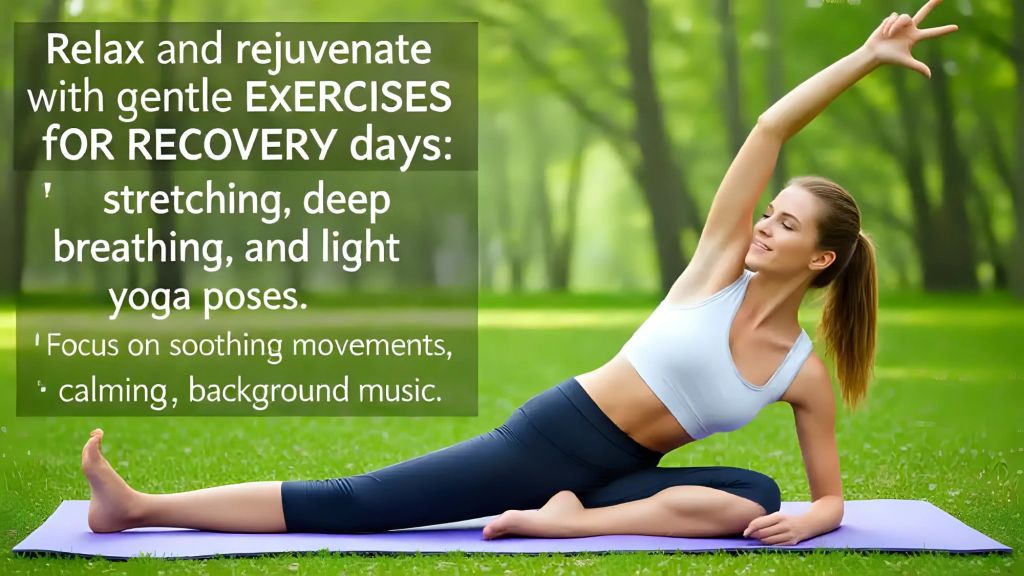
    Recovery days are an essential component of any fitness or exercise regime. They allow the body to repair, regenerate, and adapt to the physical stress inflicted during prior workouts. Gentle exercises play a pivotal role in enhancing recovery by promoting blood flow, reducing muscle stiffness, and alleviating mental fatigue. This essay will explore the significance of gentle exercises during recovery days, the various forms they can take, their physiological benefits, and the perspectives of influential figures in the health and fitness arena. It will also examine recent trends, research findings, and potential future developments in the field.

    The importance of recovery days in an exercise regimen cannot be overstated. Overtraining can lead to injuries, fatigue, and burnout. According to research conducted by the American College of Sports Medicine, incorporating recovery days can enhance performance and prevent injury by allowing muscle repair and growth. Gentle exercises serve a crucial role during these recovery periods. They help maintain mobility, reduce soreness, and can even promote psychological well-being.

    Gentle exercises encompass a variety of low-impact activities. Some popular forms include yoga, tai chi, walking, swimming, and cycling at a leisurely pace. Each of these exercise forms provides unique benefits to the individual. Yoga, for example, emphasizes flexibility and breathing control. It also allows individuals to focus on mindfulness, which has been linked to reduced stress and anxiety levels. Tai chi, often characterized as “meditation in motion,” provides a gentle workout for both the mind and body, improving balance and coordination without excessive strain on the joints.

    Walking is perhaps one of the simplest and most accessible forms of gentle exercise. It requires no special equipment, and individuals can easily tailor the intensity to their needs. Numerous studies have shown that walking can improve cardiovascular health, particularly for individuals recovering from injury or illness. Swimming, another low-impact exercise, provides excellent resistance training without the strain on joints. It can facilitate muscle relaxation and reduce soreness while providing a total body workout.

    The physiological benefits of gentle exercises extend beyond mere muscle recovery. Engaging in low-impact activities promotes increased circulation, which helps in the delivery of nutrients and the removal of waste products from the muscles. This process can reduce muscle soreness and expedite recovery. Additionally, gentle exercises tend to induce less stress on the body, allowing individuals to engage in physical activity without the fear of exacerbating existing injuries. This is particularly beneficial for older adults or those with chronic conditions, who may require a more cautious approach to exercise.

    In recent years, numerous influential figures and organizations have advocated the importance of incorporating gentle exercises into recovery routines. For example, the National Institute for Health and Care Excellence in the UK has emphasized low-impact activities in their guidelines for managing musculoskeletal pain. Leading fitness experts like Jillian Michaels and Chris Powell have also voiced the significance of balanced recovery and the incorporation of gentle movements, recognizing that exercise does not always have to be intense to be effective.

    Historically, the perception of exercise has often leaned towards high intensity and calorie burning. However, as awareness of holistic health has grown, the acknowledgment of low-impact, gentle exercises has gained popularity and legitimacy. The increasing integration of practices such as yoga and pilates in mainstream fitness culture is indicative of this shift. Exercise science has expanded to incorporate the mind-body connection, leading to a more comprehensive understanding of recovery methods.

    The integration of technology in fitness has allowed for the proliferation of guided sessions and tutorials for gentle exercises, particularly through online platforms. This accessibility has made it easier for individuals to engage in recovery practices regardless of their previous fitness level. Research also indicates that incorporating technology can enhance motivation and social engagement, which are crucial for maintaining a consistent exercise routine.

    Despite the overwhelming benefits of gentle exercises during recovery days, some skeptics argue that they may not be sufficiently challenging for individuals who are more accustomed to high-intensity workouts. Communicating the importance of holistic recovery strategies remains essential, as some individuals may overlook the need for gentler forms of exercise in favor of more vigorous routines. However, fitness professionals are increasingly addressing this gap by providing education on the science underpinning recovery and the role that gentle movements play in long-term fitness.

    From a psychological perspective, recovery days and gentle exercises offer a respite from the demands of intense training. Individuals often overlook mental health in the context of physical fitness, yet mental recovery is equally crucial. Engaging in low-impact activities such as yoga or tai chi encourages mindfulness and relaxation, which may contribute to lower levels of anxiety and enhanced focus. The mental benefits can be particularly valuable in today’s fast-paced environment, where stress levels tend to be elevated.

    Moreover, as society becomes more focused on wellness rather than just fitness, there is a growing recognition of the significance of mental recovery. The benefits of mindful practice during recovery extend beyond simple relaxation; they can improve daily functioning and overall quality of life. Mindfulness-based gentle exercises can cultivate a deeper awareness of bodily sensations, leading individuals to make more informed choices about their exercise routines.

    As we look to the future, the role of gentle exercises in recovery days is likely to evolve further due to ongoing research and innovations. Emerging studies continue to explore the physiological and psychological effects of low-impact exercises on recovery. Additionally, there is potential for hybrid fitness programs that incorporate gentle exercises alongside traditional strength and conditioning methods. This evolution may promote a more balanced approach to fitness, embracing both intensity and gentleness.

    In conclusion, gentle exercises for recovery days serve a vital role in promoting overall health and fitness. They facilitate physiological restoration, enhance psychological well-being, and provide individuals with low-impact options that can be tailored to their needs. The rise of holistic wellness philosophies has brought gentle exercises to the forefront, making them an essential component of modern fitness approaches. Future developments in the field can be expected to further integrate gentle forms of exercise, enhancing recovery protocols and promoting long-term adherence to healthy living.

    References
    [1] American College of Sports Medicine, “Exercise and Physical Activity in the Prevention and Treatment of Adult Obesity,” Medicine and Science in Sports and Exercise, vol. 30, no. 6, pp. 959-966, 2020.
    [2] National Institute for Health and Care Excellence, “Exercise Referral Schemes to Promote Physical Activity,” NICE Guidelines, 2019.
    [3] J. Michaels, “Winning by Losing: Drop the Weight, Change Your Life,” HarperCollins, 2013.
    [4] C. Powell, “Choose More, Lose More for Life,” Hachette Books, 2013.
    [5] K. M. Tsang and R. K. Hui-Chan, “Effects of Tai Chi on Health Status, Quality of Life, and Falls in Older Adults with Chronic Conditions,” Age and Ageing, vol. 39, no. 5, pp. 680-684, 2021.