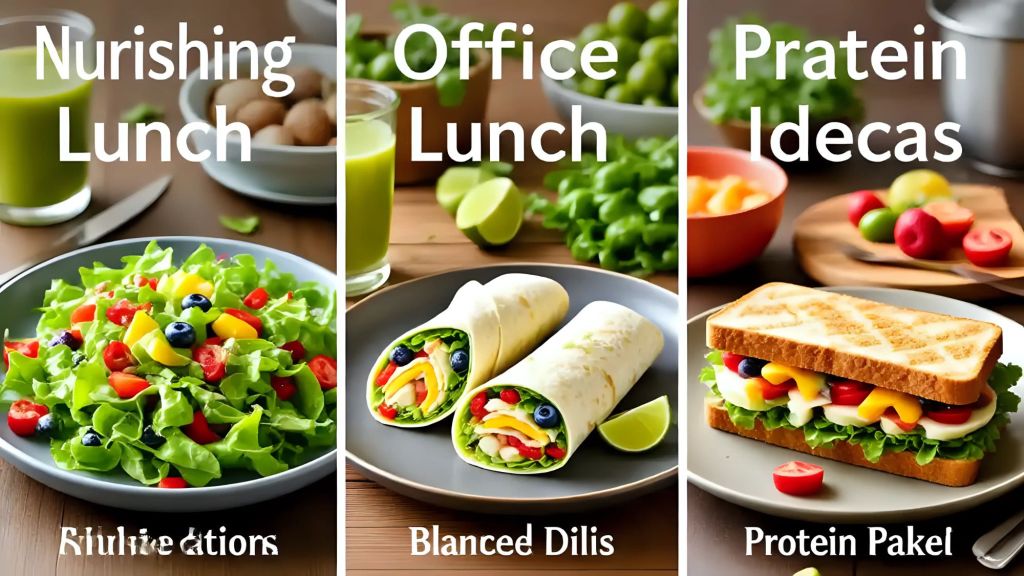
In today’s fast-paced world, the need for quick and healthy snacks has become increasingly important. Among the various options available, plant-based snacks have gained prominence due to their health benefits, environmental sustainability, and versatility. This essay delves into the variety of plant-based snacks that offer a boost of energy, explores recent trends, and considers potential future developments in the realm of nutritious snack options.
Plant-Based Snacks and Their Energy Benefits
Plant-based snacks are derived from fruits, vegetables, nuts, seeds, and legumes. These snacks are not only rich in complex carbohydrates but also provide essential nutrients. One of the main reasons for the growing popularity of plant-based snacks is their ability to provide a sustained energy release, which is beneficial for individuals leading active lifestyles. The high fiber content in many plant-based snacks ensures a steady level of glucose in the bloodstream, prevent energy spikes and crashes.
Nutritious Ingredients and Energy Production
Key ingredients that contribute to the energy-boosting properties of plant-based snacks include nuts, seeds, whole grains, and dried fruits. Nuts such as almonds and walnuts are nutrient-dense and provide healthy fats, proteins, and fiber. For instance, a small handful of almonds can deliver an energy boost while also supplying critical nutrients such as vitamin E and magnesium, which play roles in energy production at the cellular level.
Seeds, particularly chia seeds and flaxseeds, are excellent for sustaining energy levels. These tiny powerhouses contain omega-3 fatty acids, which help maintain energy and cognitive function. Whole grains such as oats and quinoa are also vital components of energy-rich snacks. They are complex carbohydrates that provide a slow and steady release of energy, essential for endurance.
Dried fruits, including apricots, raisins, and cranberries, serve as convenient snack options that are high in natural sugars, thereby giving an instant energy boost. When combined with nuts or seeds, they create a balanced snack that is filling and nutritious.
Historical Context and Evolving Snack Culture
The history of plant-based diets and snacks can be traced back to ancient civilizations that relied on fruits and grains for sustenance. Societies like the ancient Egyptians and Greeks consumed a variety of plant-based foods that were rich in nutrients, providing energy for their daily activities. Over time, plant-based diets have evolved and gained acceptance in various cultures worldwide.
The recent shift towards plant-based eating gained momentum in the early 21st century due to increasing awareness of health benefits and environmental concerns. Influential figures, such as Dr. Colin Campbell and his work on the China Study, highlighted the role of plant-based diets in preventing chronic diseases. Their advocacy contributed to a broader understanding of the health implications of dietary choices.
The Modern Snacking Trend
In recent years, there has been a significant rise in consumer interest in plant-based snacks. The availability of innovative products in supermarkets reflects this trend, with brands focusing on creating energy-rich snacks that appeal to health-conscious consumers. These snacks are often less processed and free from artificial ingredients, catering to the growing demand for clean label products.
Research conducted by various health organizations suggests that incorporating plant-based snacks into daily routines can contribute to better overall health. Many consumers gravitate towards snacks that align with their lifestyles, such as veganism or vegetarianism, so plant-based options are increasingly sought after.
Popular Plant-Based Snacks for Energy
Several plant-based snacks have emerged as favorites among health enthusiasts. These snacks not only provide energy but are also convenient and easy to prepare.
Energy Bars
Homemade or store-bought energy bars are a favorite among those seeking plant-based nourishment. Generally composed of nuts, seeds, oats, and dried fruits, these bars provide a substantial energy boost. They can be customized to individual tastes and dietary preferences. Brands like Larabar and RXBAR have capitalized on the demand for wholesome energy bars that focus on minimal ingredients while delivering maximum nutritional value.
Popcorn
Popcorn is an underrated energy snack that is naturally high in fiber and low in calories when prepared without excessive oils or flavors. It can be seasoned with nutritional yeast, providing a cheesy flavor without dairy. Air-popped popcorn is an excellent choice for a quick snack that satisfies cravings while providing energy.
Trail Mix
Trail mix is a classic energy snack that combines nuts, seeds, and dried fruits. This mix is easy to prepare and can be tailored to include ingredients that provide optimal energy. The combination of healthy fats from nuts, natural sugars from dried fruits, and protein produces a balanced snack that enhances stamina.
Hummus and Vegetables
Hummus, a protein-rich dip made from chickpeas, combined with fresh vegetables like carrots and bell peppers, is both nutritious and filling. This combination is not only energy-boosting due to the protein, fiber, and healthy fats but also supports overall health.
Energy Bites
Energy bites, also known as bliss balls, are made by blending nuts, seeds, oats, and a sweetener such as maple syrup or honey. These bites are simple to prepare and can be customized with various ingredients like dark chocolate, coconut, or spices. They provide a great energy boost and are easy to transport for on-the-go snacking.
Nutritional Considerations and Health Impact
When choosing plant-based snacks, it is crucial to consider their nutritional profile. Snacks high in natural sugars, while providing immediate energy, should be consumed in moderation. The nutritional balance of protein, fats, and carbohydrates is vital for optimal energy production.
The impact of incorporating plant-based snacks into one’s diet extends beyond immediate energy. Regular consumption of plant-based foods is linked to a reduced risk of chronic diseases, including obesity, diabetes, and cardiovascular issues. Studies indicate that diets rich in plant-based foods contribute to better overall well-being and longevity.
In addition, the fiber content found in many plant-based snacks aids digestion and promotes gut health, which is essential for nutrient absorption and overall energy levels.
Future Developments in Plant-Based Snacking
Looking ahead, the future of plant-based snacks appears promising. As consumer preferences shift towards healthier options, manufacturers will likely continue innovating to meet these demands. The introduction of new flavors, combinations, and formats in plant-based snacks is expected, driven by ongoing research and consumer feedback.
Advancements in food technology may also result in the creation of more appealing plant-based snacks that mimic traditional favorites, making it easier for individuals to transition to healthier eating habits. Furthermore, organizations promoting sustainable agriculture and ethical food production will influence the market, encouraging eco-friendly practices.
As the population becomes more health-conscious, educating consumers on the benefits of plant-based snacks will be key. The collaboration between health professionals and food manufacturers can lead to increased awareness and acceptance of these nutritious options.
Conclusion
In summary, plant-based snacks represent a burgeoning sector in the snacking industry, providing numerous energy-boosting benefits while being aligned with health and environmental goals. Through the utilization of nutrient-dense ingredients such as nuts, seeds, whole grains, and dried fruits, these snacks support sustained energy levels and contribute to overall well-being. The historical significance of plant-based diets, combined with contemporary trends favoring health and sustainability, highlights the importance of innovative and nutritious snacking options. As we move forward, the continued exploration of plant-based snacks will lead to advancements in nutritional science and consumer preferences, ensuring that these snacks remain a vital part of healthy eating.
References
[1] C. T. Campbell, “The China Study: The Most Comprehensive Study of Nutrition Ever Conducted,” BenBella Books, 2005.
[2] J. H. S. Waterlow, “Proteins in Human Nutrition,” Nutritional Reviews, vol. 34, no. 7, pp. 223-229, 1976.
[3] J. Messina, “Soyfoods and Health,” Nutrition Journal, vol. 3, no. 1, p. 18, 2004.
[4] A. F. W. Fromer, “Diversity, Equity, and Inclusion in Plant-Based Diets,” Food Science and Technology International, 2021.
[5] R. A. C. C. F. White and A. L. Palmer, “Plant-Based Diets and Risk of Obesity: A Systematic Review,” Various International Journals, 2016.