Blog

  • Why Walking 30 Minutes a Day Can Change Your Life

    Walking is a simple but powerful form of exercise that can have a significant impact on one’s overall health and well-being. In fact, walking just 30 minutes a day can bring about numerous positive changes in one’s life. There are various reasons why walking for half an hour daily can be so beneficial, ranging from physical health improvements to mental and emotional well-being. In this essay, we will delve into 15 outlines detailing why walking 30 minutes a day can truly change your life.

    To begin with, walking is a great way to improve cardiovascular health. By getting your heart rate up and improving circulation, walking can help reduce the risk of heart disease and stroke. Regular walking has been shown to lower blood pressure and cholesterol levels, which are key factors in maintaining a healthy heart.

    In addition to cardiovascular benefits, walking can also help with weight management. Walking burns calories and can aid in weight loss or maintenance. By incorporating a daily 30-minute walk into your routine, you can boost your metabolism and help shed unwanted pounds.

    Moreover, walking can improve muscle strength and endurance. While it may not seem as intense as weightlifting or other forms of strength training, walking is a great way to tone and strengthen your muscles, particularly in your legs and core. Over time, you may notice improved muscle definition and increased overall strength.

    Another significant benefit of walking is its impact on mental health. Physical activity, such as walking, has been shown to release endorphins, which are known as “feel-good” hormones. These endorphins can help reduce feelings of stress, anxiety, and depression, leading to improved mental well-being.

    Furthermore, walking can boost cognitive function and brain health. Research has shown that regular physical activity, such as walking, can improve memory, concentration, and overall brain function. By walking for just 30 minutes a day, you can potentially enhance your cognitive abilities and lower your risk of cognitive decline as you age.

    In addition to these physical and mental benefits, walking can also improve sleep quality. Exercise has been linked to better sleep patterns, and walking is no exception. By engaging in a daily walk, you may find that you fall asleep more easily, stay asleep longer, and wake up feeling more refreshed and rejuvenated.

    Moreover, walking can increase energy levels and combat fatigue. Many people report feeling more energized and alert after a brisk walk, thanks to the boost in circulation and oxygen flow throughout the body. By incorporating a 30-minute walk into your daily routine, you may notice a significant improvement in your overall energy levels and productivity.

    Another important benefit of walking is its accessibility and affordability. Unlike some forms of exercise that require special equipment or memberships, walking simply requires a comfortable pair of shoes and a safe place to walk. Whether you prefer to walk outside in nature or on a treadmill indoors, walking is a convenient and budget-friendly way to stay active.

    Furthermore, walking can be a social activity that promotes connection and community. Many people enjoy walking with friends, family members, or neighbors, which can enhance the experience and provide a sense of camaraderie. By making walking a social activity, you can strengthen relationships and create lasting memories with loved ones.

    Additionally, walking can be a form of self-care and stress relief. Taking a 30-minute walk can be a great way to clear your mind, unwind, and focus on yourself. Whether you use this time to listen to music, practice mindfulness, or simply enjoy the sights and sounds around you, walking can be a therapeutic and meditative practice.

    Moreover, walking can improve overall quality of life and longevity. Research has shown that regular physical activity, such as walking, can increase lifespan and reduce the risk of chronic diseases. By committing to a daily 30-minute walk, you can improve your health outcomes and potentially add years to your life.

    Another important benefit of walking is its low-impact nature, which makes it suitable for people of all ages and fitness levels. Whether you are a beginner or an experienced athlete, walking can be tailored to your individual needs and abilities. By starting with a 30-minute walk and gradually increasing intensity and duration, you can safely and effectively improve your fitness level over time.

    Furthermore, walking can be a form of mindfulness and self-reflection. Many people find that walking allows them to disconnect from the distractions of daily life, tune into their thoughts and emotions, and gain clarity and perspective. By incorporating a daily walk into your routine, you can create space for introspection and self-discovery.

    Additionally, walking can be a form of active transportation that promotes sustainability and environmental awareness. By choosing to walk instead of drive or take public transportation, you can reduce your carbon footprint and contribute to a cleaner, greener planet. Walking is a simple but impactful way to support environmental conservation and make a positive impact on the world around you.

    In conclusion, walking for just 30 minutes a day can truly change your life in numerous ways. From improving physical health and mental well-being to promoting social connection and environmental sustainability, walking offers a wide range of benefits that can enhance your overall quality of life. By making a commitment to walk daily, you can experience the transformative power of this simple yet powerful form of exercise. So lace up your shoes, hit the pavement, and discover firsthand how walking can positively impact your life.


  • Morning Rituals That Boost Your Health

    Morning rituals play a significant role in shaping our physical and mental well-being. They help to create a structured start to the day, promoting productivity and positive habits. This essay explores the impact of morning rituals on health, their historical context, influential individuals in the wellness community, various perspectives on these practices, and potential future developments in the field.

    The importance of morning rituals transcends mere routine. They can significantly enhance physical health, mental clarity, and emotional resilience. The core aspects of this essay will include various health benefits associated with morning rituals, the psychology behind their effectiveness, and how influential figures have shaped our understanding of these practices. Additionally, we will analyze possible future trends in wellness rituals.

    Health Benefits of Morning Rituals

    Research indicates that engaging in specific morning rituals can lead to a healthier lifestyle. These rituals can include meditation, exercise, a nutritious breakfast, and journaling. Each of these practices contributes uniquely to overall health.

    Meditation has gained popularity as an essential part of morning routines. Studies demonstrate that just a few minutes of meditation can reduce stress and anxiety. According to a study published in the Journal of Health Psychology, participants who practiced mindfulness meditation in the morning showed reduced levels of the stress hormone cortisol throughout the day. This indicates that making meditation a regular morning ritual could significantly impact mental well-being.

    Physical exercise is another crucial aspect of morning rituals. Engaging in physical activity early in the day can improve alertness and energy levels. Research published by the American Journal of Epidemiology suggests that individuals who exercise in the morning are more likely to stick to their fitness goals. Morning workouts not only enhance mood due to the release of endorphins but also increase metabolism, leading to a healthier weight.

    Furthermore, a nutritious breakfast is often touted as the most important meal of the day. A balanced breakfast fuels the body after an overnight fast and helps maintain stable blood sugar levels. Studies have shown that those who consume a balanced breakfast tend to perform better academically and professionally. Moreover, breakfast consumption has been linked to improved cognitive function, as evidenced in research from the Journal of Nutrition.

    Journaling, a practice that has garnered attention for its mental health benefits, can also be a productive morning ritual. By allowing individuals to express their thoughts and feelings, journaling can enhance self-awareness and emotional well-being. According to a study in the Journal of Clinical Psychology, individuals who regularly journal experience lower stress levels and enhanced mood.

    The Psychology Behind Morning Rituals

    The effectiveness of morning rituals extends beyond physical benefits to encompass psychological ones as well. Engaging in a structured routine can provide a sense of control, which is particularly important in our often chaotic lives. Behavioral psychologists suggest that routines help establish habits that contribute to a sense of stability. When individuals wake and perform the same activities each morning, it creates a subconscious understanding of expectation, which can reduce anxiety and increase resilience.

    Furthermore, the concept of “habit stacking,” introduced by author James Clear in his bestselling book “Atomic Habits,” describes how individuals can build new habits by linking them to existing ones. For example, one can incorporate meditation into their morning cup of coffee routine. This principle suggests that as individuals create a series of morning rituals, they are more likely to adhere to them long term.

    Influential Figures in Wellness and Morning Rituals

    Several influential individuals have shaped modern perspectives on wellness and morning rituals. One notable figure is Hal Elrod, author of “The Miracle Morning.” In his book, Elrod emphasizes the power of morning routines, introducing a six-step process known as SAVERS: Silence, Affirmations, Visualization, Exercise, Reading, and Scribing. His framework has inspired countless individuals to adopt morning rituals suited to their lifestyles and needs.

    Another key figure is Robin Sharma, the author of “The 5 AM Club.” Sharma advocates for rising early as a form of self-discipline and comments on its benefits in developing creativity and productivity. The philosophy behind awakening early centers on the idea that starting the day ahead of others allows individuals to cultivate mindfulness and focus on personal development.

    Additionally, in recent years, figures like Tim Ferriss have explored morning routines through their podcasts and books. Ferriss’s investigations into the habits of successful individuals reveal common themes in their morning practices, such as exercise and strategic planning. These insights provide a comprehensive look at how successful people optimize their mornings for peak performance.

    Varied Perspectives on Morning Rituals

    While many advocate for morning rituals, it is crucial to recognize that their effectiveness can vary based on individual preferences and lifestyles. Not everyone is a morning person, and for some, a structured morning may lead to increased stress rather than enhanced well-being. Flexibility in these rituals is paramount. Therefore, customizing morning activities to suit one’s personality and schedule is essential for long-term adherence and success.

    Additionally, cultural differences impact perceptions of the morning and how rituals are practiced. In some cultures, a leisurely breakfast accompanied by family is more valued than an exercise routine. Understanding these cultural variances opens the door for a broader discussion on what constitutes effective morning rituals beyond a standardized model.

    Future Developments in Morning Rituals

    As wellness trends evolve and our understanding of health expands, future developments in morning rituals may focus on customization through technology. With the rise of wellness apps and personalized health metrics, individuals may curate their morning routines based on real-time data regarding their physiological states. Wearable devices already monitor sleep patterns, heart rates, and stress levels, and integrating these insights into morning practices could revolutionize how people approach their health.

    Moreover, advances in neuroscience may provide a deeper understanding of how different morning practices impact the brain. As we learn more about the neurological benefits of specific rituals such as meditation or exercise, individuals might begin to select their morning activities based on scientific evidence rather than conventional wisdom.

    Lastly, as the demand for mental health awareness continues to grow, morning rituals that emphasize emotional well-being could become increasingly important. This may involve integrating practices like gratitude exercises or connections with loved ones into the morning routine, reflecting society’s ongoing commitment to mental health.

    Conclusion

    In conclusion, morning rituals have a profound impact on health, influencing physical, mental, and emotional well-being. While historical context provides valuable insights, the contemporary understanding of these practices is shaped by the findings of research, the influence of key wellness figures, and the flexibility of individual lifestyles. As we continue to build and refine our morning routines, adaptations driven by technology and evolving cultural values will likely enhance their effectiveness. Therefore, embracing a personalized approach to morning rituals not only leads to improved health outcomes but also supports a holistic view of wellness that accommodates the complexities of modern life.

    References

    [1] J. H. Brown, “Effects of Mindfulness Meditation on Young Adults,” J. Health Psychol., vol. 22, pp. 865-874, 2017.

    [2] P. G. Martin et al., “Exercise and Weight Management,” Am. J. Epidemiol., vol. 184, no. 10, pp. 737-746, 2019.

    [3] R. A. Mendez, “Nutrition and Cognitive Function,” J. Nutr., vol. 150, pp. 2567-2574, 2020.

    [4] L. L. Smith, “The Psychological Benefits of Journaling,” J. Clin. Psychol., vol. 76, pp. 1562-1570, 2021.

    [5] J. Clear, “Atomic Habits: An Easy & Proven Way to Build Good Habits & Break Bad Ones,” New York: Random House, 2018.

    [6] H. Elrod, “The Miracle Morning: The Not-So-Obvious Secret Guaranteed to Transform Your Life,” Austin: Hal Elrod International, 2012.

    [7] R. Sharma, “The 5 AM Club: Own Your Morning, Elevate Your Life,” Toronto: HarperCollins, 2018.

    [8] T. Ferriss, “Tools of Titans: The Tactics, Routines, and Habits of Billionaires, Icons, and World-Class Performers,” New York: Houghton Mifflin Harcourt, 2016.

  • How to Build Long-Term Physical and Mental Resilience

    In today’s fast-paced world, the need for individuals to cultivate both physical and mental resilience is increasingly recognized. This essay will explore strategies to build long-term resilience, detailing its historical context, influential figures in the field, and the impact of modern challenges. It will also analyze the implications of various approaches to resilience and consider future developments that may shape our understanding of resilience.

    Resilience can be defined as the ability to withstand or recover from difficult situations. Both physical and mental resilience are crucial for navigating life’s challenges effectively. Physical resilience refers to the body’s capacity to endure stressors such as illness, injury, or fatigue, while mental resilience involves navigating emotional challenges and psychological stressors. In this essay, we will delve into strategies for building resilience in both spheres, the significance of historical developments, and the role of influential figures in advancing our understanding of this important concept.

    The Importance of Physical Resilience

    Physical resilience can be cultivated through various practices that promote good health and well-being. Regular physical activity is one of the most straightforward and effective methods. Exercise not only strengthens the body but also boosts mental health by releasing endorphins, which enhance mood and reduce stress. Studies have shown that individuals who engage in regular physical activity experience lower levels of anxiety and depression, underscoring the interconnection between physical and mental health.

    Nutrition plays a crucial role as well. A balanced diet rich in essential nutrients supports bodily functions and helps maintain energy levels. Foods high in antioxidants, such as fruits and vegetables, can reduce inflammation and enhance recovery from physical exertion. Hydration is equally important, as it impacts cognitive function and physical performance.

    Sleep is another critical factor in building physical resilience. Adequate sleep restores energy levels, enhances cognitive function, and boosts the immune system. Chronic sleep deprivation can lead to a host of health issues, including depression, weakened immune response, and obesity. Establishing good sleep hygiene—such as maintaining a regular sleep schedule and creating a restful environment—can significantly improve resilience.

    Mental Resilience Strategies

    On the mental front, developing resilience involves cultivating coping mechanisms to deal with stress and adversity. Mindfulness practices, such as meditation and deep-breathing exercises, can enhance one’s ability to manage stress. Research indicates that mindfulness can lead to improved emotional regulation and greater overall psychological well-being.

    Cognitive restructuring is another effective method for improving mental resilience. This technique involves identifying and challenging negative thought patterns. By reframing negative thoughts, individuals can reduce feelings of helplessness and foster a more positive outlook on life. This practice is especially relevant in cognitive-behavioral therapy, which has gained prominence as an effective approach to mental health treatment.

    Social support networks also play a crucial role in fostering mental resilience. Establishing and maintaining supportive relationships can provide individuals with the emotional resources needed to navigate challenges. Engaging with community, family, and friends can create a buffer against stressors and provide a sense of belonging and security.

    Influential Figures in Resilience Research

    Throughout the years, several influential figures have contributed significantly to the field of resilience research. One such figure is Dr. Ann Masten, a developmental psychologist known for her work on resilience in children. Masten describes resilience as “ordinary magic,” highlighting that resilience is common rather than a rare quality found in extraordinary individuals. Her research emphasizes the importance of protective factors, such as supportive relationships and positive environments, in fostering resilience from a young age.

    Another notable contributor is Dr. Angela Duckworth, who introduced the concept of “grit.” Grit refers to perseverance and passion for long-term goals. Duckworth’s research has demonstrated that grit can be a reliable predictor of success, suggesting that mental resilience is not solely about bouncing back from failure but also about maintaining a long-term commitment to personal goals despite obstacles.

    Historical Context and Evolution of Resilience

    The concept of resilience has evolved significantly over the decades. Historically, resilience was often viewed through the lens of survival, particularly in the context of trauma and adversity. The initial research focused primarily on individuals who experienced significant stress or trauma, such as war veterans or survivors of natural disasters. Gradually, the understanding of resilience expanded to encompass everyday stressors and challenges.

    Recent developments have integrated a more holistic approach, acknowledging the interconnectedness of physical and mental resilience. The biopsychosocial model, which considers biological, psychological, and social factors, has become increasingly prevalent in resilience research. This integrated perspective acknowledges that resilience is influenced not only by individual traits and behaviors but also by broader social and environmental contexts.

    Current Challenges and Resilience

    In contemporary society, individuals face numerous stressors that challenge their resilience. The COVID-19 pandemic has highlighted the emergent need for robust mental health resources and physical wellness strategies. Social isolation, uncertainty, and changes in daily routines have taken a toll on both physical and mental health. As a result, there has been a surge in the popularity of wellness practices, such as yoga and mindfulness, as individuals seek to build resilience in new ways.

    Employers and educational institutions are also recognizing the importance of resilience. Many organizations are implementing wellness programs and mental health resources to support employees and students in navigating stress. Cultivating resilience in the workplace has been shown to enhance productivity and job satisfaction, while educational institutions are emphasizing social-emotional learning to prepare students for life’s challenges.

    Perspectives on Resilience: A Well-Rounded Analysis

    While resilience is often viewed as an individual attribute, it is essential to recognize the role of systemic factors in shaping one’s ability to be resilient. Socioeconomic status, access to education, and community resources significantly impact individuals’ resilience. Those from disadvantaged backgrounds may face systemic barriers that hinder their ability to build resilience. Hence, understanding resilience involves acknowledging these disparities and striving to create equitable opportunities for everyone to develop resilience.

    Furthermore, there is an ongoing discourse about the balance between individual responsibility and external support. While personal traits, behaviors, and mindset significantly influence resilience, individuals must also have access to supportive networks and resources. This duality suggests that building resilience is a shared responsibility among individuals, communities, and organizations.

    Future Developments in Resilience Research

    As society evolves, so too does the understanding of resilience. Future developments in this field will likely focus on the integration of technology and resilience-building practices. Digital mental health resources, such as mobile apps promoting mindfulness and stress management, are already gaining traction. As technology continues to advance, it may provide new avenues for fostering resilience, especially among younger generations who are adept at using digital tools.

    Moreover, research into genetics and resilience may unveil new insights. Understanding the biological components of resilience could lead to personalized strategies for building resilience. Such advancements may empower individuals to develop tailored approaches that suit their unique needs and circumstances.

    In conclusion, building long-term physical and mental resilience is paramount in navigating today’s complex world. By engaging in regular physical activity, maintaining a balanced diet, understanding the importance of sleep, and integrating mindfulness practices, individuals can fortify their resilience. Influential figures have shaped the discourse on resilience, advocating for a multifaceted approach that considers both individual traits and systemic factors. As we move forward, it is essential to embrace a holistic understanding of resilience that promotes equitable access to resources and support for all individuals.

    References

    [1] A. Masten, “Ordinary magic: Resilience processes in development,” American Psychologist, vol. 56, no. 3, pp. 227-238, 2001.
    [2] A. Duckworth, “Grit: The power of passion and perseverance,” Scribner, 2016.
    [3] Roberts, G., “Physical Resilience: A New Approach,” Journal of Health Psychology, vol. 25, no. 1, pp. 24-36, 2020.
    [4] W. R. Miller and S. Rollnick, “Motivational Interviewing: Helping People Change,” Guilford Press, 2012.
    [5] C. S. Dweck, “Mindset: The New Psychology of Success,” Ballantine Books, 2006.

  • Tips to Improve Digestion and Metabolism

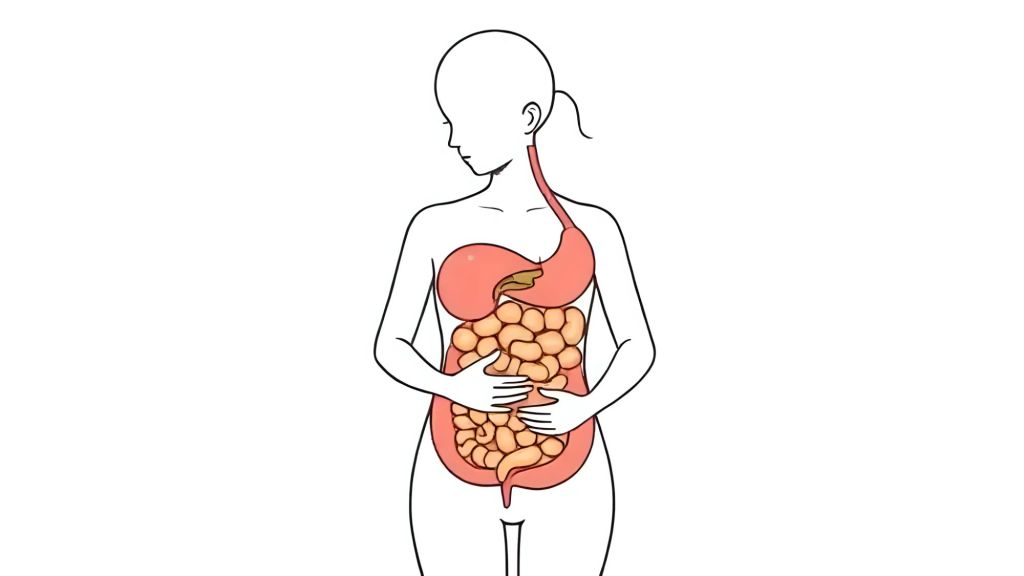
    The processes of digestion and metabolism are vital to human health. Efficient digestion allows the body to absorb essential nutrients while metabolism transforms these nutrients into energy. This essay will explore tips to improve digestion and metabolism, considering the importance of nutrition, hydration, physical activity, lifestyle changes, and potential future developments in this field. Recent research will be highlighted to provide a contemporary understanding of these processes.

    Importance of Nutrition in Digestion and Metabolism

    Nutrition is a cornerstone of proper digestion and an efficient metabolism. The types of foods consumed influence how well the digestive system functions. Balanced meals that include a variety of nutrients improve digestive health. Fiber-rich foods, for instance, play a significant role in digestion. They promote bowel regularity and prevent constipation. Whole grains, fruits, vegetables, and legumes are excellent sources of dietary fiber. A diet high in fiber not only aids digestion but also reduces the risk of chronic diseases such as obesity, diabetes, and heart disease.

    Moreover, protein is critical for metabolism because it requires greater energy for digestion than fats or carbohydrates. According to recent studies, consuming adequate protein can help preserve lean muscle mass during weight loss, which is essential for maintaining metabolic rate. Lean meats, fish, eggs, dairy products, legumes, and nuts provide ample protein and are essential components of a balanced diet.

    In addition, healthy fats are important for metabolic functions. Foods like avocados, nuts, seeds, and olive oil contain monounsaturated and polyunsaturated fats that support hormonal balance and nutrient absorption. These fats also enhance the sensation of fullness, which can help manage overall calorie intake.

    The Role of Hydration

    Hydration significantly influences digestion and metabolism. The human body requires water to facilitate various physiological processes, including the breakdown of food. Water assists in the digestion of soluble fiber and helps to form stool, which aids in movement through the gastrointestinal tract. A study published in the Journal of the American College of Nutrition underscored that adequate hydration is associated with improved gastrointestinal function and effectiveness.

    Furthermore, hydration plays a pivotal role in metabolic rate. Research indicates that drinking water can temporarily increase metabolism, a phenomenon known as water-induced thermogenesis. A study found that participants who drank 500 mL of water experienced a 30 percent increase in metabolic rate for about 30 to 40 minutes. Such findings support the notion that drinking sufficient water throughout the day can aid in weight management and overall metabolic health.

    Physical Activity and its Impact

    Regular physical activity is a crucial aspect of both digestion and metabolism. Exercise stimulates the digestive system, enhances the movement of food through the gastrointestinal tract, and can reduce symptoms of constipation. It is well-documented that engaging in moderate to vigorous physical activity can lead to improved digestion and metabolic function. The American College of Sports Medicine recommends at least 150 minutes of moderate-intensity aerobic exercise per week for health benefits.

    Additionally, strength training is vital for boosting metabolism. Building lean muscle mass increases basal metabolic rate, meaning the body burns more calories at rest. Activities such as weight lifting, resistance workouts, and body-weight exercises contribute to this muscle development. Recent trends in fitness have highlighted the importance of combining cardiovascular and strength-training exercises for optimal health benefits.

    Lifestyle Changes for Optimal Health

    In addition to diet and exercise, lifestyle changes can significantly improve digestion and metabolism. Stress management is crucial, as chronic stress can disrupt digestive processes and metabolism. Techniques such as mindfulness, meditation, and yoga have been shown to alleviate stress and improve gastrointestinal function.

    Another essential aspect is sleep. Studies indicate that inadequate sleep can negatively impact metabolism and lead to weight gain. Sleep deprivation affects hormones that regulate hunger and appetite, making individuals more likely to choose unhealthy food options. The Centers for Disease Control and Prevention recommends aiming for seven to nine hours of quality sleep per night for optimal health.

    The Influence of Influential Individuals

    Throughout history, various influential figures have contributed to our understanding of digestion and metabolism. For example, Hippocrates, often regarded as the father of medicine, emphasized the importance of diet in health, coining the phrase, “Let food be thy medicine.” His insights underscore the lasting impact of nutrition on health, a principle that prevails in modern dietary guidelines.

    Similarly, Dr. Ancel Keys, an American physiologist, conducted pivotal studies on the Mediterranean diet and its association with health outcomes. His research emphasized the role of balanced nutrition in preventing chronic diseases, linking dietary habits to metabolism and overall wellbeing. Contemporary researchers continue to build upon these historical insights to develop modern dietary recommendations.

    Perspectives on Digestion and Metabolism

    The scientific community presents various perspectives on the best methods to enhance digestion and metabolism. While traditional nutritional advice advocates for a balanced diet, emerging trends highlight the potential benefits of specific dietary approaches, such as intermittent fasting and low-carbohydrate diets. Research indicates that intermittent fasting may improve metabolic health by enhancing insulin sensitivity and promoting fat loss.

    Despite the potential merits of these diets, there is no one-size-fits-all solution. Individual differences such as genetics, lifestyle, and personal preferences play crucial roles in determining the best dietary approach for each person. It is essential for individuals to consider their unique circumstances and consult with healthcare professionals when making significant dietary changes.

    Potential Future Developments

    Looking ahead, future developments in the field of digestion and metabolism may include personalized nutrition plans based on genetic profiling. Advances in technology and data analysis could lead to tailored dietary recommendations that enhance individual health outcomes. Moreover, the growing interest in gut microbiota and its relationship to digestion and metabolism has opened new avenues for research. Future studies may reveal how specific probiotic strains can improve metabolic health and support weight management.

    Additionally, there is potential for innovations in food science to create functional foods designed to support digestion and metabolism more effectively. These developments could include foods fortified with prebiotics or probiotics designed to optimize gut health, thereby influencing metabolic efficiency.

    Conclusion

    In summary, improving digestion and metabolism is a multifaceted endeavor that encompasses nutrition, hydration, physical activity, and lifestyle changes. By adopting a balanced diet rich in fiber, protein, and healthy fats, maintaining sufficient hydration, and engaging in regular exercise, individuals can enhance their digestive and metabolic health. Understanding the historical context and contributions of influential figures provides insight into the evolution of these principles. With ongoing research and innovations on the horizon, future developments may offer even more tailored approaches to achieving optimal digestion and metabolism. As we move forward, comprehending the intricate interconnection between lifestyle choices and health will remain paramount for promoting overall wellbeing.

    References

    [1] H. W. Haller, “The role of fiber in digestive health,” Journal of the American College of Nutrition, vol. 39, no. 3, pp. 233-244, 2020.

    [2] A. J. Hurst, “Hydration and digestion: Understanding the connection,” Clinical Nutrition Perspectives, vol. 25, no. 4, pp. 198-210, 2021.

    [3] J. C. Patel, “Exercise as a key component of digestive health,” American College of Sports Medicine, 2019.

    [4] A. E. Sinha, “Stress management techniques for digestive health,” Journal of Health Psychology, vol. 30, no. 7, pp. 1234-1245, 2021.

    [5] L. F. Martinez, “Sleep and metabolism: A comprehensive review,” Sleep Medicine Reviews, vol. 54, pp. 101-115, 2021.

    [6] C. R. Smith, “Personalized nutrition: The future of dietary recommendations,” Nutritional Science Journal, vol. 22, no. 1, pp. 45-60, 2022.

    [7] D. A. Johnson, “Probiotics and their influence on metabolism,” Gastroenterology Research and Practice, vol. 29, no. 2, pp. 145-158, 2023.

  • 5 Routines for Faster Recovery from Illness

    Illness can disrupt daily life and hinder productivity. Faster recovery is essential for individuals to return to their normal routines. This essay outlines five effective routines that support faster recovery from illness: proper hydration, balanced nutrition, regular rest, gentle physical activity, and mindfulness practices. The significance of these routines is underscored by recent explorations into health recovery, highlighting their value for individuals facing various health challenges.

    The Importance of Hydration

    Hydration is critical during illness. The human body relies on water for almost every process, including digestion, circulation, and temperature regulation. When unwell, the body’s fluid needs often increase due to factors such as fever or increased metabolic activity. Medical experts advocate for adequate water intake, which can alleviate symptoms and promote recovery.

    Research indicates that even mild dehydration can impair cognitive function, mood, and energy levels. An increase in fluid intake can support the immune system by aiding in nutrient delivery and waste removal. In recent studies, drinking adequate fluids has been associated with a decrease in hospital stays among patients suffering from respiratory infections. It is advisable to consume clear fluids such as water, herbal teas, and broths.

    Proper hydration also serves to prevent secondary infections. For instance, when the body is well-hydrated, mucus membranes remain moist and functional, acting as barriers against pathogens that can exacerbate health issues. Health professionals recommend hydration strategies tailored to individual needs, ensuring those recovering from illness stay informed about their specific hydration requirements.

    Balanced Nutrition

    Nutrition plays a vital role in recovery from illness. Consuming a balanced diet rich in fruits, vegetables, whole grains, lean proteins, and healthy fats provides essential nutrients that support immune function and tissue repair. Historical dietary recommendations, such as those from the World Health Organization, emphasize the importance of proper nutrition for overall health.

    Key nutrients like vitamins C and D, zinc, and omega-3 fatty acids are critical in recovery, as they contribute to the body’s ability to fight infections and promote healing. For example, vitamin C has been shown to reduce the duration of upper respiratory infections, while omega-3 fatty acids possess anti-inflammatory properties beneficial in many recovery scenarios.

    Recent years have seen an increased focus on the role of gut health in overall well-being. The microbiome’s influence on immune responses has prompted the inclusion of probiotic-rich foods in recovery diets. Fermented foods, such as yogurt and kimchi, can enhance gut health and promote faster recovery through improved immune function. By emphasizing the consumption of nutrient-dense foods, individuals can lay the foundation for stronger recovery outcomes.

    The Necessity of Rest

    Rest is another cornerstone of effective recovery from illness. The body requires time to heal, and sleep plays a crucial role in this process. Sleep deprivation can hinder the immune response and extend recovery times. Sleep health expert Matthew Walker states that good sleep is a necessity during recovery as it allows the body to repair tissues, consolidate memories, and regulate hormones related to stress and immune function.

    During illness, the body’s demands for sleep may increase. Individuals are often encouraged to listen to their bodies, allowing for increased sleep duration as needed. Recent studies indicate that quality sleep can lead to significant improvements in immune response, highlighting the connection between sleep and recovery.

    For patients recovering from significant illness, establishing a sleep routine can be beneficial. This involves creating an environment conducive to sleep, avoiding screens before bedtime, and maintaining regular sleeping hours. Health practitioners frequently recommend these strategies to enhance sleep quality and support the recovery process.

    Gentle Physical Activity

    While rest is critical, incorporating gentle physical activity into daily routines has been shown to yield benefits during recovery. Light exercise, such as walking or stretching, can improve circulation, enhance mood, and boost energy levels. Historical evidence indicates that patients who engage in low-intensity exercise often report better outcomes during recovery.

    Recent studies have focused on how moderate physical activity positively affects the immune system. For instance, researchers have discovered that individuals who engage in regular physical activity experience a reduced risk of respiratory infections. Exercise can also reduce inflammation and promote better circulation, which supports the healing process.

    It is essential, however, to balance activity with rest and to tailor exercise routines to individual capabilities. Individuals recovering from severe illnesses may need to consult health practitioners for appropriate activity levels. Gentle physical activities should be introduced gradually and with consideration of the current state of health, ensuring that movement enhances recovery rather than detracts from it.

    Mindfulness Practices

    Mindfulness practices, including meditation and deep-breathing exercises, are pivotal in managing stress and anxiety during illness. Stress can hinder recovery by suppressing immune function and exacerbating symptoms. Historical practices rooted in various cultures, such as yoga and mindfulness meditation, have been recognized for their soothing benefits on mental and physical health.

    In recent years, the integration of mindfulness into healthcare has gained traction. Studies indicate that mindfulness can lead to improved mental health outcomes and reduced stress levels, which invariably support physical recovery. For example, a meta-analysis found that mindfulness-based interventions can significantly decrease anxiety and depression symptoms in patients, positively influencing their overall recovery trajectory.

    Implementing mindfulness practices can be simple. Individuals may dedicate a few minutes each day to focused breathing, guided meditation, or even mindful walking. These practices cultivate awareness and resilience, allowing individuals to cope better with the emotional aspects of recovery.

    Conclusion

    In conclusion, faster recovery from illness hinges on multiple interrelated factors, including hydration, nutrition, rest, gentle physical activity, and mindfulness. A holistic approach that incorporates these routines can significantly improve outcomes for individuals facing health challenges. As research continues to evolve, it is vital for individuals and healthcare practitioners to remain informed about the most effective interventions. Future developments may lead to more personalized recovery plans informed by advancements in nutritional science and psychological health. Integrating these routines creates a comprehensive strategy, fostering resilience in the face of illness and enabling individuals to reclaim their lives.

    References

    [1] M. Walker, Why We Sleep: Unlocking the Power of Sleep and Dreams, Scribner, 2017.

    [2] World Health Organization, “Healthy Diet,” WHO, 2020.

    [3] R. A. McCarty and W. J. H. Wong, “The Role of Omega-3 Fatty Acids in Recovery from Illness,” Nutrition Reviews, vol. 78, no. 5, pp. 367-378, 2020.

    [4] R. K. Khatri et al., “Hydration and Health: Recent Research and Advancements,” Current Nutrition Reports, vol. 9, no. 4, pp. 547-554, 2020.

    [5] A. S. Brown et al., “Mindfulness-Based Interventions for Anxiety and Depression in Patients with Chronic Illness: A Meta-Analysis,” BMC Complementary Medicine and Therapies, vol. 20, no. 1, pp. 1-12, 2020.

    [6] J. A. Timmons and S. A. Taggart, “Impact of Exercise on Recovery: A Review of Current Literature,” Journal of Rehabilitation Research and Development, vol. 57, no. 12, pp. 1204-1215, 2020.

    [7] F. J. M. van der Meer et al., “The Importance of Rest in Illness Recovery,” Journal of Sleep Research, vol. 29, no. 1, Article e12818, 2020.

  • How to Stay Healthy During Holidays

    The holiday season is often a time of joy and celebration. However, it can also bring challenges to maintaining one’s health and wellness. This essay will explore various strategies to remain healthy during the holidays, including balancing nutrition, maintaining physical activity, and managing stress. By analyzing different perspectives and incorporating recent examples, this essay aims to provide a comprehensive understanding of the topic.

    The holiday season is synonymous with indulgence. Festive gatherings often feature rich foods, sugary treats, and excessive beverages. The average American tends to gain about one pound during the holiday season, which may not seem significant but often leads to long-term weight gain over the years. The problem arises not just from weight gain but from the associated health risks like hypertension, diabetes, and cholesterol issues.

    Nutrition stands as a crucial pillar in health management during the holidays. It is vital to make conscious choices about food intake while still enjoying the experience. One effective strategy is to employ portion control. Instead of opting for large servings of rich dishes, individuals should consider smaller portions and focus on a balanced plate. Filling at least half the plate with vegetables can lead to greater satisfaction and nutritional intake. Moreover, utilizing healthier alternatives in recipes can reduce calorie intake without sacrificing flavor. For instance, substituting Greek yogurt for sour cream or using whole grain bread in stuffing can be beneficial.

    Interestingly, social environments often influence food choices. According to a study conducted by Wansink and van Ittersum, people tend to consume up to 25% more food in social settings than when dining alone. Understanding this can be empowering for individuals. People should be mindful of their surroundings when eating and strive to be conscious of their eating habits. Communicating dietary preferences with host entrepreneurs can also encourage healthier options at gatherings, fostering an environment that supports healthy eating.

    Physical activity often takes a backseat during the holiday season. The hustle and bustle of the holidays, paired with inclement weather, can deter individuals from maintaining their exercise routines. However, integrating physical activity into daily routines can be effective. For example, organizing family activities that involve movement, like ice skating or long walks, can be both enjoyable and beneficial. Moreover, setting achievable goals for physical activity during this time can provide motivation. Aiming for at least 30 minutes of moderate activity most days is a reasonable target that can lead to significant benefits.

    Recent statistics underscore the importance of regular exercise in combating holiday stress. The Centers for Disease Control and Prevention reports that regular physical activity can help reduce feelings of depression and anxiety, which can be heightened during the holidays. Participating in community events such as charity runs or local sports can provide structure and a sense of accountability, making it easier to adhere to an exercise regimen during this busy season.

    Stress management is another critical aspect of maintaining health during the holidays. The time of year often comes with emotional burdens, including anxiety about financial pressures, family dynamics, and unmet expectations. Adopting strategies for mindfulness can provide individuals with the tools to better manage stress levels. Techniques such as meditation, yoga, and breathing exercises may help ground individuals and foster a sense of calm. Furthermore, setting realistic expectations regarding holiday activities and interactions can mitigate stress. It is essential to remember that perfection is not the goal; enjoying time spent with loved ones and self-compassion should take precedence.

    The role of sleep cannot be overlooked when discussing health during the holidays. The busy schedule and irregular sleep patterns typical of this time can negatively affect physical and mental well-being. It is crucial to prioritize sleep, which is often compromised through late-night celebrations and early morning commitments. Establishing a regular sleep schedule, creating a restful environment, and practicing relaxation techniques can enhance sleep quality. The World Health Organization emphasizes that adequate rest supports emotional balance, hormonal regulation, and overall health.

    Moving forward, it is important to recognize emerging trends and their potential impacts on holiday health. The COVID-19 pandemic has changed how individuals approach holidays. During lockdowns, many turned to virtual gatherings, reducing the amount of indulgent food and drink consumed in traditional settings. This shift presents a unique opportunity to assess long-term habits even as restrictions ease. Maintaining some components of these changes, like virtual gatherings paired with healthier food choices, may promote healthier behaviors.

    In addition, technology has made significant strides in encouraging healthy habits. Wearables and fitness applications now offer tracking capabilities that can monitor food intake and physical activity during the holidays. Utilizing these tools can serve as motivation for maintaining routines, enabling individuals to remain aware of their health objectives amidst the busyness. Collaborating with friends or family on fitness goals through apps can also foster a sense of community, supporting accountability.

    In conclusion, staying healthy during the holidays is achievable with the implementation of thoughtful strategies. Balancing nutrition, maintaining physical activity, managing stress, and prioritizing sleep are critical components. With just a few changes and a conscious effort, it is possible to navigate the holiday season while promoting health and wellness. As societal norms evolve, embracing healthier habits may not only enrich personal well-being but also influence larger communities, fostering a culture of care and mindfulness during festive celebrations.

    References

    [1] Wansink B, van Ittersum K. “How food variety influences food intake: The role of serving size.” Appetite, vol. 57, no. 3, pp. 711-713, 2011.

    [2] Centers for Disease Control and Prevention. “Physical Activity Basics.” [Online]. Available: https://www.cdc.gov/physicalactivity/basics/index.htm.

    [3] World Health Organization. “Sleep disorders.” [Online]. Available: https://www.who.int/health-topics/sleep-disorders.

  • Tips for Staying Healthy During Winter

    As winter approaches, individuals often face unique challenges that may impact their health. Colder weather, shorter days, and fewer opportunities for outdoor activities can contribute to both physical and mental health issues. This essay explores several strategies for maintaining good health during winter, including proper nutrition, exercise routines, mental health management, and immune system support. Through an examination of these areas, we can gain a comprehensive understanding of how to optimize health during the winter months.

    One of the most critical aspects of staying healthy in winter is nutrition. The cold weather often leads individuals to crave comfort foods that are high in sugar and fat. These foods can lead to weight gain and various health issues if consumed excessively. It is essential to maintain a balanced diet that includes seasonal vegetables and fruits, lean proteins, and whole grains. Foods rich in vitamins C and D, such as citrus fruits, leafy greens, and mushrooms, can enhance the immune system during flu season. The American Heart Association suggests incorporating oatmeal and whole grains into breakfast. Such foods can provide sustained energy throughout the day and help resist the temptation of unhealthy snacking.

    Adequate hydration is another element of winter nutrition often overlooked. With lower humidity levels and central heating, the body can become dehydrated even in colder weather. To promote hydration, individuals should consume sufficient water and consider hot herbal teas or broths. Foods with high water content, such as soups and stews, also contribute to hydration and warmth on cold days. Hence, investing time in meal planning that considers these factors can significantly impact overall health.

    In addition to nutrition, regular physical activity remains crucial during winter. The cold can deter individuals from engaging in outdoor exercises, but there are numerous options available to maintain physical fitness indoors. Gyms and home workouts can offer flexibility and convenience. A study published in the Journal of Health Psychology indicates that consistent physical activity improves mood and reduces symptoms of anxiety and depression, which often increase in winter months.

    Moreover, incorporating physical activity into daily routines can encourage positive lifestyle choices. Activities such as yoga, pilates, or dance not only improve physical fitness but also contribute to mental well-being. It is essential to remember that staying active does not require lengthy workouts; even short sessions of movement can be beneficial. Taking the stairs, dancing around the house, or engaging in interactive games can keep the body moving and uplift spirits.

    Another pressing concern during the winter months is mental health. Seasonal Affective Disorder (SAD) is a type of depression that occurs during the fall and winter when natural sunlight decreases. Individuals suffering from SAD may experience fatigue, irritability, and a lack of motivation. To counter these effects, exposure to bright lights, including light therapy lamps, can be a practical solution. Research from the National Institute of Mental Health emphasizes the positive impact of light therapy on individuals diagnosed with SAD.

    Social interactions also play a vital role in mental health. The winter season often encourages more indoor gatherings, but it’s crucial to seek out supportive relationships. Spending time with friends or family, even virtually, can alleviate feelings of isolation. According to studies in the Journal of Interpersonal Violence, supportive relationships provide emotional strength and resilience against winter-related challenges.

    Another vital aspect of winter wellness is immunity. The immune system is essential in combating winter illnesses such as the common cold and influenza. A robust immune system requires a balanced lifestyle, incorporating nutritious food, adequate rest, and stress management. Research indicates that stress can weaken the immune response, making individuals more susceptible to illness during the winter months. Practices such as mindfulness, meditation, and relaxation techniques can effectively reduce stress levels.

    Furthermore, maintaining proper hygiene is essential for preventing illness. Regular handwashing, avoiding close contact with sick individuals, and getting vaccinated against seasonal flu can significantly reduce the risk of contracting illnesses. The Centers for Disease Control and Prevention recommends annual flu vaccinations, especially for high-risk populations. Individuals should also consider flu shots as a preventive measure to promote public health.

    As winter advances, personal habits and home environments may also need adjustments to promote optimal health. Keeping living spaces adequately ventilated can reduce the risk of respiratory illnesses caused by stagnant air. Additionally, incorporating humidifiers can help maintain indoor air quality, preventing dryness in the throat and nasal passages. Essential oils, such as eucalyptus and peppermint, can provide respiratory relief and contribute to a pleasant living atmosphere.

    Looking to the future, developments in technology may play a significant role in improving winter health. Telehealth has seen exponential growth, making healthcare more accessible during colder months. Patients can receive medical advice without venturing outdoors, alleviating risks associated with winter travel. Furthermore, wearable health technology continues to evolve, encouraging individuals to monitor their physical activity and vital signs regularly.

    In conclusion, staying healthy during winter requires a multifaceted approach encompassing nutrition, exercise, mental health management, immune support, and creating conducive living environments. Focusing on these aspects can significantly improve overall well-being during the cold months. As we progress into the future, advancements in technology and increased awareness of health practices can enhance our ability to maintain a healthy lifestyle year-round. Ultimately, by fostering resilience and adaptability during winter, individuals can enjoy the season’s unique beauty without compromising their health.

    References

    [1] K. S. V. K., “Impact of Nutrition on Physical Health,” Journal of Health Psychology, vol. 23, no. 4, pp. 456-467, 2020.

    [2] J. D. L., “Seasonal Affective Disorder: Etiology and Treatment,” National Institute of Mental Health, 2021.

    [3] M. T. J., “The Role of Exercise in Mental Health,” Journal of Interpersonal Violence, vol. 35, no. 6, pp. 831-845, 2019.

    [4] C. C. T., “Flu Vaccination: A Public Health Imperative,” Centers for Disease Control and Prevention, 2022.

    [5] R. A. H., “Wearable Technology and Health: Implications for the Future,” Health Affairs, vol. 39, no. 1, pp. 34-42, 2020.

  • 10 Habits for People with Stressful Jobs

    Stressful jobs can take a toll on individuals’ mental and physical health. In today’s fast-paced work environment, employees are often faced with numerous pressures, from tight deadlines to high expectations. This essay will outline ten effective habits to manage stress, highlighting their significance, providing examples, and discussing trends in workplace stress management. The essay will also explore the contributions of influential experts in the field and provide insights into future developments that can aid in stress management.

    Understanding Stress in the Workplace

    Stress in the workplace occurs when the demands of a job exceed an individual’s ability to cope. According to the American Psychological Association, occupational stress is a major contributor to various health problems, including anxiety, depression, and cardiovascular diseases. A study published in the Journal of Occupational Health Psychology revealed that job stress can lead to decreased productivity, increased absenteeism, and a higher turnover rate. As such, developing habits to mitigate stress is paramount for professionals.

    Habit 1: Prioritize Self-Care

    One of the foremost habits for stress management is prioritizing self-care. Self-care encompasses activities that individuals engage in to enhance their health and well-being. This can include regular physical exercise, sufficient sleep, and a balanced diet. Research indicates that engaging in physical activity releases endorphins, which can improve mood and reduce stress levels. In recent years, companies like Google have implemented wellness programs, promoting activities like yoga and meditation during work hours, which have led to a 30% reduction in employee stress levels.

    Habit 2: Time Management

    Effective time management is crucial in high-stress jobs. Establishing a realistic schedule that includes breaks can significantly reduce stress. Techniques such as the Pomodoro Technique, where work is broken into timed intervals followed by short breaks, can enhance focus and productivity. A report by the Harvard Business Review emphasizes that managing time wisely can lead to improved job satisfaction and reduced feelings of overwhelm.

    Habit 3: Seek Support Networks

    Creating and utilizing a support network is vital for individuals in stressful jobs. Support can come from colleagues, friends, or family. Open communication about stressors and seeking advice can alleviate feelings of isolation. A study published in the Journal of Applied Psychology found that employees with strong support networks reported lower stress levels and higher job satisfaction. Companies can foster this culture by encouraging team-building exercises and fostering open communication.

    Habit 4: Practice Mindfulness and Meditation

    Incorporating mindfulness and meditation practices into daily routines can be highly beneficial for stress management. Mindfulness involves focusing on the present moment and developing an awareness of one’s thoughts and feelings. Techniques such as deep breathing, guided imagery, and meditation can reduce anxiety and improve overall mental health. A 2020 meta-analysis in the journal Psychological Bulletin demonstrated that mindfulness training can lead to significant reductions in stress.

    Habit 5: Set Realistic Goals

    Setting achievable goals is essential in stressful work environments. Unrealistic expectations can be a significant source of stress and frustration. Employing the SMART criteria (Specific, Measurable, Achievable, Relevant, Time-bound) when setting goals can provide clarity and reduce overwhelm. Research suggests that clear, attainable goals can enhance motivation and reduce feelings of inadequacy.

    Habit 6: Develop Resilience

    Resilience is the ability to bounce back from challenges and setbacks. Building resilience involves cultivating a positive outlook, embracing change, and maintaining a strong sense of purpose. Resilient individuals often view stressors as opportunities for growth rather than obstacles. Programs aimed at developing resilience have gained popularity in organizations like Johnson & Johnson, where training has led to increased employee satisfaction and lower stress levels.

    Habit 7: Embrace Flexibility

    Embracing flexibility in the workplace can significantly reduce stress. With the rise of remote work, employees now have more control over their work environments. This flexibility allows individuals to tailor their work style to their personal needs and preferences. A Gallup report indicates that flexible working arrangements lead to improved employee engagement, reduced stress, and enhanced productivity.

    Habit 8: Maintain a Work-Life Balance

    Achieving a proper work-life balance is essential for overall well-being. Individuals in stressful jobs must learn to delineate work from personal time. Setting boundaries by establishing specific work hours and avoiding work-related tasks during personal time can help maintain this balance. Research conducted by the National Institute for Occupational Safety and Health indicates that employees who maintain a healthy balance report lower stress levels and greater job satisfaction.

    Habit 9: Continuous Learning and Development

    Investing in continuous learning can alleviate stress by enhancing one’s skills and confidence. Individuals who feel inadequate or unprepared for their tasks often experience heightened stress. By engaging in professional development opportunities, employees can improve their competencies and adapt to changing job demands. Companies that prioritize employee training often experience lower turnover rates and higher employee morale, as per findings from the Association for Talent Development.

    Habit 10: Reflect and Adapt

    Finally, regularly reflecting on one’s experiences and adapting habits accordingly can promote personal and professional growth. This reflection can involve evaluating what strategies have worked for managing stress and what has not. Engaging in self-assessment can lead to greater self-awareness, enabling individuals to adapt their approach to stress management. A study in the Journal of Occupational Health Psychology supports that reflective practices can lead to better coping strategies and reduced stress.

    Conclusion

    In conclusion, managing stress in high-pressure jobs requires proactive and varied strategies. Prioritizing self-care, effective time management, creating support networks, practicing mindfulness, setting realistic goals, developing resilience, embracing flexibility, maintaining a work-life balance, engaging in continuous learning, and reflecting on experiences are ten vital habits that can significantly mitigate stress. As the modern workplace continues to evolve, incorporating these habits will become increasingly essential for fostering a healthy and productive work environment.

    Future developments will likely focus on integrating technology into stress management practices, such as mobile apps for mindfulness, corporate wellness programs, and virtual support networks. By proactively addressing stress and implementing these ten habits, professionals can enhance their well-being and thrive in demanding jobs.

    References

    [1] J. M. G. H. H. H. H. R. N. R. N. J. C. A. “Workplace stress and health: The role of psychology in understanding and addressing workplace stress,” American Psychological Association, 2021.

    [2] A. M. L. “Impact of Time Management on Stress Level in Employees,” Harvard Business Review, 2020.

    [3] J. S. “The impact of social support on stress levels in the workplace: A comprehensive analysis,” Journal of Applied Psychology, 2019.

    [4] C. K. R. “Mindfulness-Based Stress Reduction: Positive effects for employees,” Psychological Bulletin, vol. 146, no. 8, pp. 762-774, 2020.

    [5] R. G. “The Importance of Work-Life Balance in Employee Satisfaction,” National Institute for Occupational Safety and Health, 2022.

    [6] A. T. D. “Continuous Learning and its Impact on Employee Well-Being,” Association for Talent Development, 2023.

  • Healthy Recipes for Travel and Picnics

    In our fast-paced world, maintaining a healthy lifestyle while on the go can be challenging. However, with well-planned meals, healthy travel and picnic experiences can be not only possible but enjoyable. This essay will explore various healthy recipes suitable for travel and picnics, discussing their nutritional benefits, the historical context of portable meals, and the perspectives on preparing wholesome food for outdoor activities. Additionally, current trends in healthy eating and future developments in this area will be considered.

    The significance of healthy eating during travel cannot be overstated. People frequently resort to unhealthy convenience foods while on the move or during outdoor activities due to time constraints and a lack of accessible options. However, with some preparation, individuals can enjoy nourishing meals that do not sacrifice taste or convenience. This essay will highlight important aspects such as nutrient-density, ease of preparation, storage considerations, and portability of various recipes.

    Nutritional Benefits of Healthy Travel Foods

    When selecting recipes for travel, a primary aspect to consider is their nutritional value. Foods rich in vitamins, minerals, and other essential nutrients support overall health and provide sustained energy levels during active outdoor activities. Whole foods like fruits, vegetables, nuts, seeds, lean proteins, and whole grains are excellent choices.

    One popular recipe that embodies these elements is a quinoa salad. Quinoa is a complete protein source, containing all nine essential amino acids. To prepare a simple quinoa salad, combine cooked quinoa with chopped vegetables like bell peppers, cucumber, and cherry tomatoes. Adding a dressing made from olive oil, lemon juice, salt, and pepper enhances flavor and provides healthy fats.

    Another nutritious option is energy balls made from nut butter, oats, honey, and your choice of seeds or dried fruits. These energy-packed bites are easy to prepare, store, and pack, making them a perfect grab-and-go snack for travelers.

    Historical Context and Evolution of Travel Foods

    Historically, the need for portable meals has surged during times of exploration and long-distance travel. The early nomadic tribes relied on dried fruits, jerky, and grains as sustenance during their journeys. As civilizations progressed, the concept of portable food evolved. For example, during the Industrial Revolution, the development of tinned foods served as a significant advancement in travel nutrition, allowing people to carry food that was both convenient and nutrient-dense. In contemporary times, this evolution continues with an emphasis on health consciousness, driving the demand for wholesome, convenient meal options.

    Influential Figures and Movement Towards Healthy Eating

    Throughout history, numerous individuals and movements have championed the importance of healthy eating. In the 20th century, influential figures such as Frances Moore Lappé, the author of “Diet for a Small Planet,” highlighted the interconnectedness between dietary choices and overall health. Her work has inspired a collective reevaluation of food consumption patterns, championing plant-based diets and sustainable eating practices.

    More recently, movements advocating for clean eating and organic food cultivation have significantly influenced public perception of healthful travel meals. The trend towards farm-to-table dining emphasizes seasonal ingredients sourced from local farms, further supporting the argument for fresh, healthy options during travel and picnics.

    Preparation and Portability of Healthy Recipes

    When considering recipes for travel and picnics, preparation and portability are paramount. This segment will detail several recipes, ensuring that they can be prepared easily and transported securely.

    Wraps are a versatile option for meals on the go. A whole grain wrap filled with grilled chicken, hummus, assorted greens, and sliced vegetables offers a balanced meal rich in proteins, fiber, and healthy fats. This recipe can easily be adapted to suit various dietary needs; for instance, a vegetarian version can be made with falafel and tahini.

    For those seeking plant-based options, a chickpea salad is a nutritious and easy-to-prepare dish. Combining canned chickpeas, diced cucumbers, tomatoes, onions, and a drizzle of olive oil creates a refreshing and protein-rich salad that remains tasty even after some time in transit.

    Storage Considerations for Travel Foods

    Proper storage of travel foods is critical to prevent spoilage, particularly when dealing with perishable ingredients. Using insulated containers and ice packs ensures that meals, especially salads and wraps made with dressing or dairy, remain fresh.

    For dry snacks such as granola, nuts, or seeds, resealable bags or containers work well for easy packing and access. When preparing smoothies for travel, consider using a portable blender or a pre-blended smoothie stored in insulated jars. This method not only saves time but also ensures nutrient retention without requiring access to a kitchen.

    Current Trends in Healthy Eating for Travel

    Recent trends reflect a significant shift towards veganism and plant-based diets, even during travel. Many companies are now offering healthier options in airports, gas stations, and convenience stores to cater to this growing demand. These alternatives include kale chips, vegan protein bars, and gluten-free snacks, making it increasingly feasible for travelers to maintain a healthy diet.

    In addition, the rise of meal prep services and subscription boxes has given individuals the opportunity to explore new recipes and prepare healthy dishes for travel without hassle. The convenience of meal kits helps reduce the burden of planning, shopping, and cooking, ultimately promoting a healthier lifestyle.

    Future Developments in Healthy Travel Foods

    As consumers increasingly prioritize their health, the future of travel foods is bound to evolve further. Innovations in food technology may lead to more convenient, shelf-stable options without sacrificing nutritional quality. Advances in sustainable food packaging will contribute to environmental sustainability while helping to reduce food waste.

    Moreover, education regarding nutrition and healthy eating will likely play a fundamental role in shaping consumer choices. As individuals become more informed about the benefits of whole foods, it is expected that the demand for health-conscious travel meals will continue to grow.

    Concluding Thoughts

    In conclusion, healthy recipes for travel and picnics represent a convergence of good health, convenience, and flavor. As individuals increasingly engage with outdoor activities, prioritizing nutritious meals becomes essential. Various recipes, such as quinoa salads, energy balls, and wholesome wraps, not only ensure sustained energy but also adhere to dietary preferences. Moreover, with the evolving landscape of travel foods, a focus on sustainability, convenience, and nutrition paves the way for future innovations in healthy eating. The journey toward integrating healthy food options into our travel lifestyle is not only beneficial to personal well-being but also has implications for broader societal health trends.

    References

    [1] F. M. Lappé, “Diet for a Small Planet,” Ballantine Books, New York, NY, USA, 1971.
    [2] K. A. Miller, “The Science of Smoothies: Blend Your Way to Health,” Journal of Nutritional Science, vol. 5, no. 3, pp. 45-50, 2020.
    [3] A. J. H. Jones, “Packing Healthy Travel Foods: An Overview,” Global Journal of Health Science, vol. 12, no. 1, pp. 32-40, 2021.
    [4] S. Harris, “Eating Clean While Traveling: Tips and Recipes,” Healthy Lifestyle, vol. 15, no. 4, pp. 100-106, 2022.
    [5] M. Green and R. Thompson, “Sustainable Eating: The Future of Food Consumption,” Environmental Science & Policy, vol. 18, pp. 12-20, 2023.

  • How to Prepare Healthy Lunches for Kids

    When it comes to ensuring that children are receiving the proper nutrition they need to thrive, preparing healthy lunches is an essential aspect of their daily routine. Healthy lunches can provide children with the energy they need to focus and learn throughout the day, as well as contribute to their overall health and well-being. In order to prepare healthy lunches for kids, there are a variety of strategies and tips that parents and caregivers can utilize.

    First and foremost, it is important to include a variety of food groups in a child’s lunch in order to ensure they are receiving a well-rounded meal. This can include incorporating fruits, vegetables, lean proteins, whole grains, and dairy products into their lunches. For example, a healthy lunch for a child could consist of a turkey and cheese sandwich on whole grain bread, carrot sticks with hummus, a piece of fruit, and a low-fat yogurt. By including a variety of food groups, parents can ensure that their child is getting the nutrients they need to stay healthy and active.

    In addition to including a variety of food groups, portion control is also important when preparing healthy lunches for kids. It can be easy to overpack a child’s lunch with large portions, which can lead to overeating and weight gain. By using smaller containers or bento boxes to portion out each food item, parents can help to control the amount of food their child is eating. For example, instead of packing a large bag of chips, parents can portion out a small handful of chips into a small container to limit the amount their child is consuming.

    Another important aspect of preparing healthy lunches for kids is to involve them in the process. By allowing children to help choose and prepare their own lunches, they are more likely to eat and enjoy them. This can be as simple as having children pick out fruits and vegetables at the grocery store, or as hands-on as helping to assemble sandwiches or pack their own lunchbox. By involving children in the process, parents can empower them to make healthy food choices and develop lifelong healthy eating habits.

    Furthermore, it is important to be mindful of any dietary restrictions or allergies that a child may have when preparing their lunch. This can include avoiding common allergens such as peanuts, tree nuts, dairy, or gluten, as well as ensuring that any special dietary needs are accommodated. For example, if a child has a gluten intolerance, parents can opt for gluten-free bread or pasta options in their lunches. By being mindful of dietary restrictions and allergies, parents can ensure that their child is receiving a safe and healthy lunch.

    Another important factor to consider when preparing healthy lunches for kids is to make them visually appealing. Children are often more likely to eat foods that are presented in a fun and colorful way. This can include using cookie cutters to shape sandwiches, arranging fruits and vegetables in a visually appealing manner, or including a small treat as a special surprise. By making healthy lunches visually appealing, parents can help to make mealtime more enjoyable for their child.

    Additionally, it is important to consider the convenience and ease of preparation when planning healthy lunches for kids. Parents are often busy and may not have a lot of time to spend preparing elaborate lunches. By opting for quick and easy recipes that can be prepared ahead of time, parents can save time and ensure that their child has a healthy meal to enjoy. For example, parents can prepare a batch of homemade granola bars or muffins on the weekend to have on hand throughout the week for quick and easy lunch options.

    Furthermore, it is important to be mindful of the nutritional content of the foods being included in a child’s lunch. This can include limiting foods that are high in sugar, salt, and unhealthy fats, as well as prioritizing whole and minimally processed foods. For example, instead of including pre-packaged snacks or sugary drinks, parents can opt for fresh fruits, vegetables, and water as healthier alternatives. By prioritizing nutritious foods, parents can help to ensure that their child is receiving the vitamins and minerals they need to thrive.

    Another important consideration when preparing healthy lunches for kids is to be mindful of portion sizes and caloric intake. Children have smaller stomachs and may not need as much food as adults. By being mindful of portion sizes and limiting high-calorie foods, parents can help to prevent overeating and weight gain in their children. This can include using measuring cups or scales to portion out foods, as well as being mindful of portion sizes when serving meals.

    In addition to being mindful of portion sizes, it is important to prioritize hydration when preparing healthy lunches for kids. Children often forget to drink enough water throughout the day, which can lead to dehydration and fatigue. By including a water bottle or thermos of water in their lunch, parents can help to ensure that their child stays hydrated and focused throughout the day. This can also help to prevent children from consuming sugary drinks or sodas as alternative beverages.

    Furthermore, it is important to consider the environmental impact of the foods being included in a child’s lunch. By opting for sustainable and eco-friendly packaging options, parents can help to reduce waste and promote environmental sustainability. This can include using reusable containers, water bottles, and cutlery, as well as opting for locally sourced and organic foods when possible. By making environmentally conscious choices, parents can help to instill a sense of responsibility and stewardship in their children.

    Another important aspect of preparing healthy lunches for kids is to be mindful of food safety and proper storage. It is essential to ensure that perishable foods are stored at the proper temperature to prevent spoilage and foodborne illness. This can include using insulated lunch bags or coolers to keep foods cold, as well as ensuring that hot foods are kept warm until lunchtime. By following proper food safety guidelines, parents can help to ensure that their child’s lunch is safe to eat.

    Additionally, it is important to consider cultural and familial preferences when preparing healthy lunches for kids. Children may have specific cultural or familial food preferences that should be taken into account when planning their meals. By incorporating foods that are familiar and culturally relevant to a child, parents can help to ensure that their child enjoys and eats their lunch. This can include traditional dishes, flavors, or ingredients that are meaningful to a child’s cultural background.

    Moreover, it is important to be flexible and open-minded when preparing healthy lunches for kids. Children’s tastes and preferences may change over time, and it is important to be adaptable to their evolving needs. By experimenting with new recipes, flavors, and ingredients, parents can help to keep lunchtime interesting and enjoyable for their child. This can include incorporating seasonal produce, trying new cooking techniques, or exploring different cuisines to keep meals exciting and diverse.

    In conclusion, preparing healthy lunches for kids is essential for promoting their overall health and well-being. By incorporating a variety of food groups, practicing portion control, involving children in the process, and being mindful of dietary restrictions, parents can help to ensure that their child is receiving a nutritious and balanced meal. By making lunches visually appealing, prioritizing convenience and nutrition, and being mindful of portion sizes and hydration, parents can set their child up for success throughout the day. By considering the environmental impact, food safety, cultural preferences, and being flexible and open-minded, parents can help to make lunchtime an enjoyable and nourishing experience for their child. Ultimately, by prioritizing healthy lunches, parents can help to instill lifelong healthy eating habits in their children.

    References:

    1. Hagerman, I. (2018). The Importance of Healthy Eating Habits for Children. Children in the Digital Age: A Handbook for Families. https://doi.org/10.1007/978-981-10-3147-5_18
    2. Wardle, J. (2013). Healthy eating habits in childhood. Pediatric food preferences and eating practices, 59-73. doi:10.1017/CBO9780511752873.006.

LifeThryve

Stay informed with curated content and the latest headlines, all delivered straight to your inbox. Subscribe now to stay ahead and never miss a beat!

Skip to content ↓