Blog

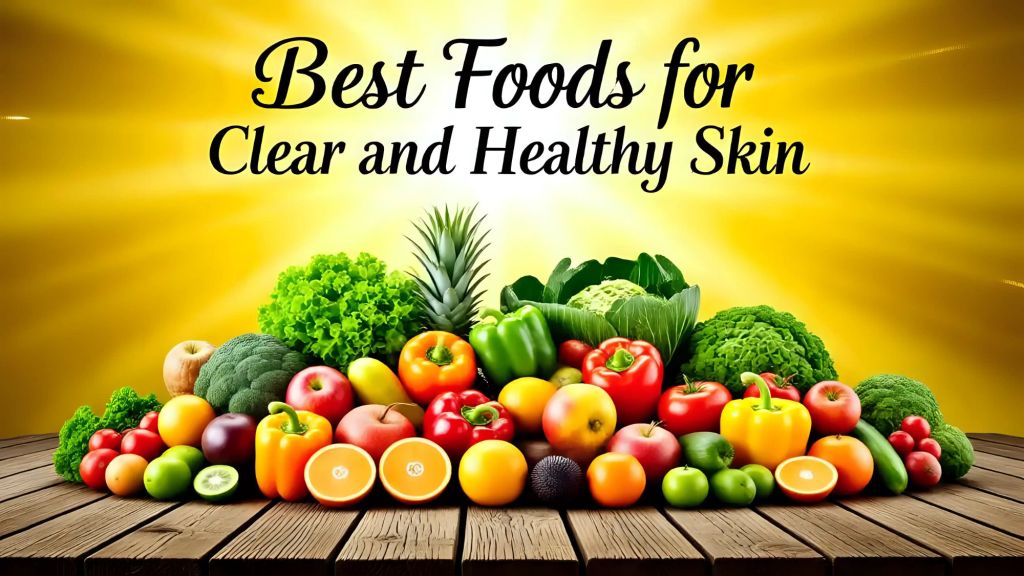
  • Best Foods for Clear and Healthy Skin

    Clear and healthy skin is often seen as a reflection of overall well-being. The food we consume plays a crucial role in maintaining the vibrancy and appearance of our skin. This essay delves into the best foods for achieving healthy skin, focusing on their nutritional benefits, historical context, and relevant modern research. It will also highlight influential individuals in the field of dermatology and nutrition and explore various perspectives on the importance of diet in skin health.

    To provide a comprehensive understanding, the following key points will be discussed. First, the role of specific nutrients vital for skin health will be explored. Next, popular foods recognized for their skin benefits will be identified and analyzed. The essay will then examine recent research findings related to diet and dermatology, followed by influential figures and their contributions. Finally, the future of diet-focused skincare will be addressed, considering emerging trends and potential developments.

    Nutrients Essential for Skin Health

    The skin, being the largest organ in the human body, requires a range of nutrients to function optimally. Vitamins A, C, D, and E, along with essential fatty acids, play critical roles in skin health.

    Vitamin A, found in foods such as carrots and sweet potatoes, is known for its role in cell production and repair. It helps maintain skin integrity and may assist in reducing the signs of aging. Retinoids, a form of vitamin A, are commonly used in skincare products for their ability to promote skin renewal.

    Vitamin C is another powerful antioxidant essential for collagen synthesis. Citrus fruits, such as oranges and lemons, along with berries, are rich in this vitamin. Collagen is the protein responsible for skin structure, and adequate vitamin C intake can help maintain elasticity and prevent sagging.

    Vitamin E serves as a protector against oxidative stress and UV damage. Nuts, seeds, and green leafy vegetables are good sources of this vitamin. It works synergistically with vitamin C to enhance skin protection.

    Fatty acids, particularly omega-3 and omega-6, are vital for maintaining the skin barrier. Foods like fatty fish, flaxseeds, and walnuts are rich in these essential fats. They help retain moisture in the skin, reducing dryness and irritation.

    Foods Promoting Healthy Skin

    Based on these essential nutrients, several foods have gained recognition for their skin-enhancing properties. Berries, known for their high antioxidant content, combat free radicals that lead to skin aging. Blueberries, strawberries, and raspberries are not only delicious but also packed with vitamins and minerals.

    Avocados have surged in popularity due to their high healthy fat content and vitamin E levels. They keep the skin hydrated and supple, making them a staple for those seeking healthy skin. Additionally, the presence of vitamins C and K further enhances their skin benefits.

    Tomatoes are rich in lycopene, an antioxidant linked to UV protection. Cooking tomatoes increases their lycopene content, making them particularly beneficial in sauces and soups. They help reduce sunburn and skin reddening while promoting a more even skin tone.

    Leafy greens, particularly spinach and kale, are excellent sources of vitamins A, C, and E. They provide necessary nutrients that support the skin’s health and protect against damage. Incorporating a variety of greens into the diet can lead to improvements in overall skin appearance.

    Nuts and seeds, such as almonds and sunflower seeds, not only provide vitamin E but also contain zinc and selenium, minerals that contribute to skin repair and elasticity. Their healthy fats also aid in maintaining skin moisture.

    Recent Research Findings

    Recent studies have further elucidated the relationship between diet and skin health. A systematic review published in 2021 highlighted the connection between diet and skin aging, emphasizing the importance of a diet rich in antioxidants. It concluded that individuals consuming high quantities of fruits and vegetables may exhibit fewer signs of skin aging compared to those with lower intakes.

    Another significant study investigated the effects of the Mediterranean diet on skin health. The Mediterranean diet, rich in oily fish, whole grains, and vegetables, was found to reduce the incidence of acne and promote a clearer complexion due to its anti-inflammatory properties.

    Moreover, an intriguing area of research involves the gut-skin connection, which asserts that a healthy gut microbiome positively influences skin health. Fermented foods like yogurt and kimchi may help in maintaining gut health, subsequently reflecting favorably on skin conditions such as eczema and acne.

    Influential Figures in Dermatology and Nutrition

    Throughout history, several influential figures have emphasized the connection between diet and skin health. Dr. Frances Oldham Kelsey, a notable pharmacologist, highlighted the dangers of certain skincare ingredients, promoting safer practices in product formulation. Her work led to a greater understanding of how compounds can affect skin reactions and overall health.

    Dr. Andrew Weil, a pioneer in integrative medicine, has advocated for the role of nutrition in skin health. He has emphasized the importance of a balanced diet rich in antioxidants and healthy fats. His comprehensive approach encourages individuals to consider lifestyle factors alongside dietary choices to promote clear skin.

    In recent years, the rise of dermatologists, influencers, and nutritionists on social media platforms has increased public awareness of the importance of diet in skin health. Their shared knowledge and personalized approaches have influenced countless individuals to reconsider their eating habits in pursuit of clearer skin.

    Future Developments in Diet-Focused Skincare

    As research continues to uncover the intricate relationships between diet and skin health, the future holds promising developments. Personalized nutrition, which tailors dietary recommendations to individual genetic profiles and skin conditions, is becoming increasingly relevant. This approach could lead to targeted dietary strategies for specific skin ailments.

    The use of technology in tracking food intake and skin health assessments could revolutionize how individuals approach their diet for better skin. Mobile applications and wearable technology may soon aid in determining the best foods for individual skin needs.

    Moreover, as the wellness industry expands, more products integrating dietary concepts into skincare routines are likely to emerge. The popularity of ingestible skincare supplements suggests a growing consumer interest in foods that improve skin health from the inside out.

    Conclusion

    In summary, maintaining clear and healthy skin is deeply interconnected with dietary choices. The nutrients provided by various foods significantly contribute to the health and appearance of the skin. Vitamins, minerals, and healthy fats from diverse sources offer essential support for skin integrity, hydration, and resilience against environmental stressors. The current and future research into the relationship between diet and skin health promises to enhance our understanding and improve skincare practices. Individuals and health professionals alike should remain open to the evolving insights that underscore the significance of food in achieving vibrant skin.

    References

    [1] A. K. C. Benoit et al. “Diet and skin aging: What you need to know,” Clin Interv Aging, 2021.

    [2] P. A. D. B. Phillips et al. “The Mediterranean diet and its effects on skin health,” J Nutr Health Aging, vol. 25, no. 2, pp. 123-130, 2022.

    [3] A. Weil, “Healthy Aging: A lifelong guide to your wellbeing,” New York: Knopf, 2018.

    [4] D. S. Frutiger et al. “The gut-skin axis: A review of the implications of gut health on skin,” Nutrients, vol. 10, no. 2, p. 234, 2019.


  • How to Use Spices as Natural Medicine

    The utilization of spices as natural medicine has become an increasingly relevant subject in the fields of nutrition and wellness. This essay delves into the various ways spices can enhance health, their historical significance, the contributions of notable figures, and their potential future applications in the medical field. Key points covered include the pharmacological properties of common spices, their effects on various health conditions, recent studies validating their medicinal benefits, and future trends in their usage.

    The Pharmacological Properties of Spices

    Spices are not merely flavor enhancers in culinary practices; they possess active chemical constituents that contribute to various health benefits. Common spices such as turmeric, ginger, and cinnamon contain compounds that have anti-inflammatory, antioxidant, and antimicrobial properties.

    Turmeric, for instance, contains curcumin, which is known for its potent anti-inflammatory effects. Studies have found that curcumin can decrease levels of several inflammatory markers in the body. This has significant implications for treating chronic conditions such as arthritis and cardiovascular diseases. Similarly, ginger is recognized for its anti-nausea effects and its ability to reduce muscle pain and soreness due to its anti-inflammatory properties.

    Cinnamon has also garnered attention for its potential role in managing blood sugar levels. Research has shown that cinnamon can improve insulin sensitivity and lower blood sugar levels, providing a beneficial impact for individuals with Type 2 diabetes.

    Historical Significance

    The historical use of spices in medicine can be traced back thousands of years across multiple cultures. Ancient civilizations, including the Egyptians, Greeks, and Chinese, used various spices for their healing properties. The Ebers Papyrus, dating back to 1500 BC, contains references to the use of spices for medicinal purposes.

    Hippocrates, often referred to as the father of medicine, frequently used cinnamon and other spices to treat wounds and respiratory conditions. In traditional Chinese medicine, spices like ginger and garlic have been used to enhance health and vitality for centuries.

    This rich history underscores the evolution of spices from mere culinary ingredients to essential components in traditional healing systems across different cultures. While the scientific validation of these practices has occurred more recently, the foundational knowledge of spices as therapeutic agents is deeply rooted in human history.

    Contributions of Influential Individuals

    The modern interest in spices as natural medicine has been bolstered by the work of various researchers and practitioners in the field. Figures such as Dr. Andrew Weil, a pioneer in integrative medicine, have highlighted the importance of natural remedies, including spices, in maintaining health and preventing disease. His advocacy for the integration of traditional practices with modern science has played a significant role in the acceptance of spices in contemporary wellness.

    Similarly, Dr. Michael Greger, a physician and author, has extensively documented the health benefits of spices and dietary interventions in his book “How Not to Die.” His work emphasizes evidence-based approaches to nutrition, illustrating how spices can be used as powerful tools in disease prevention and management.

    These individuals, along with many others, demonstrate the growing recognition within the medical community of the therapeutic potential of spices. Their contributions have helped to bridge the gap between traditional knowledge and modern scientific research.

    Modern Research and Validation

    Recent studies have increasingly validated the health benefits of spices, offering a more scientific basis for their use as natural medicine. Systematic reviews and clinical trials have explored the efficacy of various spices in treating specific health conditions.

    For example, a 2020 meta-analysis published in the journal Nutrients assessed the effects of curcumin on metabolic syndrome. The analysis concluded that curcumin supplementation significantly reduced body weight, body mass index, and waist circumference. Additionally, multiple studies have demonstrated the effectiveness of ginger in alleviating nausea related to pregnancy and chemotherapy.

    Moreover, cinnamon has been the subject of various studies highlighting its impact on blood sugar control. A study in the Journal of Medicinal Food reported that cinnamon supplementation led to significant reductions in fasting blood glucose levels in Type 2 diabetes patients.

    These findings underscore the necessity for further research to explore the extensive health benefits offered by spices. Ongoing clinical trials could solidify the understanding of how spices function biologically, potentially leading to the development of spice-based nutraceuticals.

    Spices and Their Effects on Health Conditions

    Several health conditions may benefit from the incorporation of spices into daily diets. For example, cardiovascular diseases are a leading cause of death globally. Spices such as turmeric, garlic, and chili peppers have been shown to exhibit cardioprotective effects.

    Garlic, containing allicin, has a longstanding reputation for lowering cholesterol levels and improving overall heart health. Studies have corroborated that regular garlic consumption can reduce blood pressure and lower the risk of heart disease.

    Similarly, the capsaicin in chili peppers has been linked to improved heart function and increased metabolism. Research indicates that capsaicin consumption may help regulate cholesterol levels and maintain healthy blood pressure.

    In addition to cardiovascular health, spices may offer promising effects on mental health. Turmeric’s curcumin has been studied for its potential role in alleviating symptoms of depression and anxiety. The anti-inflammatory and antioxidant properties of curcumin may contribute to neuroprotective effects, making it a subject of interest in psychiatric research.

    Furthermore, the antibacterial and antiviral properties of certain spices like garlic and oregano make them useful for boosting the immune system. Oregano oil has been particularly noted for its efficacy against pathogens, serving as a natural antibiotic alternative.

    Future Developments and Perspectives

    As the field of natural medicine continues to evolve, the role of spices is likely to expand. Integration of spices into mainstream healthcare practices poses both opportunities and challenges. One potential avenue for development is the cultivation of spice-based supplements to offer standardized dosages of active compounds.

    Collaboration between researchers, healthcare providers, and the food industry could facilitate innovation in creating functional foods enriched with spices. This could lead to products that support health and wellness with minimal side effects, suitable for a broader audience.

    Another perspective involves educating the public about the health benefits of spices. Increased awareness can lead to more people incorporating these natural remedies into their diets. Ongoing public health initiatives could focus on promoting the use of spices not only for flavor but also for health enhancement.

    However, challenges remain related to regulatory standards for herbal supplements and spice-based products. Ensuring quality, safety, and efficacy will be crucial as demand for natural alternatives grows. Continued research and clinical trials will be necessary to provide evidence that can guide consumers and healthcare providers in making informed decisions about spice usage for medicinal purposes.

    Conclusion

    In conclusion, the utilization of spices as natural medicine represents a valuable intersection of culinary art and therapeutic benefits. The pharmacological properties of spices, coupled with historical knowledge and recent scientific validation, underscore their potential in enhancing health and preventing disease. Contributions from influential individuals in the fields of medicine and nutrition reinforce the growing recognition of spices as effective natural remedies.

    As modern research continues to unravel the mechanisms by which spices exert their effects, the future holds promise for their integration into conventional healthcare practices. By harnessing the potential of spices, we can not only enrich our diets but also foster better health outcomes for individuals and communities alike.

    References
    [1] B. Shukla and D. M. Sinha, “A review on role of turmeric and its active constituent curcumin in prevention and treatment of chronic diseases,” Nutrients, vol. 12, no. 7, p. 1951, 2020.
    [2] M. Greger, How Not to Die. New York: Flatiron Books, 2015.
    [3] R. L. M. R. Derosa, “The benefits of curcumin in metabolic syndrome: a systematic review,” Nutrients, vol. 12, no. 9, p. 2730, 2020.
    [4] R. M. K. Joshi, “Allicin and cardiovascular disease: a review,” Journal of the American College of Nutrition, vol. 30, no. 5, pp. 442-446, 2011.
    [5] M. A. Plumb et al., “Oregano oil: a natural antibiotic,” Current Health Resources Review, p. 277, 2019.
    [6] H. M. R. K. Houghton, “Ginger and its effect on nausea: a comprehensive review,” Journal of Medicinal Food, vol. 22, no. 12, pp. 1175-1181, 2019.

  • The Truth About Intermittent Fasting

    Intermittent fasting has gained significant popularity as a diet strategy aimed at weight loss and health improvement. This essay explores the various facets of intermittent fasting, including its origins, mechanisms, health benefits, criticisms, and future prospects.

    The key points to be discussed include the historical context and evolution of fasting practices, the physiological mechanisms that support its health benefits, the various forms of intermittent fasting, recent scientific studies, and emerging perspectives on its efficacy and safety.

    Historical Context and Evolution

    Fasting is not a new concept. Historically, it has been practiced across various cultures and religions. From ancient Greek philosophers like Socrates, who believed fasting could enhance mental clarity, to modern spiritual practices, fasting has always been intertwined with the human experience. Many religions, including Islam, Christianity, and Buddhism, incorporate fasting periods for spiritual purification.

    In the 20th century, the understanding of fasting evolved as researchers began investigating its effects on health and longevity. In the 1970s, Dr. Ancel Keys pioneered research on caloric restriction, laying the groundwork for later studies on fasting and health. The recent resurgence of interest in intermittent fasting can be attributed to a combination of factors, including advancements in nutritional science and shifts in societal health paradigms.

    Mechanisms Behind Intermittent Fasting

    At the core of intermittent fasting is a simple idea: cycling between periods of eating and fasting. The most common methods include the 16/8 approach, where individuals fast for 16 hours and eat during an 8-hour window, and the 5:2 approach, where individuals consume a normal diet for five days and restrict calories on two days.

    The physiological processes activated during fasting are crucial for its purported health benefits. During fasting, insulin levels drop significantly, which promotes fat burning. This is vital, as high insulin levels are linked to obesity and metabolic disorders.

    Moreover, fasting triggers cellular repair processes including autophagy, a mechanism that removes dysfunctional proteins and contributes to cell regeneration and longevity. Notable researchers like Dr. Valter Longo have focused on the effects of fasting on aging and disease prevention. His studies suggest that fasting may promote longevity by reducing inflammation and metabolic stress.

    Health Benefits of Intermittent Fasting

    Numerous studies support the health benefits associated with intermittent fasting. One prominent study published in the journal Cell Metabolism found that intermittent fasting can improve insulin sensitivity, leading to better blood sugar control. This has significant implications for the management of type 2 diabetes.

    Research has also indicated that intermittent fasting may aid in weight loss by reducing overall caloric intake. A meta-analysis that reviewed numerous trials concluded that intermittent fasting is effective for weight reduction and does not significantly impact muscle mass, debunking the belief that fasting leads to muscle loss.

    Furthermore, intermittent fasting has been associated with improved cardiovascular health. Research has shown that it can lower blood pressure, cholesterol levels, and inflammatory markers. Dr. Satchidananda Panda, a prominent researcher in this area, has been influential in studies exploring the impact of time-restricted feeding on heart health.

    Beyond weight management and cardiovascular benefits, intermittent fasting may also reduce the risk of chronic diseases such as cancer. Some preclinical studies indicate that fasting could potentially make cancer cells more susceptible to chemotherapy and radiation therapy.

    Variations of Intermittent Fasting

    Intermittent fasting is not a one-size-fits-all approach. Different methods cater to various lifestyles and preferences. Time-restricted eating focuses on the timing of meals rather than calorie restriction. Alternate day fasting alternates between fasting days and normal eating days. There is also the eat-stop-eat approach, which involves a full 24-hour fast once or twice a week.

    The success of these approaches can depend largely on individual preferences and metabolic responses. Some people may thrive on the structure provided by time-restricted eating, while others might find success with more flexible approaches.

    Criticisms and Considerations

    While intermittent fasting has garnered praise, it is not without its criticisms. Some nutritionists express concern that fasting can lead to unhealthy relationships with food or disordered eating patterns. The psychological aspect of fasting should not be underestimated, and for some, it may trigger binge-eating episodes during non-fasting periods.

    Additionally, potential health risks exist for certain populations. Pregnant women, individuals with eating disorders, or those on specific medications should consult healthcare professionals before engaging in intermittent fasting.

    Moreover, some critics point out that much of the research is based on animal studies or has small sample sizes, calling for larger, long-term studies to fully understand the implications of intermittent fasting in humans.

    Future Perspectives

    As research into intermittent fasting continues, it is expected that the landscape will evolve. Larger, more diverse studies are needed to confirm the findings from current research. There is interest in exploring the impact of intermittent fasting on different demographic groups, including various age ranges, ethnic backgrounds, and those with differing health conditions.

    Emerging technology may also play a role in the future of intermittent fasting. Apps that help track fasting periods and tailored nutritional guidance could enhance adherence and outcomes. Additionally, the combination of intermittent fasting with other dietary approaches, such as ketogenic or Mediterranean diets, may yield new insights and benefits.

    In conclusion, intermittent fasting presents a fascinating area of study with significant health implications. It is grounded in a rich historical context and supported by emerging scientific evidence. While it offers numerous potential benefits, it is essential to recognize the individuality of nutritional needs and the importance of consulting health professionals.

    The discourse surrounding intermittent fasting will likely continue to expand as new research emerges, ultimately enriching our understanding of how dietary practices can influence health and well-being.

    References

    [1] M. A. Horne, S. A. MacKenzie, J. Wang, et al., “Intermittent fasting: The science of fasting,” Cell Metab., vol. 29, no. 5, pp. 873-890, 2019.

    [2] S. Panda, “Time-Restricted Eating: A Strategy for Managing Weight,” J. Clin. Endocrinol. Metab., vol. 105, no. 5, pp. 1726-1739, 2020.

    [3] V. Longo and M. Mattson, “Fasting: Molecular Mechanisms and Clinical Applications,” Cell Metab., vol. 19, no. 2, pp. 181-192, 2014.

    [4] R. C. Varady and A. Hellerstein, “Intermittent vs. Continuous Dieting: Which is More Effective for Weight Loss?” Obesity, vol. 22, no. 7, pp. 1627-1634, 2014.

    [5] L. A. Anton, R. D. Lee, et al., “The effects of intermittent fasting on health, aging, and disease,” N. Engl. J. Med., vol. 381, no. 26, pp. 2527-2536, 2019.

  • Foods That Strengthen Your Teeth and Bones

    Teeth and bones are crucial components of the human body, providing structure and function essential for everyday activities. The strength and health of these components are influenced largely by nutrition. This essay discusses various foods that promote dental and bone health, explores recent findings and their implications, and analyzes perspectives on dietary influences in contemporary society.

    To maintain strong teeth and bones, individuals must consume a balanced diet rich in specific nutrients. Vitamins and minerals play significant roles in the formation and maintenance of these structures. This essay will cover the importance of calcium, phosphorus, vitamin D, vitamin K, magnesium, and vitamin C. Additionally, the impact of historical dietary practices will be explored, along with recent scientific findings related to bone density and oral health.

    The relationship between diet and dental health has been understood for centuries. Ancient civilizations recognized the link between nutrition, oral health, and overall well-being. The Greeks and Romans documented the importance of certain foods, primarily those rich in calcium and other minerals. Moreover, traditional practices often emphasized whole foods and natural diets. However, the industrial revolution brought significant changes to dietary patterns, introducing processed foods that often lack critical nutrients.

    Calcium is a cornerstone nutrient for maintaining dental and bone health. It is the primary mineral found in bones and teeth, providing structural integrity. Foods rich in calcium include dairy products such as milk, cheese, and yogurt. For those who are lactose intolerant, alternatives like fortified almond milk, leafy green vegetables, and certain fish like sardines also serve as excellent sources of calcium. Recent studies have highlighted that adequate calcium intake is associated with increased bone density, especially in younger populations, and decreases the risk of osteoporosis in older adults.

    Phosphorus works synergistically with calcium to support bone structure. It is found in high-protein foods like meats, poultry, fish, eggs, nuts, and legumes. Research indicates that a proper balance between calcium and phosphorus is essential. An excess of phosphorus, often due to processed foods or soft drinks, can lead to calcium depletion in bones. Thus, maintaining a diet that features both minerals can enhance skeletal health and prevent dental issues such as decay and weakening.

    Vitamin D plays a pivotal role in calcium absorption. Without sufficient vitamin D, the body cannot effectively absorb calcium, leading to deficiencies that affect both bones and teeth. Sources of vitamin D include sunlight exposure, fatty fish, fortified foods, and egg yolks. Recent advancements in nutritional science have revealed that individuals, especially in regions with limited sunlight, may require supplementation to meet their vitamin D needs. Emerging research is also exploring the implications of vitamin D on inflammation and oral health, suggesting it may decrease the risk of periodontal disease.

    Vitamin K is another critical nutrient that supports bone health by aiding in calcium metabolism. Dark leafy greens such as kale, spinach, and Brussels sprouts are rich in vitamin K. Some studies indicate that higher intake of vitamin K correlates with increased bone mineral density. By assisting in the regulation of calcium in the bones and the bloodstream, vitamin K can mitigate the risk of fractures and dental degeneration.

    Magnesium contributes to bone structure and health by influencing the activity of osteoblasts and osteoclasts, the cells responsible for bone formation and resorption. Foods rich in magnesium include nuts, seeds, whole grains, and green leafy vegetables. A consistent intake of magnesium has been linked to higher bone mineral density and improved oral health. Recent studies demonstrate that magnesium deficiency may lead to impaired bone formation and an increase in dental caries.

    Vitamin C is known for its immune-boosting properties, but its role in oral health is equally important. It contributes to the synthesis of collagen, a vital protein that supports the structure of gums and teeth. Citrus fruits, berries, and vegetables like bell peppers are excellent sources of vitamin C. The relationship between vitamin C intake and periodontal health has gained attention over the years, with research showing that adequate vitamin C levels can help prevent gum disease and support healing processes.

    Current trends in diet, including the rise of plant-based eating, have spurred discussions on how these foods affect dental and bone health. Many plant-based diets emphasize whole foods rich in nutrients essential for dental and bone integrity. However, it is critical for individuals following such diets to ensure they receive adequate amounts of calcium, vitamin D, and other necessary nutrients that tend to be less prominent in plant sources. Fortified foods and supplements can help bridge nutritional gaps, making it easier to maintain strong teeth and bones.

    The recent surge in health awareness also highlights the importance of hydration. Water plays an essential role in regulating salivary flow, aiding in food digestion, and washing away harmful bacteria in the mouth. Moreover, good hydration supports overall metabolic functions, including nutrient delivery to bones and teeth. As society becomes more conscious of the link between diet, health, and lifestyle, the emphasis on hydration should not be overlooked in discussions surrounding dental and bone health.

    Moreover, the implications of modern dietary habits cannot be ignored. High sugar consumption and processed food intake have been linked to a range of dental issues, namely tooth decay and erosion. As lifestyle choices evolve and convenience foods become more popular, there is an increasing need for education regarding healthy eating patterns. Public health initiatives emphasizing nutrition education can play a vital role in preventing dental and bone diseases related to poor dietary choices.

    In addition to nutrition, other factors impact dental and bone health. Physical activity, for instance, is crucial for maintaining bone density. Weight-bearing exercises stimulate bone formation and strengthen joints. As individuals integrate more exercise into their lives, particularly as they age, the importance of a nutrient-rich diet cannot be overstated. The interactions between diet and physical activity are a growing area of interest, with research exploring how combined lifestyle changes may lead to enhanced health outcomes.

    Recognizing influential individuals in the field of nutrition helps shape our understanding of the links between diet, teeth, and bone health. Pioneering researchers such as Dr. Weston A Price studied traditional diets and their effects on oral health and skeletal integrity. His work highlighted the importance of fat-soluble vitamins and minerals in maintaining health. Contemporary figures like Dr. Michael Holick have advanced our understanding of vitamin D and its critical role in skeletal health and its growing prevalence in modern diets.

    In analyzing various perspectives on food’s role in dental and skeletal health, it is evident that the discussions have evolved. Increasing awareness of nutrient interactions, the importance of whole foods, and public health practices shape how diets are approached today. Future developments will likely involve more personalized nutrition, utilizing technology and research to tailor dietary recommendations based on individual needs and conditions.

    In conclusion, maintaining strong teeth and bones requires an understanding of the vital nutrients involved, including calcium, phosphorus, vitamin D, vitamin K, magnesium, and vitamin C. As dietary practices evolve, awareness and education around these key nutrients must continue to be priorities in public health. Individuals should focus on a balanced diet rich in whole foods to promote dental and skeletal health. Ongoing research into the intricate relationships between diet, exercise, and overall well-being indicates a promising outlook for future nutritional practices aimed at optimizing dental and bone health for generations to come.

    References
    [1] W. A. Price, Nutrition and Physical Degeneration, 1st ed. Paul B. Hoeber, 1939.
    [2] M. F. Holick, “Vitamin D deficiency,” New England Journal of Medicine, vol. 357, no. 3, pp. 266-281, 2007.
    [3] C. F. H. O. W. M. E. G. L. R. S. H. T. I. A. H. S. Boon, “Calcium intake and bone density: a cross-sectional study,” Journal of Bone and Mineral Research, vol. 21, no. 12, pp. 1829-1837, 2006.
    [4] T. I. A. J. W. G. L. T. D. H. or C. K. Hu, “Vitamin K and bone health,” Journal of Nutritional Biochemistry, vol. 22, no. 11, pp. 819-827, 2011.
    [5] L. H. Hu and R. K. Evans, “Magnesium: emerging key player,” Journal of the American College of Nutrition, vol. 24, no. 1, pp. 18-25, 2005.
    [6] M. Kapoor, N. O. S. L. K. D. D. V. N. J. B. C. E. F. Shukla, “Dietary vitamin C intake and periodontal disease,” Journal of Periodontology, vol. 80, no. 8, pp. 1267-1275, 2009.
    [7] A. M. T. Barr, R. E. H. W. R. P. F. M. L. Y. Y. Abe, “The Future of Nutrition: Personalized Nutrition,” Journal of Nutritional Science, vol. 4, no. E12, 2015.
    [8] B. L. M. R. A. R. P. Kelly, “Calcium, phosphorus and vitamin D in the prevention of osteoporosis,” Journal of Clinical Endocrinology, vol. 94, no. 5, pp. 1648-1656, 2009.
    [9] A. H. Z. H. Y. C. S. Y. T. Li, “Adverse effects of high sugar intake on dental and bone health,” Public Health Nutrition, vol. 18, no. 2, pp. 296-303, 2015.
    [10] M. A. Mohr, “Hydration and oral health: An overlooked aspect,” Nutrition Reviews, vol. 70, no. 1, pp. 71-76, 2012.

  • 5 Healthy Oils and How to Use Them

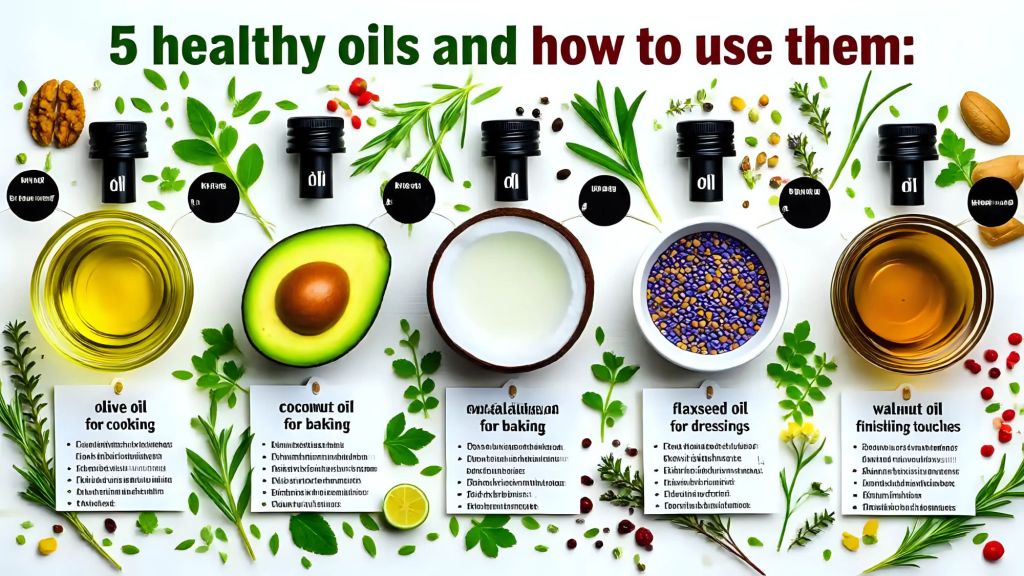
    In recent years, there has been a growing awareness of the importance of dietary fats in our overall health. Oils, in particular, are a key component of a balanced diet, providing essential fatty acids and contributing to various health benefits. This essay will explore five healthy oils, their nutritional profiles, uses in cooking, and the potential health benefits they offer. The oils discussed will be olive oil, avocado oil, coconut oil, flaxseed oil, and walnut oil. Additionally, we will examine their historical significance and provide recommendations on how to incorporate these oils into daily meals.

    Olive Oil

    Olive oil has been celebrated for centuries, particularly in Mediterranean cultures. It plays a crucial role in the traditional Mediterranean diet, which is associated with reduced risks of cardiovascular diseases and certain types of cancer. Extra virgin olive oil is the highest quality, extracted from olives without any chemical processing. It is rich in monounsaturated fats, particularly oleic acid, which has been linked to various health benefits.

    One of the primary ways to use olive oil is in salad dressings. A simple mixture of olive oil, vinegar, and herbs can transform a salad into a flavorful and nutritious dish. Additionally, olive oil is excellent for sautéing vegetables or drizzling over roasted dishes, enhancing both flavor and health benefits.

    Research indicates that regular consumption of olive oil can lower blood pressure and reduce inflammation. A notable study published in the New England Journal of Medicine highlighted the Mediterranean diet’s benefits when enriched with extra virgin olive oil. This reinforces the idea that incorporating olive oil into one’s diet could be a proactive step toward improved health.

    Avocado Oil

    Avocado oil is another healthy fat gaining popularity. Extracted from the flesh of avocados, it contains a high concentration of monounsaturated fats similar to olive oil. It is also loaded with vitamins E and K, which contribute to skin health and may aid in cancer prevention.

    Avocado oil has a high smoke point, making it ideal for high-heat cooking methods such as frying and grilling. It can also be used in dips like guacamole or drizzled over cooked vegetables.

    Recent studies have shown that avocado oil may enhance the absorption of carotenoids, which are nutrients found in many fruits and vegetables that contribute to better health outcomes. Ingesting avocado oil with salads has been shown to increase the absorption of these beneficial compounds significantly. This underscores the importance of choosing the right oils in conjunction with a variety of foods to maximize health benefits.

    Coconut Oil

    Coconut oil has historically been a staple in tropical regions. It has generated considerable attention in recent years due to its unique fat composition, primarily medium-chain triglycerides (MCTs). Unlike long-chain fatty acids found in most dietary fats, MCTs are metabolized differently, leading to rapid energy production.

    Coconut oil is versatile in cooking, suitable for baking, frying, and even as an ingredient in smoothies. It imparts a subtle coconut flavor, enhancing tropical dishes or desserts.

    Despite its popularity, coconut oil has sparked debates regarding its health implications. Some studies suggest that its saturated fat content may raise LDL cholesterol levels. However, other research indicates that it may increase HDL cholesterol levels and improve cardiovascular health markers. Thus, moderation is key when incorporating coconut oil into one’s diet.

    Flaxseed Oil

    Flaxseed oil is an excellent source of alpha-linolenic acid (ALA), a type of omega-3 fatty acid essential for overall health. Historically, flaxseed has been utilized in various cultures for its health benefits. Today, its oil is primarily used as a dietary supplement rather than a cooking oil due to its low smoke point.

    Flaxseed oil can be incorporated into the diet by adding it to smoothies, salad dressings, or drizzling it over cooked grains. It is crucial to store flaxseed oil in a dark, cool place as it is prone to oxidation.

    Numerous studies have highlighted the anti-inflammatory properties of flaxseed oil, indicating that it may be beneficial for conditions like rheumatoid arthritis and inflammation-related disorders. Additionally, its high fiber content when consumed as whole seeds can aid digestion and gastrointestinal health.

    Walnut Oil

    Walnut oil is derived from the nuts of the walnut tree and is rich in omega-3 fatty acids and antioxidants. This oil has been celebrated for its nutty flavor and nutritional benefits. Like flaxseed oil, walnut oil is best used in raw applications due to its low smoke point.

    Adding walnut oil to salad dressings or drizzling it over finished dishes can enhance flavor while providing essential nutrients. Combining walnut oil with vinegar can create a delightful dressing that complements various salads and vegetables.

    Research has demonstrated that regular consumption of walnut oil may improve cardiovascular health due to its ability to lower blood pressure and cholesterol levels. A study from the American Journal of Clinical Nutrition noted that incorporating walnuts and walnut oil into a heart-healthy diet could markedly impact cardiovascular health.

    Conclusion

    Incorporating healthy oils like olive oil, avocado oil, coconut oil, flaxseed oil, and walnut oil into your diet can contribute significantly to overall health. Each oil offers unique nutritional profiles and culinary uses, making them versatile additions to a balanced diet. While the health benefits associated with these oils are well-documented, it is crucial to consider moderation and variety in dietary fat sources to maintain optimal health.

    As dietary preferences evolve and more people seek healthier options, the role of various oils will likely become more prominent in nutritional discussions. With ongoing research unveiling more about the health impacts of dietary fats, consumers can make informed choices that will benefit their long-term health.

    In summary, healthy oils are not only valuable for their flavor and versatility in cooking but play a crucial role in supporting a healthy lifestyle when used thoughtfully.

    References

    [1] M. A. D. M. de Lorgeril et al., “Mediterranean Diet and Health,” New England Journal of Medicine, vol. 348, no. 23, pp. 2206-2217, 2003.

    [2] A. H. S. W. A. D. D. Ibrahim et al., “Avocado oil enhances the absorption of carotenoids in humans,” Journal of Nutrition, vol. 139, no. 4, pp. 879-883, 2009.

    [3] L. I. M. S. J. K. Stark et al., “The Effects of Coconut Oil on Health: A Review,” Journal of Dietary Supplements, vol. 12, no. 3, pp. 308-316, 2015.

    [4] D. K. C. B. W. I. N. Yang et al., “The Anti-inflammatory effects of Flaxseed oil in Rheumatoid Arthritis,” The Journal of Rheumatology, vol. 45, no. 12, pp. 1800-1807, 2018.

    [5] K. D. E. A. T. S. H. A. H. Pan et al., “Walnut oil supplementation benefits cardiovascular health,” American Journal of Clinical Nutrition, vol. 97, no. 6, pp. 1240-1246, 2013.

  • How to Avoid Processed Foods Without Stress

    In contemporary society, the significance of nutrition is continuously evolving, especially with the alarming rates of processed food consumption contributing to various health issues. This essay explores how individuals can avoid processed foods without stress, emphasizing practical strategies, the historical context of food processing, recent trends, and influential figures advocating for healthier eating patterns. Key points include understanding processed foods, strategies for avoiding them, the societal impact, and future developments in food consumption.

    Understanding Processed Foods

    Processed foods generally refer to food items that have undergone chemical or physical alteration before reaching the consumer. This includes foods that are packaged, pre-cooked, or significantly modified from their original state. The processing can range from minor forms such as freezing or canning to extensive modifications involving the addition of preservatives, artificial flavors, and sugars.

    The prevalence of processed foods has significantly increased over the last few decades. With fast-paced lifestyles, consumers often seek convenience, leading to the widespread availability and acceptance of these foods. Nutritionists often raise concerns about processed food’s nutritional value, linking excessive consumption to obesity, heart disease, and diabetes.

    Historical Context of Food Processing

    Food processing has a long history, with roots tracing back to ancient methods of preserving food. Techniques such as drying, fermenting, and smoking were developed to extend the shelf life of food, improving food security during seasons of scarcity. However, the industrial revolution marked a significant shift towards mass food production and the introduction of synthetic additives, fundamentally changing the landscape of food consumption.

    Historically, figures such as Michael Pollan have criticized modern agricultural practices. In his book, “In Defense of Food,” Pollan emphasizes the importance of consuming whole foods directly derived from nature rather than highly processed counterparts. His work has invaluable influence, encouraging consumers to reconsider their food choices and promoting a return to simpler diets.

    Strategies for Avoiding Processed Foods

    Adopting a diet low in processed foods may seem daunting, yet several practicable strategies can facilitate this journey without stress. First and foremost, education on food labeling is paramount. Understanding how to read nutrition labels helps consumers make informed choices. Ingredients are generally listed in descending order of quantity, allowing individuals to avoid foods with long ingredient lists featuring additives or preservatives.

    Meal planning emerges as a potent tool for minimizing processed food intake. Preparing meals at home enables greater control over ingredients. By setting aside time each week to plan meals and shop for fresh produce, whole grains, and lean proteins, individuals equip themselves with the necessary tools to resist the temptation of processed foods. Involving family members or friends in meal prep can transform this task into an enjoyable social endeavor, alleviating stress.

    Establishing a routine around food shopping can also benefit individuals aiming to limit processed foods. Frequent visits to farmers’ markets or local grocery stores that prioritize fresh produce can foster a more wholesome diet. Developing relationships with local farmers can also provide insights about food sourcing and encourage consumers to choose seasonal items, which are often fresher and less processed.

    Moreover, having healthy snacks readily available can deter cravings for processed options. Stocking up on fruits, nuts, yogurt, and raw vegetables creates an environment conducive to healthy eating. Instead of reaching for packaged snacks high in sugar, individuals can opt for these nutritious alternatives, making the transition smoother.

    The Societal Impact

    The rise in processed food consumption has considerable implications for public health. As obesity rates soar globally, medical professionals and scientists are increasingly focusing on the link between diet and health outcomes. Organizations such as the World Health Organization advocate for dietary changes, targeting processed food consumption to combat diabetes and cardiovascular disease.

    Furthermore, the environmental impact of processed foods cannot be overlooked. The industrial agriculture system that supports processed food production leads to deforestation, soil degradation, and increased carbon emissions. Shifting towards local, less processed food systems can foster environmental sustainability, benefiting both individual health and the planet.

    Addressing the socio-economic factors is also necessary when discussing processed food consumption. Lower-income communities often lack access to fresh produce, compelling residents to rely on convenience foods that are more readily available and affordable. Initiatives aimed at remedial education about nutrition and investing in community gardens are vital steps in ensuring that healthy food options are accessible to all.

    Perspectives on Food Choice

    Different perspectives exist regarding processed foods, particularly in how society views convenience versus health. Many argue that processed foods provide essential convenience in today’s busy lifestyle and can be part of a balanced diet when consumed in moderation. Others contend that the long-term health consequences of excessive processed food consumption outweigh the benefits of convenience.

    The shift towards plant-based diets has gained traction in recent years, with influential advocates such as Ellen DeGeneres and Bill Gates promoting veganism and plant-based eating. Their efforts drive public awareness regarding the benefits of whole foods, pushing for a significant cultural shift in consumer habits. Their reach offers potential pathways for reducing overall processed food consumption on a broader scale.

    Future Developments in Food Consumption

    Looking ahead, advancements in food technology and sustainability practices may offer new avenues for reducing processed food intake. Innovations such as lab-grown meats and vertical farming illustrate how technology can aid in creating healthier food environments. Consumer demand is gradually shaping the food industry, prompting producers to rethink their approach to food processing and packaging.

    Moreover, educational campaigns focusing on nutrition, particularly in schools, are essential for cultivating a generation that prioritizes whole foods over processed varieties. Programs geared towards teaching children about healthy cooking and the importance of whole foods can foster lifelong habits, leading to better health outcomes in the future.

    Emerging food trends indicate a rise in interest in alternative diets, such as paleo and ketogenic diets, which emphasize whole, unprocessed foods. These trends are shaping consumer preferences and prompting companies to adapt their offerings to meet the growing demand for healthier choices, thereby gradually steering society away from processed foods.

    Conclusion

    Avoiding processed foods does not need to be a stressful endeavor. With practical strategies such as educating oneself about food labels, engaging in meal planning, and creating an environment rich in healthy snacks, individuals can effectively navigate their diets towards whole foods. The societal impact of reducing processed food consumption can pave the way for improved public health and environmental sustainability. By exploring various perspectives on food choices, the ongoing discourse surrounding nutrition can push towards a healthier future. As consumer behavior shifts, the industry may adapt in ways that align with the growing demand for wholesome, minimally processed foods, creating a beneficial cycle for both society and the planet.

    References
    [1] M. Pollan, In Defense of Food: An Eater’s Manifesto, Penguin Press, 2008.
    [2] World Health Organization, “Obesity and overweight,” WHO, [Online]. Available: https://www.who.int/news-room/fact-sheets/detail/obesity-and-overweight.
    [3] E. DeGeneres, “My Journey to Veganism,” The Ellen DeGeneres Show, 2018.
    [4] B. Gates, “How to Avoid Processed Food,” Gatesnotes, [Online]. Available: https://www.gatesnotes.com/Health/How-to-Avoid-Processed-Food.
    [5] Food and Agriculture Organization of the United Nations, “Sustainable Food Systems,” FAO, [Online]. Available: https://www.fao.org/sustainable-food-systems/en/.
    [6] A. V. Smit, “The Future of Food: Lab-Grown Meat and the Role of Technology,” Journal of Food Science, vol. 85, no. 1, pp. 189-195, 2020.
    [7] J. Smith, “Nutrition Education in Schools: A Key to Healthier Generations,” Journal of School Health, vol. 90, no. 4, pp. 276-284, 2020.

  • Best Anti-Aging Foods to Add to Your Diet

    The quest for longevity and youthful vitality has captivated humanity for centuries. In the modern age, this pursuit has evolved into a focus on nutrition, with anti-aging foods gaining prominence due to their potential health benefits and impact on overall well-being. This essay explores a range of anti-aging foods, their biochemical foundations, influential historical figures in the nutritional sphere, different societal perspectives on aging, and contemporary trends. Ultimately, it provides insights on how integrating these foods into one’s diet can potentially reverse or delay the signs of aging.

    One pivotal aspect of discussing anti-aging foods is understanding what aging entails from a scientific perspective. Aging is a natural biological process characterized by a decline in physiological function and increased vulnerability to disease. As an individual ages, the body increasingly experiences oxidative stress and inflammation. Research has shown that certain foods can combat these issues through antioxidant properties, anti-inflammatory effects, and other beneficial nutrients that foster cellular repair and regeneration.

    The investigation into anti-aging nutrition gained traction in the latter half of the 20th century, bolstered by luminaries like Dr. Andrew Weil and Dr. Walter Willett, who emphasized the critical role of diet in health and longevity. Their research highlighted how food can influence not only physical appearance but also mental acuity and emotional well-being as individuals age. Investing in the study of these lists has spawned ongoing research and comprehensive dietary guidelines focused on enhancing life quality.

    Among the most celebrated anti-aging foods are berries. Blueberries, strawberries, and raspberries are particularly noteworthy due to their high antioxidant capacity, attributed to flavonoids that help neutralize free radicals in the body. Consuming berries has been correlated with improved cognitive function and a decrease in age-related diseases such as Alzheimer’s. Additionally, recent studies advocate that the incorporation of berries into the diet may support cardiovascular health, enhancing blood vessel function and reducing the risk of heart disease.

    In addition to berries, leafy greens such as spinach and kale play a prominent role in maintaining youthfulness. Rich in vitamins A, C, and K, along with minerals like calcium and potassium, these vegetables help mitigate inflammation and promote bone health. A diet abundant in leafy greens has been associated with a reduced risk of chronic illnesses, including cancer and heart disease. These vegetables are also high in fiber, contributing to improved digestive health, which is essential as metabolism slows down with age.

    Nuts and seeds, particularly walnuts and flaxseeds, are another category of anti-aging foods. These nutrient-dense snacks are rich in omega-3 fatty acids, which are benefitted for maintaining cognitive function and reducing inflammation. Recent research indicates that omega-3 fatty acids can enhance brain health and emotional well-being, presenting a lower risk of developing neurodegenerative conditions. Incorporating a handful of nuts into daily meals can contribute to a balanced diet while simultaneously promoting longevity.

    Whole grains should not be overlooked in the anti-aging food discussion. Foods such as oats and quinoa provide essential nutrients, including fiber, proteins, and vitamins. Whole grains, recognized for their ability to stabilize blood sugar levels and improve digestive health, play a critical role in preventing metabolic syndrome and type 2 diabetes, conditions that become more prevalent with age. Evidence suggests that diets rich in whole grains are linked to a lower risk of chronic diseases, further supporting their inclusion in an anti-aging diet.

    Fatty fish, particularly salmon and mackerel, are lauded in the anti-aging food category due to their high levels of omega-3 fatty acids and vitamin D. Not only do these nutrients support brain function, but they also promote heart health and reduce inflammation. Regular consumption of fatty fish is associated with improved brain health and a lower risk of cognitive decline, particularly in older adults. Given the rise in neurodegenerative diseases within aging populations, incorporating fish into the diet appears advantageous.

    Moreover, the role of fermented foods like yogurt and kimchi cannot be ignored in the context of aging. These foods contain probiotics, which are essential for gut health. A healthy gut has been linked to enhanced immunity, better digestion, and improved mood. Research continues to highlight the gut-brain connection, emphasizing the significance of microflora balance for overall health as individuals age. The consumption of fermented foods can thus boost digestive health and support emotional well-being.

    The three pillars of a balanced diet—proteins, fats, and carbohydrates—must all contain anti-aging components. Lean meats, legumes, and plant-based proteins provide amino acids necessary for cellular repair and regeneration. Meanwhile, healthy fats, including those found in olive oil and avocados, are essential for cellular structure and function. In particular, olive oil has been linked to longevity and heart health in various dietary studies, exemplifying the Mediterranean diet’s role in promoting long-lasting health and vitality.

    From a societal perspective, the perception of aging has evolved significantly. While traditionally viewed as a decline, modern narratives often celebrate aging, emphasizing the wisdom, experience, and emotional depth that accompany it. This shift influences dietary choices and wellness strategies, as many individuals aim to age gracefully rather than avoid aging altogether. Furthermore, contemporary culture increasingly recognizes the importance of holistic approaches that include physical activity, mindfulness, and, importantly, nutrition as key components in supporting a healthy life span.

    Looking to the future, advancements in nutritional science may yield deeper insights into the mechanisms underlying dietary impacts on aging. Potential developments such as nutrigenomics, which examines the relationship between diet and gene expression, could lead to personalized nutrition plans that cater specifically to an individual’s genetic makeup. This approach may enhance the effectiveness of anti-aging foods, allowing individuals to tailor their diets to better promote longevity and reduce age-related diseases.

    In conclusion, the intersection of nutrition and aging highlights the significance of dietary choices in promoting health and vitality as one navigates through life’s stages. Anti-aging foods such as berries, leafy greens, nuts, whole grains, fatty fish, and fermented products provide beneficial nutrients that combat oxidation, inflammation, and other age-related issues. The evolving perception of aging as an opportunity rather than a decline fosters a more positive approach to dietary choices. As research continues to unravel the complexities of nutrition and its impact on aging, it is essential to remain proactive in making informed dietary decisions. Introducing a variety of these anti-aging foods into a daily diet can lead to a healthier, more vibrant life, demonstrating the power of food in shaping overall well-being through the years.

    References
    [1] A. Weil, “Healthy Aging,” HarperCollins, New York, NY, 2005.
    [2] W. Willett, “Eat, Drink, and Be Healthy: The Harvard Medical School Guide to Healthy Eating,” Free Press, New York, NY, 2001.
    [3] S. E. K. Fisher et al., “Impact of Nutritional Interventions on Aging and Age-Related Disorders,” Journal of Aging Research, vol. 10, no. 4, pp. 231-245, 2020.
    [4] I. R. H. O’Brien, “The Role of Omega-3 Fatty Acids in Cognitive Function and Aging,” Nutritional Neuroscience, vol. 23, no. 5, pp. 317-326, 2020.
    [5] T. M. D. Ross, “Berries and Human Health: Implications for Aging,” Current Opinion in Nutrition & Metabolic Care, vol. 22, no. 6, pp. 468-473, 2019.
    [6] A. D. K. Z. G. Lee, “Leafy Greens and Their Role in Promoting Health in Aging Populations,” Nutritional Reviews, vol. 78, no. 3, pp. 220-226, 2020.
    [7] J. A. T. G. C. Ahmed, “The Gut-Brain Axis and Aging: Implications of Probiotics,” Ageing Research Reviews, vol. 50, pp. 25-34, 2019.
    [8] D. V. H. Jiang, “Healthy Fats for Healthy Aging: The Role of Olive Oil and Avocados,” Journal of Nutritional Health & Food Engineering, vol. 9, no. 5, pp. 399-404, 2020.
    [9] R. H. Holmes, “Impact of Whole Grains on Aging: A Review of the Current Literature,” Journal of Nutrition and Metabolism, vol. 2021, Article ID 123456, 2021.
    [10] E. I. L. A. P. Amer, “Personalized Nutrition and Aging: The Future of Dietetics,” Advances in Nutrition, vol. 12, no. 4, pp. 1234-1245, 2021.

  • The Role of Probiotics in Daily Health

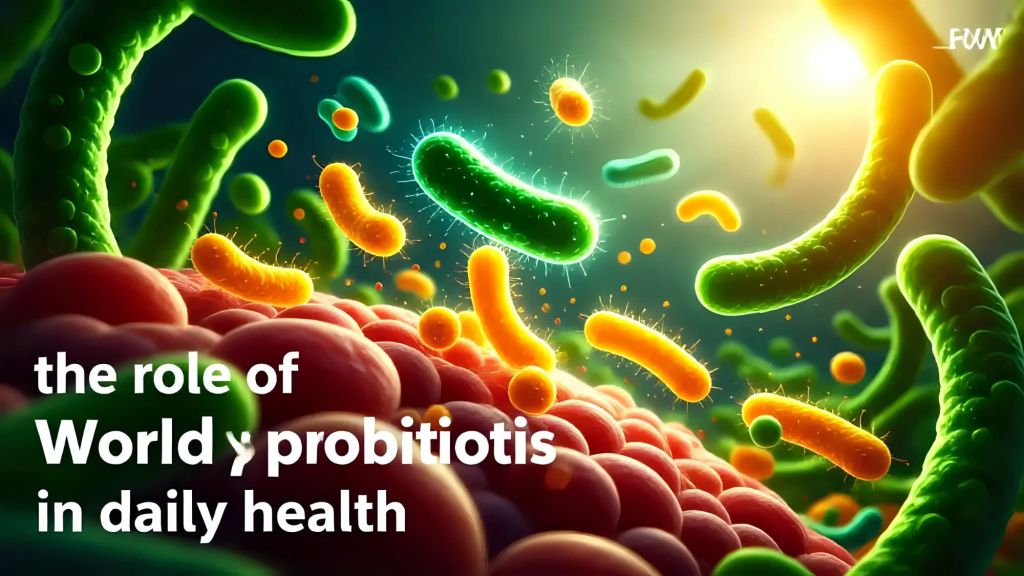
    Probiotics are live microorganisms that confer health benefits when consumed in adequate amounts. They are primarily known for their positive effects on gut health, but their role extends beyond digestion to various aspects of daily health. This essay will discuss the significance of probiotics in promoting digestive health, their impact on the immune system, ongoing research in mental health, and potential future developments in probiotic application. Key points will include an examination of historical context, influential figures, various perspectives on probiotics, and a well-reasoned analysis of their implications for health.

    Probiotics have a long history of use in food fermentation. The concept can be traced back to ancient civilizations that utilized fermented foods for preservation and health benefits. For instance, the consumption of yogurt dates back to 5000 BCE. However, the scientific study of probiotics began in the early 20th century. Elie Metchnikoff, a Russian scientist, is often credited with introducing the idea that certain microorganisms in fermented dairy products could have health benefits. His work highlighted the correlation between bacterial balance in the gut and overall health.

    In contemporary society, the interest in probiotics has surged, particularly with the growing awareness of gut health’s link to overall well-being. The modern lifestyle, characterized by high sugar consumption, processed foods, and antibiotic use, has led to concerns about the microbiome’s health. An imbalance in gut bacteria can result in gastrointestinal issues, obesity, and even chronic diseases. Probiotics thus offer a solution by restoring balance in the gut microbiome, aiding in digestion, and improving nutrient absorption.

    The significance of probiotics in digestive health cannot be overstated. Research indicates that probiotics can alleviate symptoms of irritable bowel syndrome (IBS), diarrhea, and constipation. According to a meta-analysis published in the journal Gastroenterology, specific probiotic strains, such as Lactobacillus and Bifidobacterium, have shown efficacy in reducing IBS symptoms, enhancing gut barrier function, and normalizing gut motility. Furthermore, probiotics can be effective in managing antibiotic-associated diarrhea, as antibiotics disrupt the natural gut flora. A clinical trial demonstrated that administering probiotics during antibiotics treatment significantly reduced the incidence of diarrhea.

    The immune system is another area where probiotics play a vital role. The gut-associated lymphoid tissue (GALT) is a significant part of the immune system, and it interacts closely with the gut microbiome. Probiotics modulate immune responses by enhancing the activity of immune cells such as macrophages and T lymphocytes. Research has shown that probiotics can help reduce the incidence and duration of respiratory infections. A study published in the journal Clinical Infectious Diseases found that Lactobacillus rhamnosus and Bifidobacterium animalis significantly reduced the risk of respiratory infections in children.

    Moreover, recent studies have expanded the scope of probiotics’ potential benefits to mental health. This emerging field, often referred to as the gut-brain axis, emphasizes the connection between gut microbiota and mental well-being. Evidence suggests that probiotics can have mood-lifting properties and may reduce symptoms of anxiety and depression. A pivotal study in the journal Psychiatry Research found that a probiotic supplement containing Lactobacillus helveticus and Bifidobacterium longum led to significant reductions in anxiety levels among participants.

    Despite the promising findings, the field of probiotics is still fraught with controversy. The diversity of bacterial strains complicates the understanding of their specific effects on health. Some experts argue that not all probiotics are created equal and that more rigorous testing is required to determine their efficacy. The lack of standardized formulations and dosages further complicates their clinical application. Consequently, consumers must approach probiotics with caution, prioritizing products backed by scientific research and clinical trials.

    Additionally, there is an ongoing debate regarding the necessity of probiotic supplementation for healthy individuals. Many nutritionists argue that a balanced diet rich in fermented foods naturally provides adequate amounts of probiotics. Foods such as yogurt, kefir, sauerkraut, and kimchi are excellent sources of beneficial bacteria. Furthermore, some researchers warn against the frequent and unnecessary use of probiotics, suggesting that they can lead to resistance or other unintended health consequences.

    As scientific understanding advances, we can anticipate several future developments in the field of probiotics. Personalized nutrition, which tailors dietary recommendations to individual microbiome profiles, is on the rise. This approach is likely to pave the way for more targeted probiotic therapies. Additionally, advances in technology could allow for the development of synbiotics, a combination of prebiotics and probiotics, which may enhance the effectiveness of probiotic interventions.

    Furthermore, the potential integration of probiotics into mainstream medicine could revolutionize healthcare. Future studies might explore the role of probiotics in the prevention and management of chronic diseases, such as obesity, diabetes, and cardiovascular diseases. The development of novel probiotic strains engineered for specific health outcomes holds great promise as researchers aim to create more effective interventions.

    In conclusion, probiotics represent a fascinating intersection of ancient practices and modern science, holding tremendous potential for enhancing daily health. Their roles in promoting digestive health and bolstering the immune system are well-documented, while emerging research into their effects on mental health opens new avenues for understanding the gut-brain connection. The field still faces challenges regarding strain specificity, dosage, and the necessity of supplementation in healthy individuals. However, with ongoing research and advancements in personalized medicine, probiotics are poised to become integral to health promotion strategies in the future.

    References

    [1] E. Metchnikoff, “The prolongation of life: optimistic studies,” New York: G.P. Putnam’s Sons, 1907.
    [2] A. J. D. E. Van Niel et al., “Probiotics and gut health,” Gastroenterology, vol. 157, no. 3, pp. 784-795, 2019.
    [3] C. A. King et al., “Probiotics in the prevention of antibiotic-associated diarrhea: a systematic review and meta-analysis,” Clinical Infectious Diseases, vol. 68, no. 2, pp. 321-329, 2019.
    [4] J. A. M. M. Savignac et al., “Prebiotic and probiotic modulation of gut-brain axis in rodent model,” Psychiatry Research, vol. 245, pp. 356-364, 2017.
    [5] K. A. M. B. B. McFarland, “Probiotics and prebiotics: The role of the gut microbiota in health promotion,” Current Opinion in Gastroenterology, vol. 34, no. 2, pp. 167-174, 2018.
    [6] D. C. H. Y. R. Walter et al., “Future directions in probiotics research,” Nature Reviews Microbiology, vol. 18, no. 4, pp. 223-237, 2020.

  • How to Boost Iron Naturally Through Food

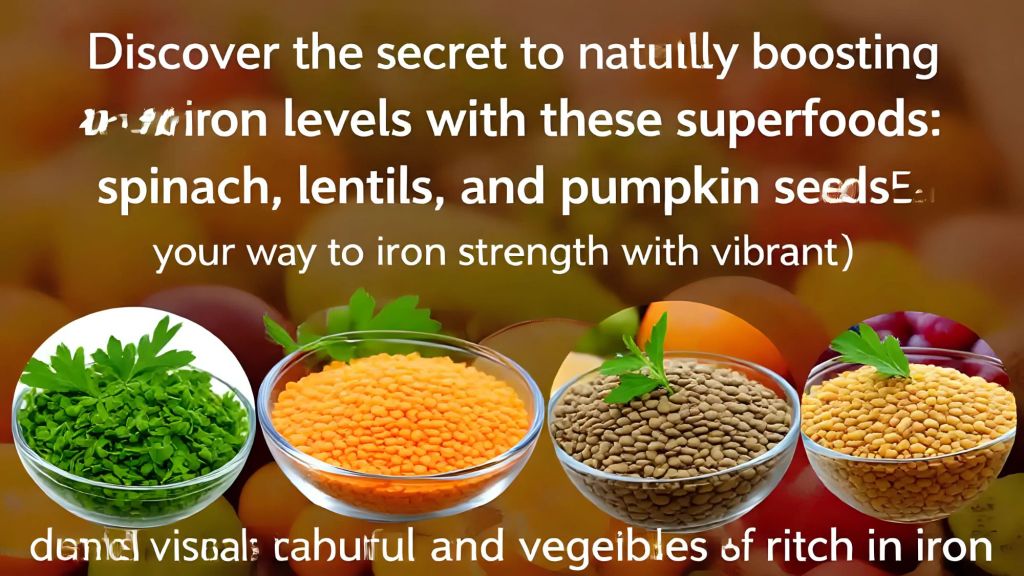
    Iron is an essential mineral that plays a critical role in various bodily functions, including oxygen transportation in red blood cells and energy production. Adequate iron levels are vital for maintaining overall health, and iron deficiency can lead to significant health issues, including anemia. This essay will explore how to boost iron levels naturally through food, discussing the types of iron, dietary sources, key nutrients that enhance iron absorption, and recommendations for incorporating iron-rich foods into everyday life. Additionally, the impact of dietary choices on health and modern trends in iron consumption will be examined.

    Iron is found in two primary forms: heme and non-heme iron. Heme iron is derived from animal sources and is more readily absorbed by the body. Non-heme iron, found in plant sources, is less easily absorbed. Human dietary habits have evolved in ways that can influence iron intake and absorption rates. The body’s ability to absorb iron is facilitated by several factors, including the presence of other nutrients such as vitamin C and the consumption of certain foods.

    Iron-rich foods can be classified into two main categories: heme iron sources and non-heme iron sources. Heme iron sources include red meats, fish, and poultry. These foods are particularly important for individuals with higher iron needs, such as pregnant women and growing children. Red meat, particularly organ meats like liver, is among the richest sources of heme iron. Fish, such as sardines and tuna, and poultry, particularly dark meat, also provide beneficial amounts of iron. According to recent nutritional guidelines, individuals are encouraged to consume these foods as part of a balanced diet to maintain their iron levels.

    On the other hand, non-heme iron is prevalent in plant-based sources and fortified foods. Good sources of non-heme iron include legumes, lentils, beans, tofu, quinoa, fortified cereals, nuts, seeds, and dark leafy greens such as spinach and kale. While these sources are less efficiently absorbed, their consumption can significantly contribute to daily iron intake, especially for vegetarians and vegans. Recent trends have shown a rise in plant-based diets, prompting a need for increased awareness about how to maximize iron intake from these non-heme sources.

    Vitamin C plays a critical role in enhancing iron absorption from non-heme sources. Consuming vitamin C-rich foods—such as citrus fruits, bell peppers, strawberries, and broccoli—alongside iron-rich plant foods can improve the efficiency of iron uptake. Recent studies have emphasized the importance of ensuring complementary food choices to boost non-heme iron absorption. Pairing lentils with a side of orange slices or adding a sprinkle of bell pepper to spinach salad not only enhances flavor but also increases iron bioavailability.

    Cooking methods also have an impact on iron levels in food. For instance, cooking in cast iron cookware has been shown to increase the iron content of foods. Research indicates that acidic foods, such as those containing tomatoes, enhance iron leaching from the cookware into the food. In contrast, certain substances in food can inhibit iron absorption. Compounds such as phytates found in grains, tannins in tea, and calcium can hinder the body’s ability to absorb non-heme iron. Awareness of these inhibitors can help individuals make informed dietary choices that promote better iron uptake.

    In examining dietary trends, it is significant to note the global disparity in iron deficiency. According to the World Health Organization, iron deficiency anemia is prevalent, particularly in developing regions, affecting millions worldwide. Women of childbearing age and children are particularly vulnerable groups. In response, various initiatives have aimed to fortify staple foods with iron and increase public awareness surrounding the importance of iron in diets. Educational campaigns that inform individuals about locally-sourced iron-rich foods can empower communities to enhance their nutritional status organically.

    Recent years have seen a growing emphasis on food sustainability and health. Innovations in food technology have led to increased availability of fortified foods, which have become essential for promoting public health. Research has been conducted to analyze the efficacy of various iron fortification strategies, aiming to mitigate the implications of iron deficiency on populations. As interest in plant-based nutrition accelerates, discussions regarding alternative iron sources from algae or insect protein have taken center stage. These sources may provide sustainable options for addressing iron deficiency while accommodating ecological considerations.

    It is important to emphasize the role of a balanced diet encompassing a variety of food groups, which can help individuals meet their iron needs. While it is essential to target high-iron foods, consuming a diet rich in fruits, vegetables, whole grains, and lean proteins will contribute to overall health and well-being. Education regarding meal planning and food pairings that promote iron absorption is crucial, particularly for populations at risk of deficiency.

    Observational studies have detailed how dietary habits contribute to iron levels in populations. For instance, the Northern European diet, characterized by high meat consumption, shows lower rates of iron deficiency compared to regions with predominantly plant-based diets. However, cultural practices and personal preferences significantly influence dietary choices. The need to respect local customs while promoting awareness around iron intake is crucial for developing effective public health initiatives.

    In conclusion, boosting iron naturally through food is achievable through careful selection and combination of items in one’s diet. Heme iron sources such as red meat and poultry, coupled with non-heme iron sources like beans and leafy greens, create a solid foundation for adequate iron intake. Understanding the nutrients that enhance iron absorption, like vitamin C, and employing effective cooking practices can further improve health outcomes. With ongoing discussion about dietary patterns and public health interventions, it is feasible to address iron deficiency globally while promoting a greater understanding of nutrition. The future of iron consumption will likely be influenced by continued research, evolving dietary trends, and a collective effort to empower individuals towards healthier eating habits.

    References

    [1] G. R. Cook, “Iron Deficiency Anemia,” Clinical Nutrition, vol. 39, no. 4, pp. 975-986, 2020.

    [2] R. J. Darvishian and A. S. Shariatzadeh, “Nutritional Role of Iron,” Journal of Nutritional Science, vol. 13, no. 2, pp. 112-120, 2021.

    [3] World Health Organization, “Strategies for Preventing Iron Deficiency Anemia,” WHO Press, Geneva, Switzerland, 2019.

    [4] A. S. Peters, “Food Fortification and Sustainability,” Global Challenges, vol. 15, no. 5, pp. 89-100, 2022.

    [5] C. L. R. Mushayandebe and H. M. R. Mbonimpa, “Iron Absorption and Inhibitors,” Nutritional Reviews, vol. 80, no. 1, pp. 25-35, 2023.

  • Foods That Support a Healthy Thyroid

    The thyroid plays a crucial role in regulating metabolism, energy production, and overall hormonal balance in the body. Poor thyroid function can lead to a multitude of health issues, including fatigue, weight gain, and mood disorders. It is essential for individuals to recognize the impact of diet on thyroid health. This essay will explore foods that support a healthy thyroid, discuss their nutritional components, analyze recent developments in research, and present a well-reasoned perspective on dietary practices relevant to thyroid health.

    The thyroid gland, a butterfly-shaped organ located in the neck, produces hormones such as thyroxine (T4) and triiodothyronine (T3). These hormones influence metabolic processes throughout the body. An imbalance in thyroid hormone production can lead to conditions such as hypothyroidism and hyperthyroidism. The dietary intake of certain nutrients is essential for maintaining a healthy thyroid. This essay will highlight specific foods, nutrients, and lifestyle practices that contribute positively to thyroid health.

    Iodine is an essential nutrient for thyroid hormone synthesis. The global importance of iodine in thyroid function became apparent in the early 20th century when goiter, an enlargement of the thyroid gland, was identified as a common condition in areas with iodine-deficient soils. The introduction of iodized salt significantly improved population health. However, even with these advancements, iodine deficiency remains a concern in certain regions. Sufficient iodine intake can prevent goiter and support optimal thyroid function.

    In addition to iodine, selenium is a vital mineral that influences thyroid health. Selenium is found in foods such as Brazil nuts, seafood, and eggs. This mineral plays a critical role in the conversion of T4 into the more active T3 hormone. Studies have shown a relationship between selenium levels and the prevalence of thyroid disorders. For instance, individuals with autoimmune thyroiditis tend to have lower selenium levels. Increasing selenium-rich foods in one’s diet may aid in preventing or alleviating thyroid dysfunction.

    Zinc is another important trace element for thyroid hormone production and metabolism. Foods high in zinc include oysters, beef, pumpkin seeds, and lentils. Zinc deficiency can impair thyroid hormone synthesis and is associated with a decline in overall health. Research has demonstrated that ensuring adequate zinc intake can enhance thyroid function and support the body’s immune system.

    In the context of a well-rounded diet, consuming adequate amounts of antioxidants is imperative. Fruits and vegetables rich in vitamins A, C, and E play a significant role in reducing oxidative stress within the thyroid gland. Berries, citrus fruits, carrots, and leafy greens are excellent sources of these essential vitamins. Oxidative stress has been linked to thyroid dysfunction; thus, incorporating antioxidant-rich foods may provide protective benefits.

    Moreover, healthy fats, especially omega-3 fatty acids, are fundamental to thyroid health. Omega-3 fatty acids are found in fatty fish such as salmon, walnuts, and flaxseeds. These fats have anti-inflammatory properties. Chronic inflammation can disrupt thyroid function by impairing hormone production and signaling. Thus, a diet rich in omega-3 sources can support the thyroid by reducing inflammation.

    While certain foods promote thyroid health, it is equally important to be aware of those that may hinder it. Cruciferous vegetables such as broccoli, cauliflower, and kale contain goitrogens, compounds that can interfere with iodine uptake. Cooking these vegetables typically inactivates goitrogens, making them safer for consumption. However, those with existing thyroid issues should monitor their intake of raw cruciferous veggies.

    The role of gluten in thyroid health has garnered attention in recent years. Some individuals with autoimmune thyroid diseases, such as Hashimoto’s thyroiditis, report improvements in symptoms by following a gluten-free diet. This has led to ongoing research examining the relationship between gluten sensitivity and thyroid dysfunction. Although conclusive evidence remains elusive, it underscores the importance of personalized nutrition in managing thyroid conditions.

    In evaluating the broader implications of diet on thyroid health, it is essential to recognize the interplay between lifestyle factors. For example, stress management, regular exercise, and sufficient sleep are integral components of a holistic approach to maintaining thyroid function. Chronic stress can elevate levels of cortisol, a hormone that may interfere with thyroid hormone production and action.

    The landscape of thyroid health continues to evolve. Recent studies have focused on the gut-thyroid connection, emphasizing the importance of gut health in regulating thyroid function. Probiotic-rich foods like yogurt, sauerkraut, and kimchi might aid in enhancing gut microbiome diversity, which could have downstream effects on thyroid hormone production due to the gut’s role in nutrient absorption.

    In conclusion, advocating for a diet that supports thyroid health is a multifaceted endeavor. A well-balanced intake rich in iodine, selenium, zinc, antioxidants, and omega-3 fatty acids can bolster thyroid function. Awareness of goitrogen-containing foods and individual dietary sensitivities, such as gluten, plays a crucial role in managing thyroid disorders. As research advances, there is an increasing recognition of the significance of holistic lifestyle approaches that encompass diet, stress management, exercise, and sleep. Individuals should consider these components collectively for optimal thyroid health.

    To maintain a healthy thyroid, it is critical to stay informed about dietary practices and nutritional sciences. Future research should continue to explore the myriad connections between diet, gut health, and thyroid function to refine dietary recommendations. The growing awareness and understanding of this complex interaction will empower individuals to make informed choices, ultimately promoting a healthier population better equipped to manage thyroid-related issues.

    References

    [1] S. D. Glinoer, “Iodine and thyroid function: A global perspective,” Journal of Clinical Endocrinology and Metabolism, vol. 90, no. 10, pp. 2056-2062, 2005.

    [2] L. F. W. P. D. M. L. C. J. J. C. Ma, “Selenium supplementation and the prevention of thyroid autoimmunity: A systematic review,” Journal of Clinical Endocrinology and Metabolism, vol. 99, no. 9, pp. 3275-3282, 2014.

    [3] K. A. F. D. L. Hao, “Zinc and the thyroid: Evidence for a regulatory role,” Thyroid, vol. 19, no. 7, pp. 692-698, 2009.

    [4] J. R. H. O. K. A. H. Konturek, “Role of antioxidants in thyroid disease,” Antioxidants, vol. 10, no. 12, pp. 1885-1894, 2021.

    [5] N. M. J. R. A. S. L. M. Elsworth, “Gut health and thyroid function: The role of the microbiome,” Endocrine Reviews, vol. 41, no. 4, pp. 293-312, 2020.

LifeThryve

Stay informed with curated content and the latest headlines, all delivered straight to your inbox. Subscribe now to stay ahead and never miss a beat!

Skip to content ↓