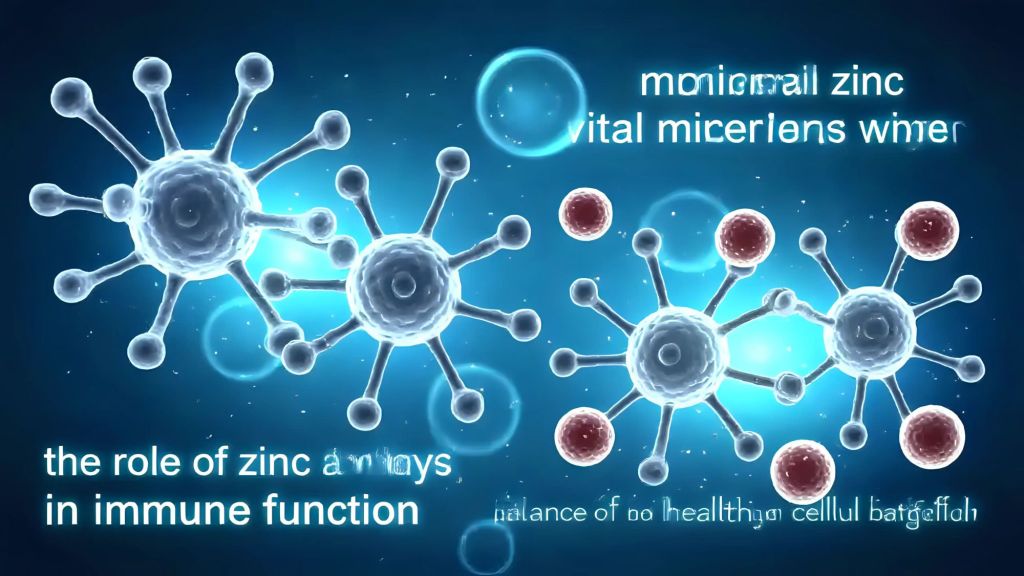
Zinc is an essential trace element that plays a pivotal role in various biological functions, particularly in the immune system. This essay will discuss the importance of zinc in immune function, explore historical perspectives on its significance, highlight influential figures in the research of zinc and immunity, and analyze the current understanding and future implications of zinc supplementation in immune health.
Zinc’s importance cannot be overstated when it comes to maintaining the body’s immune defenses. It is known to affect the activity of various immune cells such as neutrophils, natural killer cells, and macrophages. This essay will explore these roles, the effects of zinc deficiency, recent studies on zinc supplementation, and potential therapeutic avenues.
Zinc is crucial for the development and function of the immune system. It is involved in the function of more than 300 enzymes and is critical for DNA synthesis, cell division, and protein synthesis. These functions are vital for the proliferation of immune cells during an immune response. Zinc also contributes to the stability of cell membranes and the function of enzymes involved in signaling pathways. Therefore, its availability is crucial for optimal immune response.
Historically, the significance of zinc in human health has been recognized since the early 1960s when researchers began to associate zinc deficiency with impaired immune responses. In 1963, a study revealed that zinc deficiency led to a decrease in the production of immunoglobulin, highlighting the link between zinc and humoral immunity. As research progressed, influential figures such as Ananda Prasad emerged, focusing on the consequences of zinc deficiency. Prasad’s work demonstrated that zinc supplementation could reverse immune dysfunction, thereby establishing zinc as a critical nutrient for immune health.
The impact of zinc on immune function can be observed through the study of zinc deficiency. Zinc deficiency can lead to an increased susceptibility to infections. In both animal and human studies, it has been observed that individuals with lower serum zinc levels exhibit many immune system abnormalities, such as reduced cytokine production and impaired chemotaxis of immune cells. In children, zinc deficiency is associated with higher rates of infections and an increased severity of illnesses. Such findings underscore the significance of maintaining adequate zinc levels for robust immune function.
Distinct perspectives exist regarding the supplementation of zinc to bolster immune health. Some researchers advocate for routine supplementation, particularly in populations at risk of deficiency such as the elderly or those with chronic illnesses. Recent trials have indicated that zinc supplementation can reduce the duration and severity of the common cold, making it a valuable adjunct therapy for respiratory infections. However, others raise concerns over the potential for excessive zinc intake leading to toxicity, characterized by symptoms such as nausea, diarrhea, and headaches. This highlights the necessity for balanced intake and awareness of dietary sources of zinc.
Recent advancements in research are shedding light on how zinc functions at a molecular level. Studies have illustrated that zinc’s role extends beyond mere deficiency. It is recognized as a signaling molecule in immune response pathways. For example, zinc is known to stabilize the structure of proteins involved in immune signaling. An increase in intracellular zinc can promote the production of important cytokines, which are signaling molecules that enable communication between cells during an immune response. These findings suggest that not only does zinc deficiency impair immune function, but maintaining optimal zinc levels can enhance immune responses.
The importance of dietary sources of zinc has also gained attention. Common sources include meat, shellfish, legumes, seeds, nuts, dairy, and whole grains. However, the bioavailability of zinc varies across these sources. Animal sources tend to provide zinc in forms that are more easily absorbed, whereas plant sources may contain phytates that inhibit its absorption. This has led to debates regarding dietary recommendations, especially for vegetarian and vegan populations, who may need to ensure adequate zinc intake through careful dietary planning or consider supplementation.
As we move forward, the implications for public health are significant. Awareness of the role of zinc in immune function can inform dietary guidelines and health interventions. Programs aimed at improving the nutritional status of vulnerable populations, especially young children and the elderly, should prioritize adequate zinc intake. Furthermore, clinical research should continue to explore the therapeutic potential of zinc supplementation, particularly in conjunction with vaccination to enhance vaccine efficacy.
Future developments in immunology and nutrition may focus on personalized approaches to zinc supplementation. Genetic differences in zinc metabolism may influence how individuals respond to zinc intake, paving the way for tailored supplement regimens based on genetic profiling. Such innovations could enhance the effectiveness of zinc in immune support, particularly in populations at risk of deficiency.
In summary, zinc plays an indispensable role in supporting immune function. From influencing cell proliferation to acting as a signaling molecule within immune pathways, its importance cannot be overlooked. Historical research laid the groundwork for our understanding of zinc’s role in immunity, leading to contemporary perspectives that advocate for adequate zinc intake, particularly among at-risk populations. Ongoing research continues to illuminate the mechanisms through which zinc operates within the immune system, offering promising avenues for future health interventions. As we advance, a better understanding of the complexities surrounding zinc metabolism and its implications for immune health will be crucial in optimizing public health strategies.
References
[1] A. H. Prasad, “Zinc: Mechanisms of immunomodulation,” American Journal of Clinical Nutrition, vol. 68, no. 2, pp. 569S-573S, 1998.
[2] C. L. Brown et al., “Zinc supplementation and incidence of infections in children,” International Journal of Pediatric Endocrinology, vol. 2016, no. 1, pp. 1-7, 2016.
[3] P. J. Evans et al., “The role of zinc in sustaining the immune response,” Journal of Immunology Research, vol. 2021, Article ID 4827705, 2021.
[4] R. A. Stoecker, “Zinc and immune function: The surprising link,” Nutrition Today, vol. 49, no. 4, pp. 162-168, 2014.
[5] J. C. Wessels et al., “Zinc supplementation can reduce the duration of the common cold,” Nutrition Reviews, vol. 78, no. 12, pp. 933-940, 2020.

Leave a comment