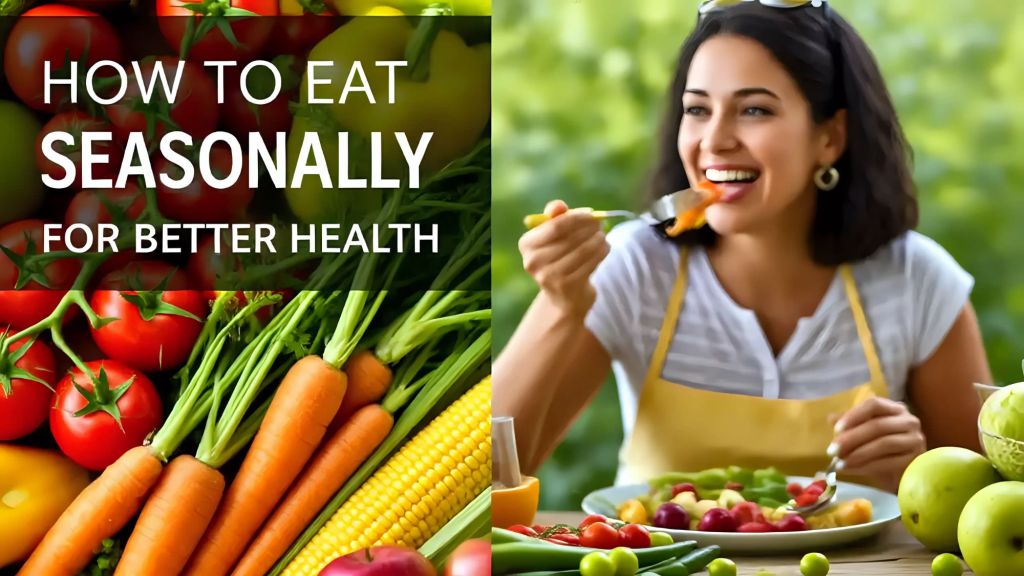
Eating seasonally has become an increasingly popular topic in discussions about nutrition, sustainability, and health. This essay aims to inform readers about the health benefits of consuming seasonal produce, the impact of this practice on the environment, influential individuals in the field of seasonal eating, and future developments that could arise from a renewed focus on seasonality in our diets.
The concept of eating seasonally revolves around consuming fruits and vegetables at their peak harvest times. This practice contributes to better health and offers various environmental advantages. By examining the nutritional, ecological, and economic aspects of seasonal eating, we can appreciate its significance in contemporary society.
One of the critical health benefits of eating seasonally is the enhanced nutritional value of fruit and vegetables consumed at their peak. Produce harvested at the right time is often richer in vitamins and minerals compared to items that have been transported over long distances. For instance, tomatoes gathered in summer are typically sweeter and more nutritious than those available in winter. When fruits and vegetables are harvested at their peak, they tend to be fresher, thereby providing a greater array of nutrients to the consumer. Studies show that fresh produce contains antioxidants, vitamins, and minerals that are vital for preventing chronic diseases such as heart disease, diabetes, and certain types of cancer.
Moreover, seasonal eating aligns with the body’s natural rhythms. Many cultures intuitively understand this concept; for example, traditional Chinese medicine emphasizes eating according to the seasons to maintain balance and harmony within the body. In summer, lighter, hydrating foods like cucumbers and melons are favored. Conversely, in winter, heartier foods like root vegetables provide warmth and sustenance. This cyclical approach to diet maximizes nutrient intake while aligning with physiological needs.
Alongside the health benefits, seasonal eating bears significant environmental advantages. When consumers choose local and seasonal foods, they reduce the carbon footprint associated with food transport. A staggering amount of energy is used in transporting food from farms to markets, especially when products are sourced globally. According to research conducted by the World Resources Institute, the transportation of food accounts for a considerable portion of greenhouse gas emissions. Eating locally reduces this impact, contributing to a more sustainable food system.
Furthermore, seasonal eating often promotes the purchase of organic produce. Local farmers typically utilize sustainable farming practices, which not only enhance the quality of the food but also protect the environment. For example, community-supported agriculture (CSA) initiatives have gained traction in recent years. These programs encourage consumers to buy shares from local farmers, ensuring that agriculture remains economically viable while providing fresh produce directly to customers. This relationship fosters a sense of community and appreciation for local food systems.
It is essential to consider the influential individuals who have contributed to the awareness and practice of seasonal eating. One prominent figure is Michael Pollan, an American author and journalist. His books, such as “The Omnivore’s Dilemma” and “In Defense of Food,” emphasize the importance of understanding where food comes from and the benefits of consuming in-season items. Pollan’s work has provoked widespread interest in how food choices impact personal health and environmental sustainability.
Another influential advocate is Alice Waters, a pioneer in the farm-to-table movement. As the founder of Chez Panisse, a Berkeley-based restaurant, Waters has long championed the consumption of local and seasonal foods. Her philosophy emphasizes the connection between food, culture, and the environment, inspiring chefs and consumers alike to seek seasonal ingredients. Alice Waters has shown that eating with the seasons can enhance culinary experiences while promoting healthful living.
Various perspectives exist regarding the practicality of eating seasonally. Critics argue that modern food systems and globalization have created year-round availability of certain foods, rendering seasonal eating obsolete. However, this viewpoint often overlooks essential considerations regarding nutrition and sustainability. While it may be possible to consume non-seasonal foods at any time, the health benefits associated with eating local and in-season continue to outweigh the convenience of globalized access.
Additionally, some may argue that the cost of fresh, seasonal produce is higher than non-seasonal options. However, as eating seasonally gains popularity, more initiatives are forming to bridge the financial gap. Farmers’ markets and community co-operatives make fresh produce more accessible and affordable. Cooking seasonally can also lead to a simpler, more economical approach to grocery shopping, as consumers become accustomed to purchasing locally-grown foods.
With a growing emphasis on sustainability and health, future developments in the realm of seasonal eating may include innovative agricultural practices and technology designed to support local farming. Vertical farming and hydroponics are on the rise, enabling the production of seasonal varieties regardless of climate or geography. These advancements could make it easier for consumers to enjoy fresh local produce year-round while still supporting sustainable practices.
Education will also play a vital role in the future of seasonal eating. Schools and community programs should prioritize teaching consumers about the importance of sourcing food locally and seasonally. By fostering awareness in the younger population, the next generation may embrace seasonal eating as a lifestyle choice rather than a fleeting trend.
In conclusion, eating seasonally presents numerous benefits for health, the environment, and the economy. With increased awareness of both personal health needs and the ecological impact of food choices, consumers are beginning to appreciate the value of local, seasonal produce. Influential advocates like Michael Pollan and Alice Waters have shed light on this topic, promoting a lifestyle that not only supports personal well-being but also the health of our planet. As we look to the future, the combination of technology and education will facilitate a continued shift towards seasonal eating, encouraging sustainable practices that contribute to a healthier world.
References
[1] M. Pollan, The Omnivore’s Dilemma: A Natural History of Four Meals. Penguin Press, 2006.
[2] A. Waters, The Art of Simple Food: Notes, Lessons, and Recipes from a Delicious Revolution. Clarkson Potter, 2007.
[3] World Resources Institute, “Reducing Greenhouse Gas Emissions from Food”, 2022.
[4] A. H. Meyer, “Eating seasonally: its relevance in the modern diet”, Nutrition Today, vol. 55, no. 1, pp. 29-35, 2020.
[5] M. K. Chappell et al., “The role of sustainable local food systems and diversity in food security,” Journal of Sustainable Agriculture, vol. 35, no. 3, pp. 250-265, 2011.

Leave a comment