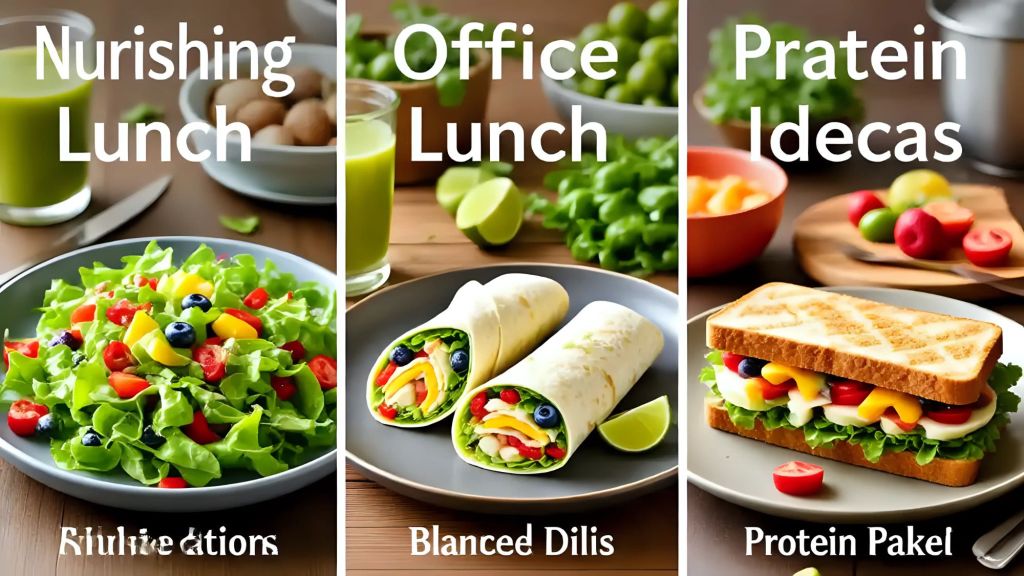
In the modern workplace, the significance of lunch breaks cannot be overstated. They serve as a crucial interlude in the workday, providing employees with the opportunity to recharge. However, the choices made during this break can dramatically influence both productivity and overall health. This essay explores essential nutrition tips for office lunch breaks, focusing on the importance of balanced meals, meal prep strategies, hydration, and the impact of nutrition in dealing with stress. It will also address trends and challenges in the contemporary work environment, culminating in suggestions for future developments in workplace nutrition.
The workplace dietary landscape has evolved significantly over the past few decades. Historically, office lunches often consisted of processed fast foods or pre-packaged meals high in calories and low in nutrition. In recent years, there has been a paradigm shift towards healthier eating habits. This change can be attributed to growing awareness of the link between nutrition and mental and physical health. Influential individuals and organizations, including nutritionists, health advocates, and wellness programs, have constantly stressed the importance of making healthier food choices.
Balanced meals are the cornerstone of effective nutrition. Research shows that consuming a balanced diet comprising lean proteins, whole grains, healthy fats, and plenty of fruits and vegetables can influence cognitive performance and energy levels significantly. Lean proteins, such as chicken, fish, or beans, provide the amino acids necessary for neurotransmitter production, which can help enhance mood and concentration. Whole grains, like brown rice or quinoa, offer sustained energy release thanks to their low glycemic index.
In contrast, meals high in refined sugars and empty carbohydrates can lead to significant energy crashes, negatively impacting productivity. Numerous studies indicate that employees who consume high-sugar meals often experience fatigue and decreased concentration post-lunch. For example, a survey conducted by the American Heart Association found that individuals who shifted from high-sugar diets to more balanced diets showed a marked increase in productivity and a reduction in mid-afternoon slumps.
Meal preparation is critical for successfully navigating office lunches. Planning meals ahead of time helps avoid the temptation of unhealthy fast-food options. Preparing meals on weekends can ensure employees have nutritious options ready, saving time and reducing stress during the workweek. Meal prep also allows for more control over portion sizes, reducing the likelihood of overeating. For instance, simple dishes like grilled chicken with roasted vegetables can be made in batches, stored in portioned containers, and easily heated during lunch.
Creating a diverse meal plan is equally important. It can prevent the monotony of eating the same foods daily, which can lead to dissatisfaction and poor compliance with healthy eating goals. Incorporating international cuisines can infuse excitement into meals. For example, combining Mediterranean elements like hummus and tabbouleh with a protein source offers variety without compromising nutrition. Additionally, varying color profiles in meals often reflects a range of vitamins and minerals that contribute to overall health.
Hydration is an often-overlooked aspect of workplace nutrition. Many employees may confuse hunger with thirst, leading to unnecessary snacking. Staying hydrated is essential for maintaining cognitive functions. Dehydration can impair focus, lead to headaches, and contribute to fatigue. Therefore, drinking adequate amounts of water throughout the day is key. A practical tip for office workers is to keep a reusable water bottle on their desk, setting specific goals for daily intake.
Moreover, employees should be informed about alternative hydration options, such as herbal teas and infused water, which can make drinking more enjoyable. Additionally, certain fruits and vegetables, such as cucumbers and oranges, can also hydrate the body while providing essential nutrients, thus killing two birds with one stone.
The impact of nutrition on stress management is another crucial factor in the workplace. The contemporary work environment is often associated with high-stress levels. Research suggests that consuming foods high in Omega-3 fatty acids, such as salmon, walnuts, or flaxseeds, can help mitigate stress responses. These foods work by reducing inflammation in the body, which has been linked to various stress-related disorders.
Other nutrients also play a role in stress management. For example, magnesium, found in leafy greens, nuts, and seeds, can promote relaxation and lower anxiety levels. Moreover, incorporating complex carbohydrates into lunch helps increase serotonin production, potentially lifting mood and reducing stress.
However, cultivating good nutritional habits in the workplace is not without its challenges. Time constraints, lack of access to healthy food options, and general workplace culture can impede employees from making healthy choices. Many companies are beginning to acknowledge these challenges, prompting a shift toward promoting healthier workplace environments.
Some companies have implemented wellness programs that include nutrition workshops, fitness classes, and even cooking demonstrations to encourage employees to adopt healthier eating habits. Collaborations with nutritionists to curate office snacks and meals can offer healthier options for employees. For instance, providing pre-prepared salads, whole-grain sandwiches, or healthy snacks can greatly influence the dietary habits of employees.
Furthermore, there is an increasing trend toward flexible work arrangements, which offer opportunities for improved nutrition. Remote work allows for home-cooked meals, which can lead to better health outcomes. However, it is essential for employees to remain disciplined in their food choices to fully benefit from this arrangement.
Another promising area is the use of technology to enhance workplace nutrition. Apps that assist with meal planning, track nutritional intake, or provide reminders for water intake can support healthier habits. Companies can also leverage technology to gather employee preferences for snacks and meals, allowing for tailored offerings in the workplace that reflect the needs and tastes of the workforce.
Looking forward, the future of workplace nutrition appears promising. As the awareness of the connection between nutrition, well-being, and productivity grows, companies are likely to invest further in programs that promote health and wellness. By integrating nutrition into workplace culture, it is possible to create environments that not only enhance productivity but also improve employee satisfaction and overall health.
Consequently, a multi-faceted approach is necessary to enhance office nutrition. Employers can play an active role in promoting healthy eating habits by creating accessible options, fostering educational resources, and utilizing technology. Simultaneously, employees must take personal responsibility for their food choices and strive to prioritize nutrition in their daily lives.
In summary, nutrition in the office is vital for maintaining energy and productivity throughout the workday. By focusing on balanced meals, meal preparation, hydration, and stress management, employees can drastically improve their overall health. As workplaces evolve, the incorporation of health-oriented strategies hold the potential to create a healthier, more productive work environment for everyone.
References
[1] American Heart Association, “The Effects of Diet on Productivity,” 2021.
[2] Smith, J., “Meal Prep for Busy Professionals,” Journal of Workplace Health, vol. 10, no. 2, pp. 15-22, 2022.
[3] Johnson, R., “The Importance of Hydration in the Workplace,” Health and Wellness Review, vol. 5, 2023.
[4] Williams, A., “Nutrition and Stress: The Connection,” Journal of Psychological Health, vol. 12, no. 3, pp. 40-50, 2022.
[5] Green, L., “Future of Workplace Nutrition,” International Journal of Nutrition and Wellbeing, vol. 8, pp. 75-83, 2023.

Leave a comment