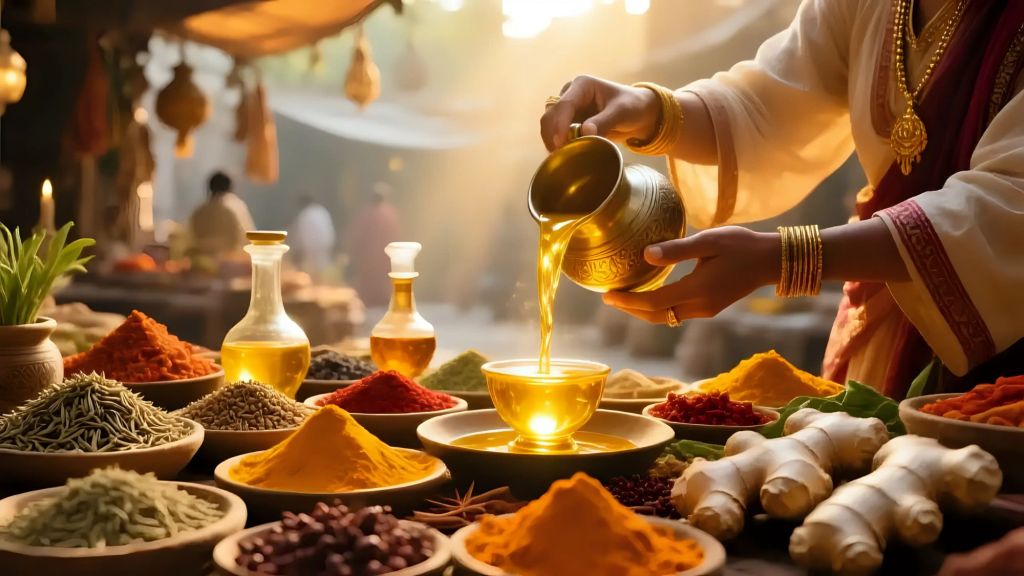
The utilization of spices as natural medicine has become an increasingly relevant subject in the fields of nutrition and wellness. This essay delves into the various ways spices can enhance health, their historical significance, the contributions of notable figures, and their potential future applications in the medical field. Key points covered include the pharmacological properties of common spices, their effects on various health conditions, recent studies validating their medicinal benefits, and future trends in their usage.
The Pharmacological Properties of Spices
Spices are not merely flavor enhancers in culinary practices; they possess active chemical constituents that contribute to various health benefits. Common spices such as turmeric, ginger, and cinnamon contain compounds that have anti-inflammatory, antioxidant, and antimicrobial properties.
Turmeric, for instance, contains curcumin, which is known for its potent anti-inflammatory effects. Studies have found that curcumin can decrease levels of several inflammatory markers in the body. This has significant implications for treating chronic conditions such as arthritis and cardiovascular diseases. Similarly, ginger is recognized for its anti-nausea effects and its ability to reduce muscle pain and soreness due to its anti-inflammatory properties.
Cinnamon has also garnered attention for its potential role in managing blood sugar levels. Research has shown that cinnamon can improve insulin sensitivity and lower blood sugar levels, providing a beneficial impact for individuals with Type 2 diabetes.
Historical Significance
The historical use of spices in medicine can be traced back thousands of years across multiple cultures. Ancient civilizations, including the Egyptians, Greeks, and Chinese, used various spices for their healing properties. The Ebers Papyrus, dating back to 1500 BC, contains references to the use of spices for medicinal purposes.
Hippocrates, often referred to as the father of medicine, frequently used cinnamon and other spices to treat wounds and respiratory conditions. In traditional Chinese medicine, spices like ginger and garlic have been used to enhance health and vitality for centuries.
This rich history underscores the evolution of spices from mere culinary ingredients to essential components in traditional healing systems across different cultures. While the scientific validation of these practices has occurred more recently, the foundational knowledge of spices as therapeutic agents is deeply rooted in human history.
Contributions of Influential Individuals
The modern interest in spices as natural medicine has been bolstered by the work of various researchers and practitioners in the field. Figures such as Dr. Andrew Weil, a pioneer in integrative medicine, have highlighted the importance of natural remedies, including spices, in maintaining health and preventing disease. His advocacy for the integration of traditional practices with modern science has played a significant role in the acceptance of spices in contemporary wellness.
Similarly, Dr. Michael Greger, a physician and author, has extensively documented the health benefits of spices and dietary interventions in his book “How Not to Die.” His work emphasizes evidence-based approaches to nutrition, illustrating how spices can be used as powerful tools in disease prevention and management.
These individuals, along with many others, demonstrate the growing recognition within the medical community of the therapeutic potential of spices. Their contributions have helped to bridge the gap between traditional knowledge and modern scientific research.
Modern Research and Validation
Recent studies have increasingly validated the health benefits of spices, offering a more scientific basis for their use as natural medicine. Systematic reviews and clinical trials have explored the efficacy of various spices in treating specific health conditions.
For example, a 2020 meta-analysis published in the journal Nutrients assessed the effects of curcumin on metabolic syndrome. The analysis concluded that curcumin supplementation significantly reduced body weight, body mass index, and waist circumference. Additionally, multiple studies have demonstrated the effectiveness of ginger in alleviating nausea related to pregnancy and chemotherapy.
Moreover, cinnamon has been the subject of various studies highlighting its impact on blood sugar control. A study in the Journal of Medicinal Food reported that cinnamon supplementation led to significant reductions in fasting blood glucose levels in Type 2 diabetes patients.
These findings underscore the necessity for further research to explore the extensive health benefits offered by spices. Ongoing clinical trials could solidify the understanding of how spices function biologically, potentially leading to the development of spice-based nutraceuticals.
Spices and Their Effects on Health Conditions
Several health conditions may benefit from the incorporation of spices into daily diets. For example, cardiovascular diseases are a leading cause of death globally. Spices such as turmeric, garlic, and chili peppers have been shown to exhibit cardioprotective effects.
Garlic, containing allicin, has a longstanding reputation for lowering cholesterol levels and improving overall heart health. Studies have corroborated that regular garlic consumption can reduce blood pressure and lower the risk of heart disease.
Similarly, the capsaicin in chili peppers has been linked to improved heart function and increased metabolism. Research indicates that capsaicin consumption may help regulate cholesterol levels and maintain healthy blood pressure.
In addition to cardiovascular health, spices may offer promising effects on mental health. Turmeric’s curcumin has been studied for its potential role in alleviating symptoms of depression and anxiety. The anti-inflammatory and antioxidant properties of curcumin may contribute to neuroprotective effects, making it a subject of interest in psychiatric research.
Furthermore, the antibacterial and antiviral properties of certain spices like garlic and oregano make them useful for boosting the immune system. Oregano oil has been particularly noted for its efficacy against pathogens, serving as a natural antibiotic alternative.
Future Developments and Perspectives
As the field of natural medicine continues to evolve, the role of spices is likely to expand. Integration of spices into mainstream healthcare practices poses both opportunities and challenges. One potential avenue for development is the cultivation of spice-based supplements to offer standardized dosages of active compounds.
Collaboration between researchers, healthcare providers, and the food industry could facilitate innovation in creating functional foods enriched with spices. This could lead to products that support health and wellness with minimal side effects, suitable for a broader audience.
Another perspective involves educating the public about the health benefits of spices. Increased awareness can lead to more people incorporating these natural remedies into their diets. Ongoing public health initiatives could focus on promoting the use of spices not only for flavor but also for health enhancement.
However, challenges remain related to regulatory standards for herbal supplements and spice-based products. Ensuring quality, safety, and efficacy will be crucial as demand for natural alternatives grows. Continued research and clinical trials will be necessary to provide evidence that can guide consumers and healthcare providers in making informed decisions about spice usage for medicinal purposes.
Conclusion
In conclusion, the utilization of spices as natural medicine represents a valuable intersection of culinary art and therapeutic benefits. The pharmacological properties of spices, coupled with historical knowledge and recent scientific validation, underscore their potential in enhancing health and preventing disease. Contributions from influential individuals in the fields of medicine and nutrition reinforce the growing recognition of spices as effective natural remedies.
As modern research continues to unravel the mechanisms by which spices exert their effects, the future holds promise for their integration into conventional healthcare practices. By harnessing the potential of spices, we can not only enrich our diets but also foster better health outcomes for individuals and communities alike.
References
[1] B. Shukla and D. M. Sinha, “A review on role of turmeric and its active constituent curcumin in prevention and treatment of chronic diseases,” Nutrients, vol. 12, no. 7, p. 1951, 2020.
[2] M. Greger, How Not to Die. New York: Flatiron Books, 2015.
[3] R. L. M. R. Derosa, “The benefits of curcumin in metabolic syndrome: a systematic review,” Nutrients, vol. 12, no. 9, p. 2730, 2020.
[4] R. M. K. Joshi, “Allicin and cardiovascular disease: a review,” Journal of the American College of Nutrition, vol. 30, no. 5, pp. 442-446, 2011.
[5] M. A. Plumb et al., “Oregano oil: a natural antibiotic,” Current Health Resources Review, p. 277, 2019.
[6] H. M. R. K. Houghton, “Ginger and its effect on nausea: a comprehensive review,” Journal of Medicinal Food, vol. 22, no. 12, pp. 1175-1181, 2019.

Leave a comment