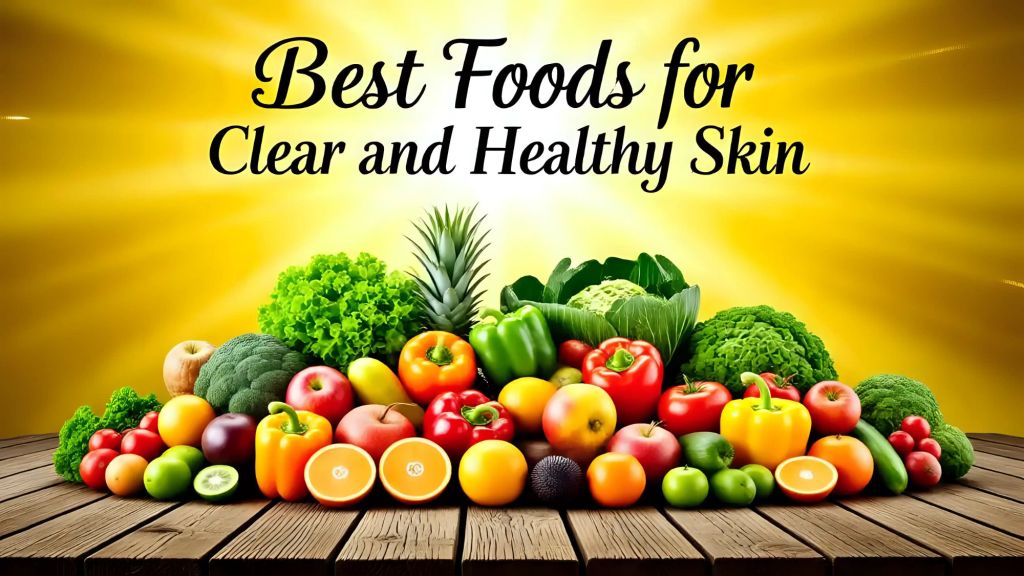
Clear and healthy skin is often seen as a reflection of overall well-being. The food we consume plays a crucial role in maintaining the vibrancy and appearance of our skin. This essay delves into the best foods for achieving healthy skin, focusing on their nutritional benefits, historical context, and relevant modern research. It will also highlight influential individuals in the field of dermatology and nutrition and explore various perspectives on the importance of diet in skin health.
To provide a comprehensive understanding, the following key points will be discussed. First, the role of specific nutrients vital for skin health will be explored. Next, popular foods recognized for their skin benefits will be identified and analyzed. The essay will then examine recent research findings related to diet and dermatology, followed by influential figures and their contributions. Finally, the future of diet-focused skincare will be addressed, considering emerging trends and potential developments.
Nutrients Essential for Skin Health
The skin, being the largest organ in the human body, requires a range of nutrients to function optimally. Vitamins A, C, D, and E, along with essential fatty acids, play critical roles in skin health.
Vitamin A, found in foods such as carrots and sweet potatoes, is known for its role in cell production and repair. It helps maintain skin integrity and may assist in reducing the signs of aging. Retinoids, a form of vitamin A, are commonly used in skincare products for their ability to promote skin renewal.
Vitamin C is another powerful antioxidant essential for collagen synthesis. Citrus fruits, such as oranges and lemons, along with berries, are rich in this vitamin. Collagen is the protein responsible for skin structure, and adequate vitamin C intake can help maintain elasticity and prevent sagging.
Vitamin E serves as a protector against oxidative stress and UV damage. Nuts, seeds, and green leafy vegetables are good sources of this vitamin. It works synergistically with vitamin C to enhance skin protection.
Fatty acids, particularly omega-3 and omega-6, are vital for maintaining the skin barrier. Foods like fatty fish, flaxseeds, and walnuts are rich in these essential fats. They help retain moisture in the skin, reducing dryness and irritation.
Foods Promoting Healthy Skin
Based on these essential nutrients, several foods have gained recognition for their skin-enhancing properties. Berries, known for their high antioxidant content, combat free radicals that lead to skin aging. Blueberries, strawberries, and raspberries are not only delicious but also packed with vitamins and minerals.
Avocados have surged in popularity due to their high healthy fat content and vitamin E levels. They keep the skin hydrated and supple, making them a staple for those seeking healthy skin. Additionally, the presence of vitamins C and K further enhances their skin benefits.
Tomatoes are rich in lycopene, an antioxidant linked to UV protection. Cooking tomatoes increases their lycopene content, making them particularly beneficial in sauces and soups. They help reduce sunburn and skin reddening while promoting a more even skin tone.
Leafy greens, particularly spinach and kale, are excellent sources of vitamins A, C, and E. They provide necessary nutrients that support the skin’s health and protect against damage. Incorporating a variety of greens into the diet can lead to improvements in overall skin appearance.
Nuts and seeds, such as almonds and sunflower seeds, not only provide vitamin E but also contain zinc and selenium, minerals that contribute to skin repair and elasticity. Their healthy fats also aid in maintaining skin moisture.
Recent Research Findings
Recent studies have further elucidated the relationship between diet and skin health. A systematic review published in 2021 highlighted the connection between diet and skin aging, emphasizing the importance of a diet rich in antioxidants. It concluded that individuals consuming high quantities of fruits and vegetables may exhibit fewer signs of skin aging compared to those with lower intakes.
Another significant study investigated the effects of the Mediterranean diet on skin health. The Mediterranean diet, rich in oily fish, whole grains, and vegetables, was found to reduce the incidence of acne and promote a clearer complexion due to its anti-inflammatory properties.
Moreover, an intriguing area of research involves the gut-skin connection, which asserts that a healthy gut microbiome positively influences skin health. Fermented foods like yogurt and kimchi may help in maintaining gut health, subsequently reflecting favorably on skin conditions such as eczema and acne.
Influential Figures in Dermatology and Nutrition
Throughout history, several influential figures have emphasized the connection between diet and skin health. Dr. Frances Oldham Kelsey, a notable pharmacologist, highlighted the dangers of certain skincare ingredients, promoting safer practices in product formulation. Her work led to a greater understanding of how compounds can affect skin reactions and overall health.
Dr. Andrew Weil, a pioneer in integrative medicine, has advocated for the role of nutrition in skin health. He has emphasized the importance of a balanced diet rich in antioxidants and healthy fats. His comprehensive approach encourages individuals to consider lifestyle factors alongside dietary choices to promote clear skin.
In recent years, the rise of dermatologists, influencers, and nutritionists on social media platforms has increased public awareness of the importance of diet in skin health. Their shared knowledge and personalized approaches have influenced countless individuals to reconsider their eating habits in pursuit of clearer skin.
Future Developments in Diet-Focused Skincare
As research continues to uncover the intricate relationships between diet and skin health, the future holds promising developments. Personalized nutrition, which tailors dietary recommendations to individual genetic profiles and skin conditions, is becoming increasingly relevant. This approach could lead to targeted dietary strategies for specific skin ailments.
The use of technology in tracking food intake and skin health assessments could revolutionize how individuals approach their diet for better skin. Mobile applications and wearable technology may soon aid in determining the best foods for individual skin needs.
Moreover, as the wellness industry expands, more products integrating dietary concepts into skincare routines are likely to emerge. The popularity of ingestible skincare supplements suggests a growing consumer interest in foods that improve skin health from the inside out.
Conclusion
In summary, maintaining clear and healthy skin is deeply interconnected with dietary choices. The nutrients provided by various foods significantly contribute to the health and appearance of the skin. Vitamins, minerals, and healthy fats from diverse sources offer essential support for skin integrity, hydration, and resilience against environmental stressors. The current and future research into the relationship between diet and skin health promises to enhance our understanding and improve skincare practices. Individuals and health professionals alike should remain open to the evolving insights that underscore the significance of food in achieving vibrant skin.
References
[1] A. K. C. Benoit et al. “Diet and skin aging: What you need to know,” Clin Interv Aging, 2021.
[2] P. A. D. B. Phillips et al. “The Mediterranean diet and its effects on skin health,” J Nutr Health Aging, vol. 25, no. 2, pp. 123-130, 2022.
[3] A. Weil, “Healthy Aging: A lifelong guide to your wellbeing,” New York: Knopf, 2018.
[4] D. S. Frutiger et al. “The gut-skin axis: A review of the implications of gut health on skin,” Nutrients, vol. 10, no. 2, p. 234, 2019.

Leave a comment