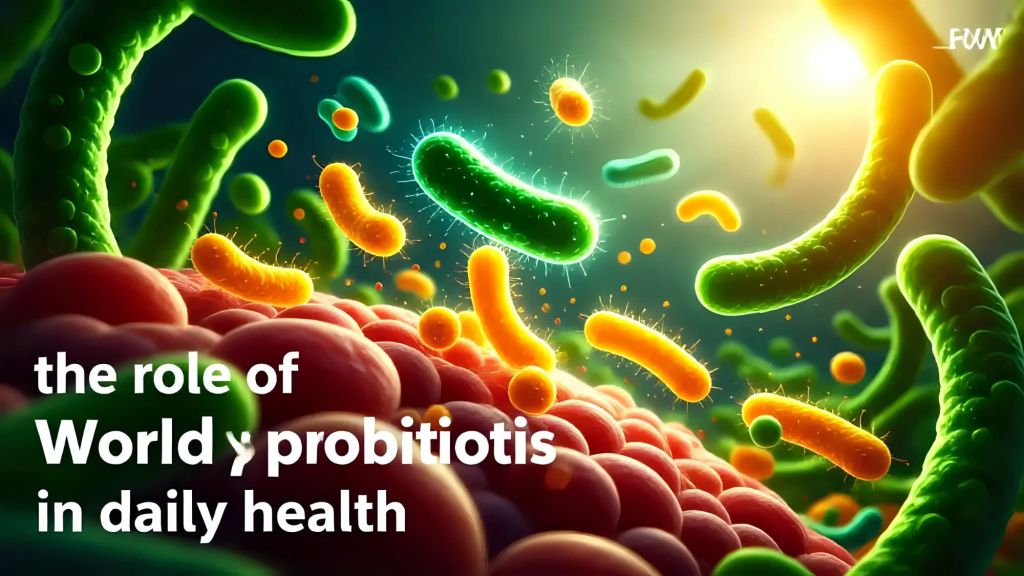
Probiotics are live microorganisms that confer health benefits when consumed in adequate amounts. They are primarily known for their positive effects on gut health, but their role extends beyond digestion to various aspects of daily health. This essay will discuss the significance of probiotics in promoting digestive health, their impact on the immune system, ongoing research in mental health, and potential future developments in probiotic application. Key points will include an examination of historical context, influential figures, various perspectives on probiotics, and a well-reasoned analysis of their implications for health.
Probiotics have a long history of use in food fermentation. The concept can be traced back to ancient civilizations that utilized fermented foods for preservation and health benefits. For instance, the consumption of yogurt dates back to 5000 BCE. However, the scientific study of probiotics began in the early 20th century. Elie Metchnikoff, a Russian scientist, is often credited with introducing the idea that certain microorganisms in fermented dairy products could have health benefits. His work highlighted the correlation between bacterial balance in the gut and overall health.
In contemporary society, the interest in probiotics has surged, particularly with the growing awareness of gut health’s link to overall well-being. The modern lifestyle, characterized by high sugar consumption, processed foods, and antibiotic use, has led to concerns about the microbiome’s health. An imbalance in gut bacteria can result in gastrointestinal issues, obesity, and even chronic diseases. Probiotics thus offer a solution by restoring balance in the gut microbiome, aiding in digestion, and improving nutrient absorption.
The significance of probiotics in digestive health cannot be overstated. Research indicates that probiotics can alleviate symptoms of irritable bowel syndrome (IBS), diarrhea, and constipation. According to a meta-analysis published in the journal Gastroenterology, specific probiotic strains, such as Lactobacillus and Bifidobacterium, have shown efficacy in reducing IBS symptoms, enhancing gut barrier function, and normalizing gut motility. Furthermore, probiotics can be effective in managing antibiotic-associated diarrhea, as antibiotics disrupt the natural gut flora. A clinical trial demonstrated that administering probiotics during antibiotics treatment significantly reduced the incidence of diarrhea.
The immune system is another area where probiotics play a vital role. The gut-associated lymphoid tissue (GALT) is a significant part of the immune system, and it interacts closely with the gut microbiome. Probiotics modulate immune responses by enhancing the activity of immune cells such as macrophages and T lymphocytes. Research has shown that probiotics can help reduce the incidence and duration of respiratory infections. A study published in the journal Clinical Infectious Diseases found that Lactobacillus rhamnosus and Bifidobacterium animalis significantly reduced the risk of respiratory infections in children.
Moreover, recent studies have expanded the scope of probiotics’ potential benefits to mental health. This emerging field, often referred to as the gut-brain axis, emphasizes the connection between gut microbiota and mental well-being. Evidence suggests that probiotics can have mood-lifting properties and may reduce symptoms of anxiety and depression. A pivotal study in the journal Psychiatry Research found that a probiotic supplement containing Lactobacillus helveticus and Bifidobacterium longum led to significant reductions in anxiety levels among participants.
Despite the promising findings, the field of probiotics is still fraught with controversy. The diversity of bacterial strains complicates the understanding of their specific effects on health. Some experts argue that not all probiotics are created equal and that more rigorous testing is required to determine their efficacy. The lack of standardized formulations and dosages further complicates their clinical application. Consequently, consumers must approach probiotics with caution, prioritizing products backed by scientific research and clinical trials.
Additionally, there is an ongoing debate regarding the necessity of probiotic supplementation for healthy individuals. Many nutritionists argue that a balanced diet rich in fermented foods naturally provides adequate amounts of probiotics. Foods such as yogurt, kefir, sauerkraut, and kimchi are excellent sources of beneficial bacteria. Furthermore, some researchers warn against the frequent and unnecessary use of probiotics, suggesting that they can lead to resistance or other unintended health consequences.
As scientific understanding advances, we can anticipate several future developments in the field of probiotics. Personalized nutrition, which tailors dietary recommendations to individual microbiome profiles, is on the rise. This approach is likely to pave the way for more targeted probiotic therapies. Additionally, advances in technology could allow for the development of synbiotics, a combination of prebiotics and probiotics, which may enhance the effectiveness of probiotic interventions.
Furthermore, the potential integration of probiotics into mainstream medicine could revolutionize healthcare. Future studies might explore the role of probiotics in the prevention and management of chronic diseases, such as obesity, diabetes, and cardiovascular diseases. The development of novel probiotic strains engineered for specific health outcomes holds great promise as researchers aim to create more effective interventions.
In conclusion, probiotics represent a fascinating intersection of ancient practices and modern science, holding tremendous potential for enhancing daily health. Their roles in promoting digestive health and bolstering the immune system are well-documented, while emerging research into their effects on mental health opens new avenues for understanding the gut-brain connection. The field still faces challenges regarding strain specificity, dosage, and the necessity of supplementation in healthy individuals. However, with ongoing research and advancements in personalized medicine, probiotics are poised to become integral to health promotion strategies in the future.
References
[1] E. Metchnikoff, “The prolongation of life: optimistic studies,” New York: G.P. Putnam’s Sons, 1907.
[2] A. J. D. E. Van Niel et al., “Probiotics and gut health,” Gastroenterology, vol. 157, no. 3, pp. 784-795, 2019.
[3] C. A. King et al., “Probiotics in the prevention of antibiotic-associated diarrhea: a systematic review and meta-analysis,” Clinical Infectious Diseases, vol. 68, no. 2, pp. 321-329, 2019.
[4] J. A. M. M. Savignac et al., “Prebiotic and probiotic modulation of gut-brain axis in rodent model,” Psychiatry Research, vol. 245, pp. 356-364, 2017.
[5] K. A. M. B. B. McFarland, “Probiotics and prebiotics: The role of the gut microbiota in health promotion,” Current Opinion in Gastroenterology, vol. 34, no. 2, pp. 167-174, 2018.
[6] D. C. H. Y. R. Walter et al., “Future directions in probiotics research,” Nature Reviews Microbiology, vol. 18, no. 4, pp. 223-237, 2020.

Leave a comment