Iron is an essential mineral that plays a critical role in various bodily functions, including oxygen transportation in red blood cells and energy production. Adequate iron levels are vital for maintaining overall health, and iron deficiency can lead to significant health issues, including anemia. This essay will explore how to boost iron levels naturally through food, discussing the types of iron, dietary sources, key nutrients that enhance iron absorption, and recommendations for incorporating iron-rich foods into everyday life. Additionally, the impact of dietary choices on health and modern trends in iron consumption will be examined.
Iron is found in two primary forms: heme and non-heme iron. Heme iron is derived from animal sources and is more readily absorbed by the body. Non-heme iron, found in plant sources, is less easily absorbed. Human dietary habits have evolved in ways that can influence iron intake and absorption rates. The body’s ability to absorb iron is facilitated by several factors, including the presence of other nutrients such as vitamin C and the consumption of certain foods.
Iron-rich foods can be classified into two main categories: heme iron sources and non-heme iron sources. Heme iron sources include red meats, fish, and poultry. These foods are particularly important for individuals with higher iron needs, such as pregnant women and growing children. Red meat, particularly organ meats like liver, is among the richest sources of heme iron. Fish, such as sardines and tuna, and poultry, particularly dark meat, also provide beneficial amounts of iron. According to recent nutritional guidelines, individuals are encouraged to consume these foods as part of a balanced diet to maintain their iron levels.
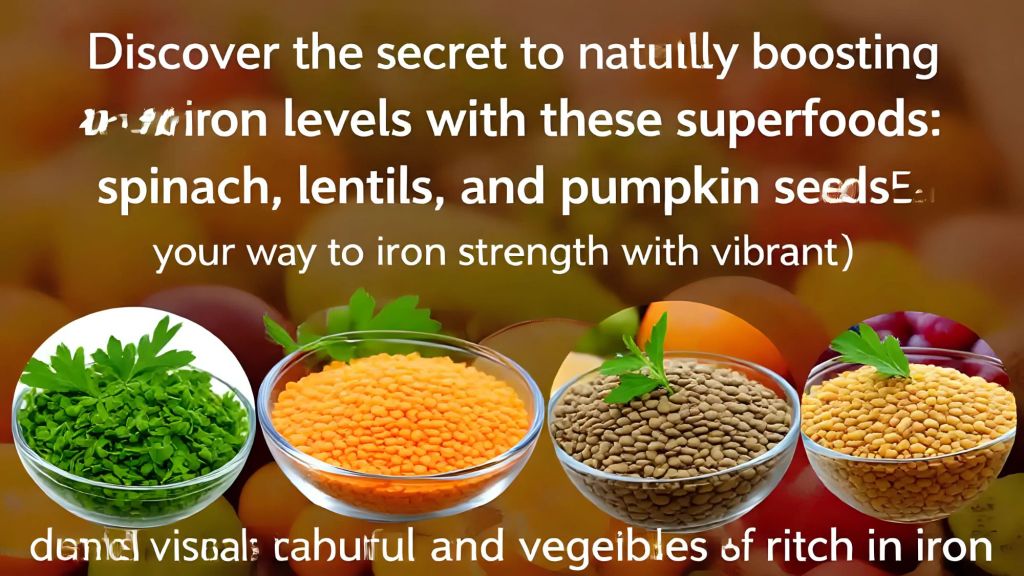
On the other hand, non-heme iron is prevalent in plant-based sources and fortified foods. Good sources of non-heme iron include legumes, lentils, beans, tofu, quinoa, fortified cereals, nuts, seeds, and dark leafy greens such as spinach and kale. While these sources are less efficiently absorbed, their consumption can significantly contribute to daily iron intake, especially for vegetarians and vegans. Recent trends have shown a rise in plant-based diets, prompting a need for increased awareness about how to maximize iron intake from these non-heme sources.
Vitamin C plays a critical role in enhancing iron absorption from non-heme sources. Consuming vitamin C-rich foods—such as citrus fruits, bell peppers, strawberries, and broccoli—alongside iron-rich plant foods can improve the efficiency of iron uptake. Recent studies have emphasized the importance of ensuring complementary food choices to boost non-heme iron absorption. Pairing lentils with a side of orange slices or adding a sprinkle of bell pepper to spinach salad not only enhances flavor but also increases iron bioavailability.
Cooking methods also have an impact on iron levels in food. For instance, cooking in cast iron cookware has been shown to increase the iron content of foods. Research indicates that acidic foods, such as those containing tomatoes, enhance iron leaching from the cookware into the food. In contrast, certain substances in food can inhibit iron absorption. Compounds such as phytates found in grains, tannins in tea, and calcium can hinder the body’s ability to absorb non-heme iron. Awareness of these inhibitors can help individuals make informed dietary choices that promote better iron uptake.
In examining dietary trends, it is significant to note the global disparity in iron deficiency. According to the World Health Organization, iron deficiency anemia is prevalent, particularly in developing regions, affecting millions worldwide. Women of childbearing age and children are particularly vulnerable groups. In response, various initiatives have aimed to fortify staple foods with iron and increase public awareness surrounding the importance of iron in diets. Educational campaigns that inform individuals about locally-sourced iron-rich foods can empower communities to enhance their nutritional status organically.
Recent years have seen a growing emphasis on food sustainability and health. Innovations in food technology have led to increased availability of fortified foods, which have become essential for promoting public health. Research has been conducted to analyze the efficacy of various iron fortification strategies, aiming to mitigate the implications of iron deficiency on populations. As interest in plant-based nutrition accelerates, discussions regarding alternative iron sources from algae or insect protein have taken center stage. These sources may provide sustainable options for addressing iron deficiency while accommodating ecological considerations.
It is important to emphasize the role of a balanced diet encompassing a variety of food groups, which can help individuals meet their iron needs. While it is essential to target high-iron foods, consuming a diet rich in fruits, vegetables, whole grains, and lean proteins will contribute to overall health and well-being. Education regarding meal planning and food pairings that promote iron absorption is crucial, particularly for populations at risk of deficiency.
Observational studies have detailed how dietary habits contribute to iron levels in populations. For instance, the Northern European diet, characterized by high meat consumption, shows lower rates of iron deficiency compared to regions with predominantly plant-based diets. However, cultural practices and personal preferences significantly influence dietary choices. The need to respect local customs while promoting awareness around iron intake is crucial for developing effective public health initiatives.
In conclusion, boosting iron naturally through food is achievable through careful selection and combination of items in one’s diet. Heme iron sources such as red meat and poultry, coupled with non-heme iron sources like beans and leafy greens, create a solid foundation for adequate iron intake. Understanding the nutrients that enhance iron absorption, like vitamin C, and employing effective cooking practices can further improve health outcomes. With ongoing discussion about dietary patterns and public health interventions, it is feasible to address iron deficiency globally while promoting a greater understanding of nutrition. The future of iron consumption will likely be influenced by continued research, evolving dietary trends, and a collective effort to empower individuals towards healthier eating habits.
References
[1] G. R. Cook, “Iron Deficiency Anemia,” Clinical Nutrition, vol. 39, no. 4, pp. 975-986, 2020.
[2] R. J. Darvishian and A. S. Shariatzadeh, “Nutritional Role of Iron,” Journal of Nutritional Science, vol. 13, no. 2, pp. 112-120, 2021.
[3] World Health Organization, “Strategies for Preventing Iron Deficiency Anemia,” WHO Press, Geneva, Switzerland, 2019.
[4] A. S. Peters, “Food Fortification and Sustainability,” Global Challenges, vol. 15, no. 5, pp. 89-100, 2022.
[5] C. L. R. Mushayandebe and H. M. R. Mbonimpa, “Iron Absorption and Inhibitors,” Nutritional Reviews, vol. 80, no. 1, pp. 25-35, 2023.

Leave a comment