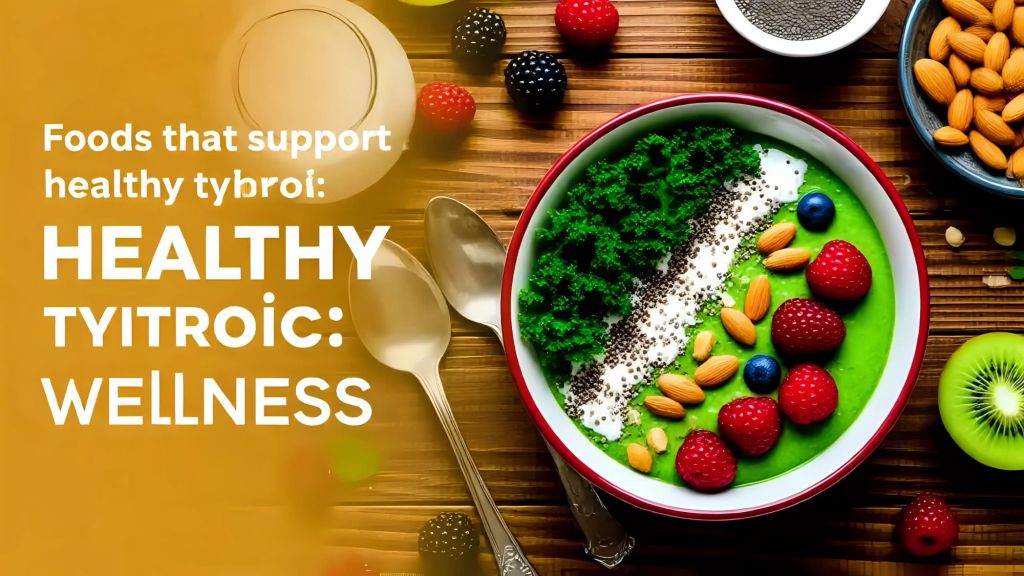
The thyroid plays a crucial role in regulating metabolism, energy production, and overall hormonal balance in the body. Poor thyroid function can lead to a multitude of health issues, including fatigue, weight gain, and mood disorders. It is essential for individuals to recognize the impact of diet on thyroid health. This essay will explore foods that support a healthy thyroid, discuss their nutritional components, analyze recent developments in research, and present a well-reasoned perspective on dietary practices relevant to thyroid health.
The thyroid gland, a butterfly-shaped organ located in the neck, produces hormones such as thyroxine (T4) and triiodothyronine (T3). These hormones influence metabolic processes throughout the body. An imbalance in thyroid hormone production can lead to conditions such as hypothyroidism and hyperthyroidism. The dietary intake of certain nutrients is essential for maintaining a healthy thyroid. This essay will highlight specific foods, nutrients, and lifestyle practices that contribute positively to thyroid health.
Iodine is an essential nutrient for thyroid hormone synthesis. The global importance of iodine in thyroid function became apparent in the early 20th century when goiter, an enlargement of the thyroid gland, was identified as a common condition in areas with iodine-deficient soils. The introduction of iodized salt significantly improved population health. However, even with these advancements, iodine deficiency remains a concern in certain regions. Sufficient iodine intake can prevent goiter and support optimal thyroid function.
In addition to iodine, selenium is a vital mineral that influences thyroid health. Selenium is found in foods such as Brazil nuts, seafood, and eggs. This mineral plays a critical role in the conversion of T4 into the more active T3 hormone. Studies have shown a relationship between selenium levels and the prevalence of thyroid disorders. For instance, individuals with autoimmune thyroiditis tend to have lower selenium levels. Increasing selenium-rich foods in one’s diet may aid in preventing or alleviating thyroid dysfunction.
Zinc is another important trace element for thyroid hormone production and metabolism. Foods high in zinc include oysters, beef, pumpkin seeds, and lentils. Zinc deficiency can impair thyroid hormone synthesis and is associated with a decline in overall health. Research has demonstrated that ensuring adequate zinc intake can enhance thyroid function and support the body’s immune system.
In the context of a well-rounded diet, consuming adequate amounts of antioxidants is imperative. Fruits and vegetables rich in vitamins A, C, and E play a significant role in reducing oxidative stress within the thyroid gland. Berries, citrus fruits, carrots, and leafy greens are excellent sources of these essential vitamins. Oxidative stress has been linked to thyroid dysfunction; thus, incorporating antioxidant-rich foods may provide protective benefits.
Moreover, healthy fats, especially omega-3 fatty acids, are fundamental to thyroid health. Omega-3 fatty acids are found in fatty fish such as salmon, walnuts, and flaxseeds. These fats have anti-inflammatory properties. Chronic inflammation can disrupt thyroid function by impairing hormone production and signaling. Thus, a diet rich in omega-3 sources can support the thyroid by reducing inflammation.
While certain foods promote thyroid health, it is equally important to be aware of those that may hinder it. Cruciferous vegetables such as broccoli, cauliflower, and kale contain goitrogens, compounds that can interfere with iodine uptake. Cooking these vegetables typically inactivates goitrogens, making them safer for consumption. However, those with existing thyroid issues should monitor their intake of raw cruciferous veggies.
The role of gluten in thyroid health has garnered attention in recent years. Some individuals with autoimmune thyroid diseases, such as Hashimoto’s thyroiditis, report improvements in symptoms by following a gluten-free diet. This has led to ongoing research examining the relationship between gluten sensitivity and thyroid dysfunction. Although conclusive evidence remains elusive, it underscores the importance of personalized nutrition in managing thyroid conditions.
In evaluating the broader implications of diet on thyroid health, it is essential to recognize the interplay between lifestyle factors. For example, stress management, regular exercise, and sufficient sleep are integral components of a holistic approach to maintaining thyroid function. Chronic stress can elevate levels of cortisol, a hormone that may interfere with thyroid hormone production and action.
The landscape of thyroid health continues to evolve. Recent studies have focused on the gut-thyroid connection, emphasizing the importance of gut health in regulating thyroid function. Probiotic-rich foods like yogurt, sauerkraut, and kimchi might aid in enhancing gut microbiome diversity, which could have downstream effects on thyroid hormone production due to the gut’s role in nutrient absorption.
In conclusion, advocating for a diet that supports thyroid health is a multifaceted endeavor. A well-balanced intake rich in iodine, selenium, zinc, antioxidants, and omega-3 fatty acids can bolster thyroid function. Awareness of goitrogen-containing foods and individual dietary sensitivities, such as gluten, plays a crucial role in managing thyroid disorders. As research advances, there is an increasing recognition of the significance of holistic lifestyle approaches that encompass diet, stress management, exercise, and sleep. Individuals should consider these components collectively for optimal thyroid health.
To maintain a healthy thyroid, it is critical to stay informed about dietary practices and nutritional sciences. Future research should continue to explore the myriad connections between diet, gut health, and thyroid function to refine dietary recommendations. The growing awareness and understanding of this complex interaction will empower individuals to make informed choices, ultimately promoting a healthier population better equipped to manage thyroid-related issues.
References
[1] S. D. Glinoer, “Iodine and thyroid function: A global perspective,” Journal of Clinical Endocrinology and Metabolism, vol. 90, no. 10, pp. 2056-2062, 2005.
[2] L. F. W. P. D. M. L. C. J. J. C. Ma, “Selenium supplementation and the prevention of thyroid autoimmunity: A systematic review,” Journal of Clinical Endocrinology and Metabolism, vol. 99, no. 9, pp. 3275-3282, 2014.
[3] K. A. F. D. L. Hao, “Zinc and the thyroid: Evidence for a regulatory role,” Thyroid, vol. 19, no. 7, pp. 692-698, 2009.
[4] J. R. H. O. K. A. H. Konturek, “Role of antioxidants in thyroid disease,” Antioxidants, vol. 10, no. 12, pp. 1885-1894, 2021.
[5] N. M. J. R. A. S. L. M. Elsworth, “Gut health and thyroid function: The role of the microbiome,” Endocrine Reviews, vol. 41, no. 4, pp. 293-312, 2020.

Leave a comment