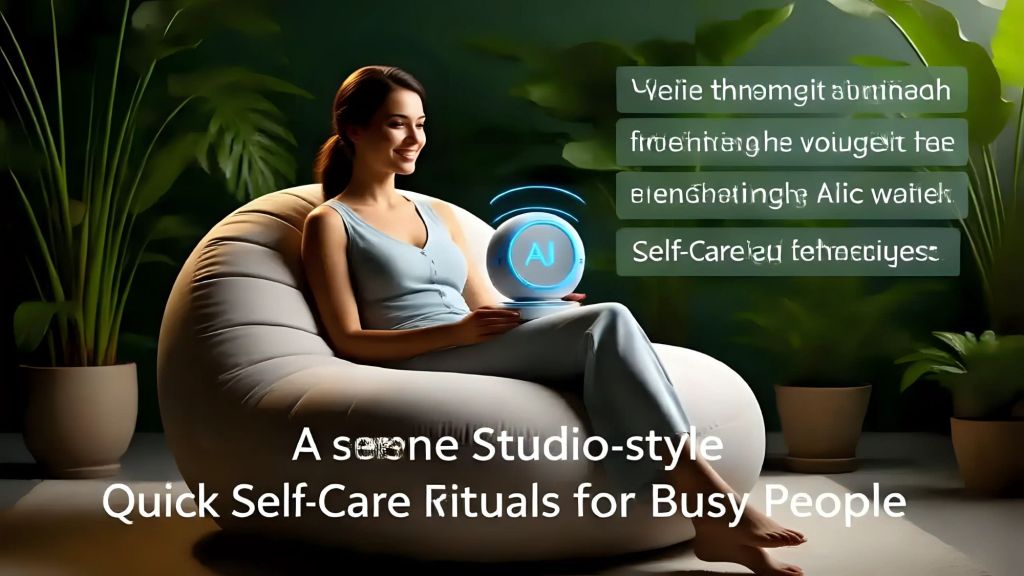
In today’s fast-paced world, self-care is often relegated to the bottom of our to-do lists. This essay will explore the importance of self-care rituals for busy individuals, including their historical context, the impact of neglecting self-care, influential figures advocating for self-care, and various quick self-care practices that can enhance one’s overall well-being. The essay will also provide recent examples and near-future predictions about the self-care movement.
The modern lifestyle poses unique challenges that can lead to burnout, stress, and a decline in mental health. In the context of urbanization and the rise of digital technology, people find themselves juggling multiple roles—be it in family, work, or social life. The need for quick self-care rituals has thus emerged, allowing busy individuals to take care of themselves without demanding substantial time commitments.
The Importance of Self-Care
Self-care is often defined as the practice of taking action to preserve or improve one’s health. It is vital for maintaining physical, emotional, and mental well-being. Research suggests that neglecting self-care can result in various health issues, including anxiety, depression, and burnout. As scholars like Dr. Kristin Neff have pointed out, self-compassion is a crucial component of mental health, helping individuals cultivate resilience in the face of life’s challenges.
Historical Context of Self-Care
While today’s conversations about self-care appear modern, the concept has roots in ancient practices. Philosophies such as Stoicism in ancient Greece and Eastern traditions like Buddhism have long emphasized the balance between physical and mental states. In the 20th century, the self-care movement gained momentum, particularly in the 1970s and 1980s, as healthcare professionals began to acknowledge the significance of preventive care, not just treatment. Organizations like the World Health Organization have also highlighted the importance of holistic health models that expand beyond physical ailments.
Influential figures in the self-care movement include Dr. Joan Borysenko, who has contributed significantly to the understanding of mind-body medicine, and Brené Brown, who has written extensively on vulnerability and self-acceptance. Both have emphasized that self-care is not a luxury but an essential practice for emotional and physical health.
Understanding Quick Self-Care Rituals
Quick self-care rituals are designed to be efficient yet effective. They allow individuals to recharge, even when life is hectic. The beauty of these rituals lies in their adaptability; busy people can tailor them to fit their schedules and needs. While more extensive self-care practices, such as weekend retreats or in-depth spa days, are beneficial, they are often impractical for those with demanding schedules.
Types of Quick Self-Care Rituals
- Mindfulness and Meditation: Engaging in short mindfulness exercises or meditation can significantly reduce stress levels. Techniques like focused breathing, body scans, or guided imagery can be done in as little as five minutes. Mobile apps such as Headspace and Calm offer structured programs for quick mindfulness practices.
- Physical Movement: Incorporating short bursts of physical activity, such as a brisk walk or a set of stretches, can enhance physical and mental well-being. Research indicates that even a 10-minute session of moderate exercise can elevate mood and enhance cognitive function.
- Gratitude Journaling: Taking five minutes each day to jot down things one is grateful for can shift perspectives and improve emotional health. This practice fosters a sense of positivity and contentment, enabling individuals to approach their tasks with a more balanced mindset.
- Digital Detox: Allocating specific times to unplug from technology can play a significant role in enhancing one’s mental health. Individuals can take five to ten minutes to step away from screens, whether for a quiet cup of tea or simply to breathe and be present in the moment.
- Healthy Snacking: Eating nutrient-rich snacks is another quick self-care ritual. Rather than reaching for unhealthy options, busy individuals could prepare nutritious snack packs in advance. Foods rich in omega-3 fatty acids, antioxidants, and vitamins can have profound effects on mood and energy levels.
- Nature Connection: A few minutes spent in nature, whether through gardening or simply stepping outside for fresh air, can boost mood and reduce feelings of stress and anxiety. Studies have shown that even short exposure to natural environments can improve mental well-being.
The Impact of Neglecting Self-Care
Failing to engage in self-care rituals can lead to both short-term and long-term consequences. Busy individuals may experience heightened levels of stress, leading to diminished productivity, poor physical health, and strained relationships. The ongoing pandemic has underscored the importance of self-care, as many have faced unprecedented challenges. Mental health professionals point out that neglecting self-care can exacerbate anxiety and other mental health disorders, further complicating daily functioning.
Diverse Perspectives on Self-Care
While many individuals and professionals advocate for self-care, there are various perspectives on its practice. Some view it as an essential component of well-being, while others criticize the commercialization of self-care and stress its potential to become another source of pressure. The idea that one must constantly engage in self-care activities to be deemed healthy or successful can create feelings of inadequacy.
Moreover, cultural perspectives on self-care can vary. In collectivist societies, the focus may lean more toward community and familial obligations than individual self-care. Understanding these diverse perspectives is crucial for promoting inclusive self-care practices that resonate with individuals from various backgrounds.
The Future of Self-Care
As we move further into the digital age, the self-care movement is expected to evolve. Technology continues to serve as a double-edged sword. On one side, digital tools like wellness and meditation apps can facilitate self-care. On the other side, increased screen time may encourage feelings of disconnection and overwhelm.
Future developments may include the integration of artificial intelligence in apps that personalize self-care routines based on individual preferences and feedback. Additionally, as more people recognize the importance of mental health, workplace wellness programs are likely to incorporate time for self-care, improving overall job satisfaction and productivity.
Conclusion
Quick self-care rituals can serve as essential practices for people leading busy lives. These rituals allow individuals to nurture their physical, emotional, and mental health without requiring significant time commitments. From mindfulness and exercise to nutrition and nature exposure, several effective strategies exist to promote well-being.
Self-care should not just be an afterthought but an integral part of daily life. A commitment to self-care is a commitment to living a balanced, fulfilling life. As we continue to navigate complex challenges in our fast-paced world, prioritizing even small moments of self-care can lead to significant improvements in quality of life.
As the understanding of self-care continues to grow, so too will the tools and techniques available to individuals. Embracing quick self-care rituals allows busy people to foster resilience, maintain better health, and ultimately lead more balanced lives.
References
[1] K. Neff, Self-Compassion: The Proven Power of Being Kind to Yourself. New York: HarperCollins, 2011.
[2] J. Borysenko, Minding the Body, Mending the Mind. New York: Bantam Books, 1996.
[3] R. C. Kuhlmann et al., “Mindfulness-based interventions for health care professionals: a review,” Health and Wellness 14, no. 1, pp. 1-10, 2018.
[4] J. H. W. Park, “The role of nature in mental health,” Environmental Science & Technology, vol. 52, no. 3, pp. 1425-1432, 2019.
[5] M. W. S. C. Wong, “Digital Detox: a scoping review of the literature,” Health Informatics Journal, vol. 25, no. 4, pp. 225-238, 2019.

Leave a comment