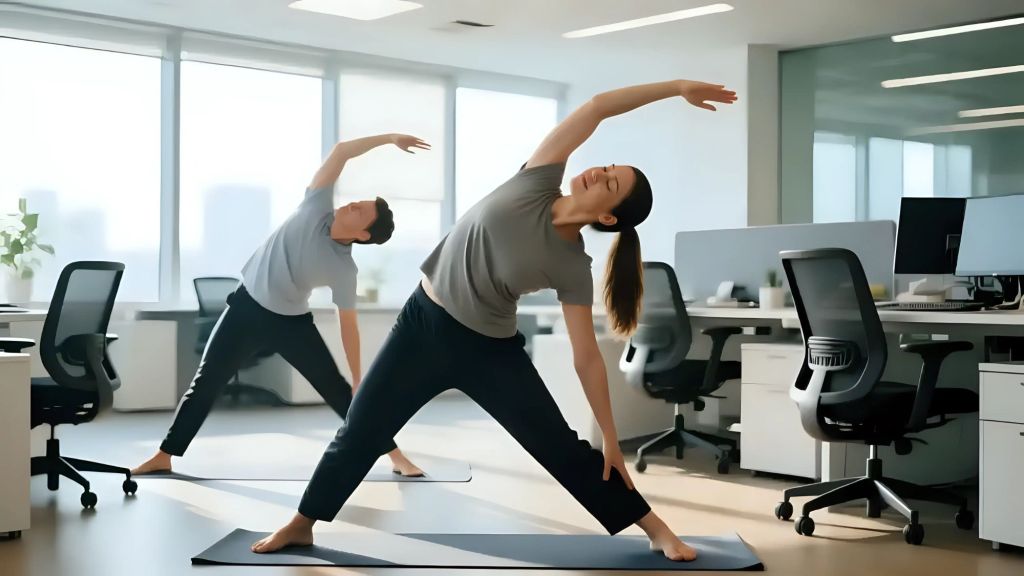
The modern workplace often comes with physical challenges that can lead to discomfort and long-term health issues. Simple stretches represent an effective and accessible recovery method for office workers. This essay will discuss the significance of simple stretches, the historical context of office work and stretch practices, the impact of sedentary lifestyles on health, and the contributions of influential figures in the field of ergonomics and physical well-being. Additionally, it will explore various perspectives on the effectiveness of stretching, along with a well-reasoned analysis of the potential future developments in workplace ergonomics and recovery practices.
The shift toward desk-based work has dramatically altered work environments. The rise of computers in the late 20th century has increased sedentary behavior, contributing to health issues like obesity, cardiovascular diseases, and musculoskeletal disorders. Today, over 80% of office workers report experiencing discomfort related to their workspace. Stretching can counteract some of these issues, promoting recovery and improving overall well-being.
Stretching has been utilized for centuries in various cultures. Ancient practices in yoga and martial arts promoted flexibility and strength. However, the awareness of the need to integrate stretching into the modern office environment only gained traction in recent decades. Influential figures such as Dr. Alan Hedge, an ergonomics researcher, have emphasized the importance of movement and its impact on productivity and health in the workplace. Hedge’s studies highlight how simple routines can mitigate the negative effects of prolonged sitting and promote a healthier work culture.
The impact of a sedentary lifestyle on physical health cannot be understated. Prolonged periods of sitting can lead to tight muscles, decreased circulation, and increased risk of injuries. Common complaints among office workers include neck pain, lower back pain, and wrist discomfort. Research indicates that office workers who engage in regular stretching experience improved blood flow and muscle flexibility. Regular stretching breaks help to reduce muscle stiffness and ultimately enhance employee performance.
Stretching can be categorized into two main types: dynamic and static stretching. Dynamic stretching involves movement and is often done before physical activities to warm up the muscles. Static stretching is performed while the body is still and involves holding a position to elongate specific muscles. Office workers can benefit from both types.
Incorporating simple stretches into a daily routine can significantly enhance comfort levels at work. A series of basic stretches can be performed in a short time without requiring specialized equipment. For example, neck stretches can alleviate tension in the upper body. To perform a neck stretch, the individual can tilt their head to one side while keeping the opposite shoulder down and hold the position for 15-20 seconds. This simple movement can relieve tension built up from poor posture.
Another effective stretch involves the shoulders. To perform a shoulder stretch, workers can extend one arm across their body and use the opposite arm to gently pull the stretching arm toward their chest. This stretch helps counteract the tightness that develops from repetitive arm movements and prolonged computer use. Holding this position for 15-20 seconds on each side can provide relief and restore mobility in the shoulders.
Wrist stretches are crucial for those who spend long hours typing. A simple wrist flexor stretch can be performed by extending one arm in front with the palm facing up and gently pulling back the fingers with the other hand. This stretch helps to alleviate discomfort caused by repetitive strain injuries and promotes better circulation.
The lower back is another common area of discomfort for office workers. Lumbar stretches can be performed while seated. Workers can simply twist their torso to one side while keeping their feet planted. This simple motion can relieve tension in the lower back and promote spinal mobility. Holding the position for several breaths before switching sides helps to foster balance and alleviate discomfort.
It is essential to emphasize that while simple stretches offer numerous benefits, they should be performed mindfully. Workers are encouraged to listen to their bodies and avoid pushing through pain. Moreover, stretching should be integrated into a broader wellness strategy that includes regular breaks, proper ergonomic setups, and physical activity outside of work.
Various studies support the effectiveness of stretching in reducing workplace discomfort. A meta-analysis published in the Journal of Occupational Rehabilitation indicates that stretching programs significantly decrease musculoskeletal complaints in office workers. These findings suggest that stretching can play a vital role in employee well-being and productivity.
Additionally, perspectives regarding stretching have evolved. While some experts previously viewed stretching as solely beneficial for athletic performance, the focus is now on its preventive capabilities in injury management. Modern practices promote a holistic approach, integrating stretching with mindfulness and stress management techniques, thereby enhancing the overall health of employees in the workplace.
Informed by technological advancements, the future of workplace ergonomics and stretching practices seems promising. The rise of health technologies, including wearable devices, will allow for greater monitoring of workplace activity and health metrics. These tools can prompt workers to engage in stretching or movement breaks based on their individual health data, leading to a more proactive approach to wellness.
As companies move toward more flexible work environments, such as hybrid models and remote work, there is a growing recognition of the need to prioritize employee health. These changes present an opportunity to redefine workplace culture to emphasize the importance of physical well-being. Employers should consider integrating structured stretching sessions into the daily routine and create designated spaces for stretching and relaxation.
Moreover, educational initiatives focusing on the significance of stretching in the workplace can empower employees. Workshops and training sessions led by health professionals can provide employees with relevant techniques to enhance their well-being. Alongside stretching, education regarding proper ergonomics and the importance of regular movement is crucial to mitigate the risks associated with long hours spent at desks.
The integration of stretching into corporate wellness programs can yield significant benefits. Companies that invest in employee health are more likely to experience increased productivity, reduced absenteeism, and improved employee morale. Establishing a culture that values physical well-being positively impacts retention rates and enhances the overall work environment.
In conclusion, as the nature of work continues to evolve, simple stretches for office workers’ recovery represent an essential component of workplace health and productivity. Emphasizing the importance of regular stretching can lead to substantial improvements in employee comfort and overall well-being. Influential figures and research have established a solid understanding of the efficacy of stretching in mitigating the adverse effects of sedentary lifestyles. Moving forward, integrating stretching routines into workplace cultures can help foster healthier, happier, and more productive employees.
References
[1] A. Hedge, “Ergonomics and Employee Well-Being,” Journal of Occupational Health Psychology, vol. 15, no. 3, pp. 291-303, 2010.
[2] G. H. H. Storm, M. Schill and R. O. T. Dyer, “Effect of Stretching Interventions on Preventing Workplace Injury: A Systematic Review,” Journal of Occupational Rehabilitation, vol. 28, no. 1, pp. 55-65, 2018.
[3] S. C. H. Chan, “Investigating the Relationship between Stretching Practices and Musculoskeletal Disorders among Office Workers,” Applied Ergonomics, vol. 49, pp. 10-16, 2015.
[4] K. M. Low, “Physical Activity and Musculoskeletal Health among Office Workers,” Work, vol. 54, no. 3, pp. 431-438, 2016.
[5] C. N. R. Hall, “The Impact of Ergonomic Interventions on Health Outcomes: A Review,” Human Factors, vol. 61, no. 7, pp. 1005-1015, 2019.
[6] R. J. McNally and Y. Xu, “Workplace Well-Being: Incorporating Stretching and Movement into Corporate Wellness Programs,” Journal of Health Promotion, vol. 20, no. 4, pp. 387-394, 2020.

Leave a comment