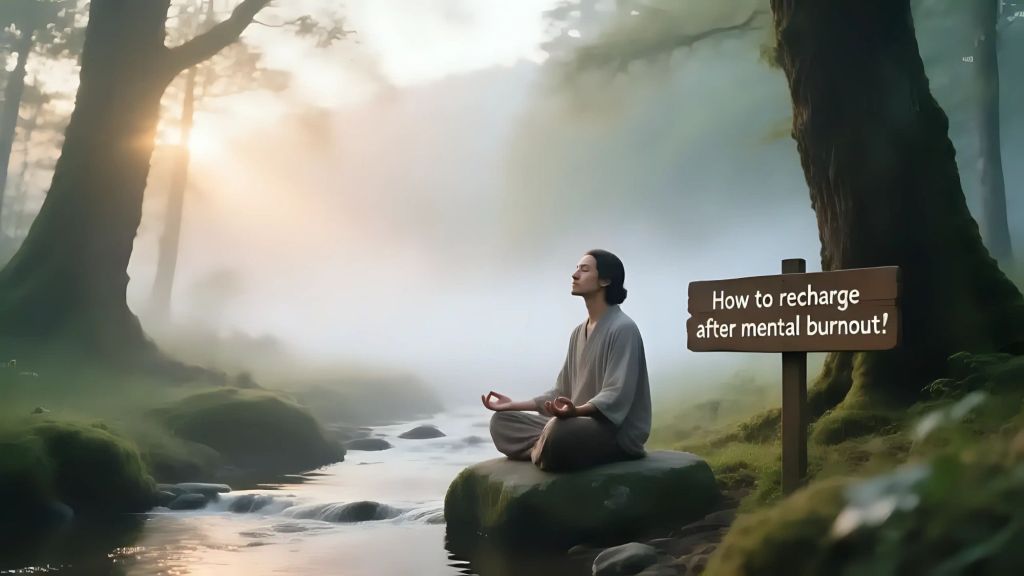
Mental burnout is a state of emotional, physical, and mental exhaustion caused by prolonged and excessive stress. It can manifest in various ways, affecting one’s productivity, emotional stability, and overall well-being. This essay discusses strategies for recharging after mental burnout, the impact of burnout on individuals and organizations, influential contributors to mental health awareness, and the importance of self-care practices. It will also explore various perspectives and potential future developments in addressing mental burnout.
Understanding mental burnout is crucial for effective recovery. Burnout often results from chronic work-related stress, but it can also stem from personal challenges such as family responsibilities or financial difficulties. The World Health Organization recognized burnout in 2019, officially classifying it as an occupational phenomenon that impacts individual health and productivity. In recent years, the need to address mental burnout has gained momentum due to the increasing demands of modern life.
The impact of burnout extends beyond the individual. Organizations face significant costs related to decreased employee productivity, absenteeism, and high turnover rates. Recent studies emphasize that addressing burnout can lead to improved workplace morale, enhanced creativity, and greater organizational commitment. This recognition underscores the importance of recharging after burnout, as effective strategies can help restore an individual’s mental capacity and resilience.
One key figure in the field of mental health is Dr. Maslach, who developed the Maslach Burnout Inventory. This tool assesses burnout levels and has been widely used in research and intervention programs. Her work emphasizes the importance of understanding burnout as a complex phenomenon influenced by personal and organizational factors. Another influential contributor is Dr. Christina Maslach, who argues for the necessity of creating supportive work environments that promote employee well-being to mitigate burnout.
Consequently, various strategies can help individuals recharge after experiencing mental burnout. First, a critical step in recovery is recognizing and acknowledging one’s feelings of burnout. Denial can exacerbate symptoms and hinder effective recovery. Once recognized, individuals can take proactive steps to address their symptoms. Creating boundaries is essential. This involves setting limits on work hours and learning to say no to additional responsibilities. When employees take charge of their work-life balance, it fosters a healthier mental state.
Mindfulness practices have also gained attention for their effectiveness in helping individuals recharge. Techniques such as meditation, deep breathing, and yoga promote relaxation and decrease stress levels. Research indicates that mindfulness can enhance emotional regulation and resilience. Such practices encourage individuals to focus on the present, thus reducing anxiety related to past or future responsibilities.
Moreover, incorporating physical activity into one’s routine can significantly aid in recovery. Exercise promotes the release of endorphins, often referred to as ‘feel-good’ hormones, which can enhance mood and energy levels. Engaging in physical activities, whether through structured workouts or leisure activities, can provide a constructive outlet for stress while improving overall physical health.
Social support plays a pivotal role in recovery from mental burnout. Sharing experiences and feelings with trusted friends or family members can provide a sense of relief and validation. Support groups or therapy can facilitate connections with others who may be experiencing similar challenges, fostering understanding and guidance during the healing process.
Another important perspective involves rediscovering passion and purpose. Often, burnout results from a lack of engagement in one’s work or daily activities. Individuals should take the time to reflect on their interests and values. Engaging in hobbies or pursuing new interests can reignite one’s enthusiasm and motivation, making it easier to recover from burnout.
In recent years, technology has also emerged as a tool for managing mental health. Apps focused on mindfulness, stress management, and even virtual therapy sessions have become more prevalent. These resources offer accessible ways for individuals to find support and engage in self-care practices tailored to their needs. However, it is essential to approach technology with caution; overreliance on digital devices can sometimes lead to increased stress or anxiety.
Future developments in addressing mental burnout may focus on systemic changes within organizations. As more businesses recognize the impact of burnout on employee productivity, mental health initiatives are becoming a priority. Companies are investing in wellness programs, flexible work arrangements, and mental health resources. These efforts can catalyze significant shifts in workplace culture, prioritizing well-being over mere output.
Returning to the individual level, long-term strategies for preventing burnout are essential for sustainable mental health. Building resilience is a crucial factor in mitigating future burnout. Resilience can be developed through various means, including learning coping skills, fostering a positive mindset, and cultivating strong social networks. Education on mental health within schools and workplaces may also play a crucial role in early intervention, equipping individuals with the tools they need to manage stress effectively.
Furthermore, societal perceptions of mental health are evolving. The stigma around discussing mental fatigue and burnout is gradually diminishing. Increased awareness and open discussions surrounding mental health issues enable individuals to seek help without fear of judgment. Initiatives focusing on mental health education can further promote a culture of support and understanding.
In conclusion, recharging after mental burnout requires a comprehensive approach that encompasses personal, social, and organizational strategies. Recognizing burnout as a legitimate issue is the first step toward recovery. With the insights from influential figures in mental health, individuals can adopt specific practices such as mindfulness, exercise, and the quest for purpose. As society continues to address mental health challenges, the move towards creating supportive environments can foster greater resilience and well-being. Future developments should aim to break down barriers, ensuring that individuals can recharge and thrive in both personal and professional arenas.
References
[1] C. Maslach and M. P. Leiter, “Burnout: A Guide to Identifying Burnout and Pathways to Recovery,” Harvard Business Review Press, 2016.
[2] World Health Organization, “Burn-out an “occupational phenomenon”: International Classification of Diseases,” WHO, 2019.
[3] M. A. Goleman, “The Science of Mindfulness and Its Effect on Mental Health: An Overview,” Journal of Psychology and Behavioral Science, vol. 8, no. 2, pp. 25-32, 2020.
[4] A. K. Smith and L. Schwartz, “Workplace Initiatives for Mental Health: A Growing Priority,” Employee Relations, vol. 42, no. 3, pp. 532-548, 2020.
[5] T. S. Lee, “Technology and Mental Health: An Emerging Area of Research,” Computers in Human Behavior, vol. 114, article number 106570, 2021.

Leave a comment