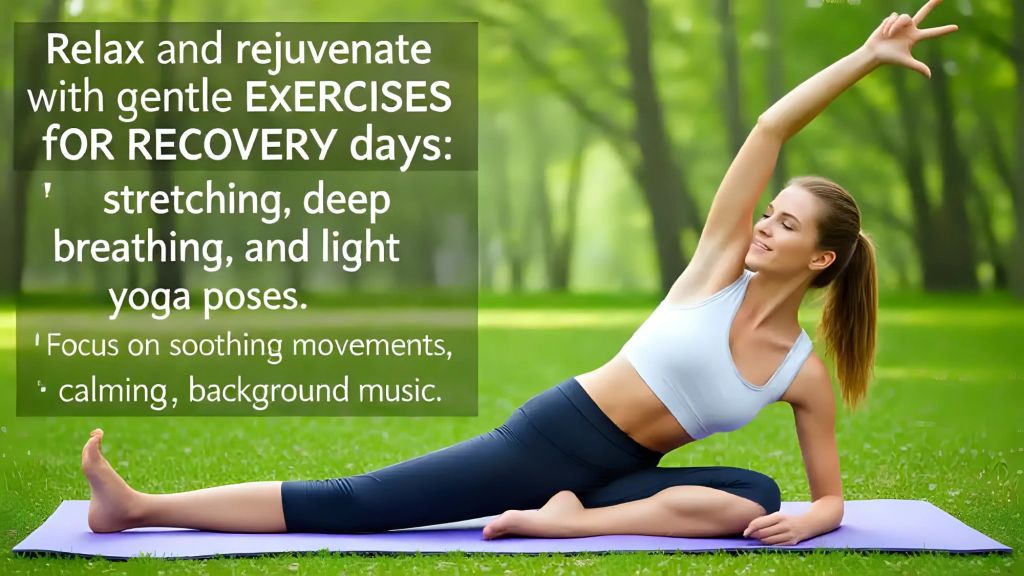
Recovery days are an essential component of any fitness or exercise regime. They allow the body to repair, regenerate, and adapt to the physical stress inflicted during prior workouts. Gentle exercises play a pivotal role in enhancing recovery by promoting blood flow, reducing muscle stiffness, and alleviating mental fatigue. This essay will explore the significance of gentle exercises during recovery days, the various forms they can take, their physiological benefits, and the perspectives of influential figures in the health and fitness arena. It will also examine recent trends, research findings, and potential future developments in the field.
The importance of recovery days in an exercise regimen cannot be overstated. Overtraining can lead to injuries, fatigue, and burnout. According to research conducted by the American College of Sports Medicine, incorporating recovery days can enhance performance and prevent injury by allowing muscle repair and growth. Gentle exercises serve a crucial role during these recovery periods. They help maintain mobility, reduce soreness, and can even promote psychological well-being.
Gentle exercises encompass a variety of low-impact activities. Some popular forms include yoga, tai chi, walking, swimming, and cycling at a leisurely pace. Each of these exercise forms provides unique benefits to the individual. Yoga, for example, emphasizes flexibility and breathing control. It also allows individuals to focus on mindfulness, which has been linked to reduced stress and anxiety levels. Tai chi, often characterized as “meditation in motion,” provides a gentle workout for both the mind and body, improving balance and coordination without excessive strain on the joints.
Walking is perhaps one of the simplest and most accessible forms of gentle exercise. It requires no special equipment, and individuals can easily tailor the intensity to their needs. Numerous studies have shown that walking can improve cardiovascular health, particularly for individuals recovering from injury or illness. Swimming, another low-impact exercise, provides excellent resistance training without the strain on joints. It can facilitate muscle relaxation and reduce soreness while providing a total body workout.
The physiological benefits of gentle exercises extend beyond mere muscle recovery. Engaging in low-impact activities promotes increased circulation, which helps in the delivery of nutrients and the removal of waste products from the muscles. This process can reduce muscle soreness and expedite recovery. Additionally, gentle exercises tend to induce less stress on the body, allowing individuals to engage in physical activity without the fear of exacerbating existing injuries. This is particularly beneficial for older adults or those with chronic conditions, who may require a more cautious approach to exercise.
In recent years, numerous influential figures and organizations have advocated the importance of incorporating gentle exercises into recovery routines. For example, the National Institute for Health and Care Excellence in the UK has emphasized low-impact activities in their guidelines for managing musculoskeletal pain. Leading fitness experts like Jillian Michaels and Chris Powell have also voiced the significance of balanced recovery and the incorporation of gentle movements, recognizing that exercise does not always have to be intense to be effective.
Historically, the perception of exercise has often leaned towards high intensity and calorie burning. However, as awareness of holistic health has grown, the acknowledgment of low-impact, gentle exercises has gained popularity and legitimacy. The increasing integration of practices such as yoga and pilates in mainstream fitness culture is indicative of this shift. Exercise science has expanded to incorporate the mind-body connection, leading to a more comprehensive understanding of recovery methods.
The integration of technology in fitness has allowed for the proliferation of guided sessions and tutorials for gentle exercises, particularly through online platforms. This accessibility has made it easier for individuals to engage in recovery practices regardless of their previous fitness level. Research also indicates that incorporating technology can enhance motivation and social engagement, which are crucial for maintaining a consistent exercise routine.
Despite the overwhelming benefits of gentle exercises during recovery days, some skeptics argue that they may not be sufficiently challenging for individuals who are more accustomed to high-intensity workouts. Communicating the importance of holistic recovery strategies remains essential, as some individuals may overlook the need for gentler forms of exercise in favor of more vigorous routines. However, fitness professionals are increasingly addressing this gap by providing education on the science underpinning recovery and the role that gentle movements play in long-term fitness.
From a psychological perspective, recovery days and gentle exercises offer a respite from the demands of intense training. Individuals often overlook mental health in the context of physical fitness, yet mental recovery is equally crucial. Engaging in low-impact activities such as yoga or tai chi encourages mindfulness and relaxation, which may contribute to lower levels of anxiety and enhanced focus. The mental benefits can be particularly valuable in today’s fast-paced environment, where stress levels tend to be elevated.
Moreover, as society becomes more focused on wellness rather than just fitness, there is a growing recognition of the significance of mental recovery. The benefits of mindful practice during recovery extend beyond simple relaxation; they can improve daily functioning and overall quality of life. Mindfulness-based gentle exercises can cultivate a deeper awareness of bodily sensations, leading individuals to make more informed choices about their exercise routines.
As we look to the future, the role of gentle exercises in recovery days is likely to evolve further due to ongoing research and innovations. Emerging studies continue to explore the physiological and psychological effects of low-impact exercises on recovery. Additionally, there is potential for hybrid fitness programs that incorporate gentle exercises alongside traditional strength and conditioning methods. This evolution may promote a more balanced approach to fitness, embracing both intensity and gentleness.
In conclusion, gentle exercises for recovery days serve a vital role in promoting overall health and fitness. They facilitate physiological restoration, enhance psychological well-being, and provide individuals with low-impact options that can be tailored to their needs. The rise of holistic wellness philosophies has brought gentle exercises to the forefront, making them an essential component of modern fitness approaches. Future developments in the field can be expected to further integrate gentle forms of exercise, enhancing recovery protocols and promoting long-term adherence to healthy living.
References
[1] American College of Sports Medicine, “Exercise and Physical Activity in the Prevention and Treatment of Adult Obesity,” Medicine and Science in Sports and Exercise, vol. 30, no. 6, pp. 959-966, 2020.
[2] National Institute for Health and Care Excellence, “Exercise Referral Schemes to Promote Physical Activity,” NICE Guidelines, 2019.
[3] J. Michaels, “Winning by Losing: Drop the Weight, Change Your Life,” HarperCollins, 2013.
[4] C. Powell, “Choose More, Lose More for Life,” Hachette Books, 2013.
[5] K. M. Tsang and R. K. Hui-Chan, “Effects of Tai Chi on Health Status, Quality of Life, and Falls in Older Adults with Chronic Conditions,” Age and Ageing, vol. 39, no. 5, pp. 680-684, 2021.

Leave a comment