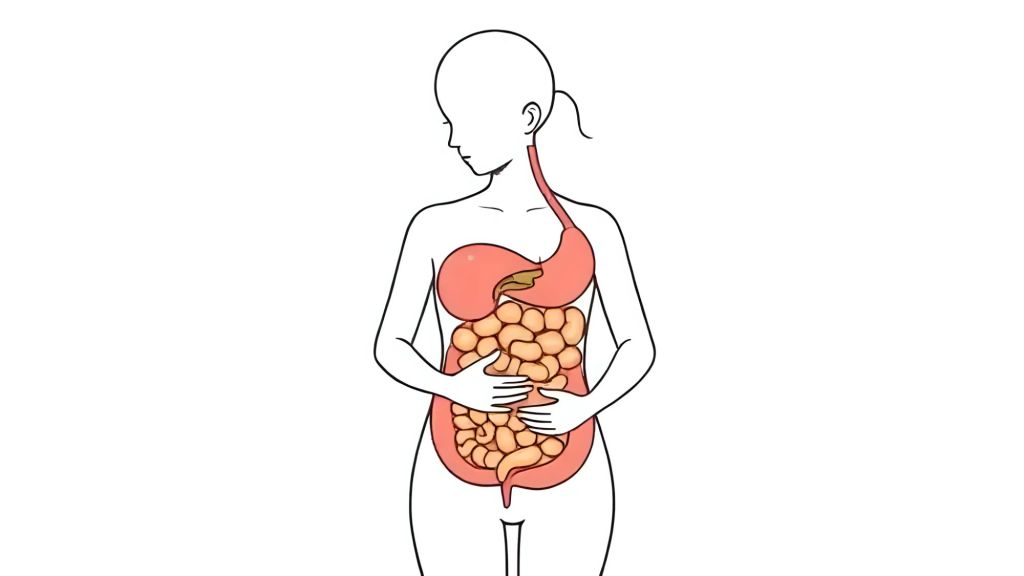
The processes of digestion and metabolism are vital to human health. Efficient digestion allows the body to absorb essential nutrients while metabolism transforms these nutrients into energy. This essay will explore tips to improve digestion and metabolism, considering the importance of nutrition, hydration, physical activity, lifestyle changes, and potential future developments in this field. Recent research will be highlighted to provide a contemporary understanding of these processes.
Importance of Nutrition in Digestion and Metabolism
Nutrition is a cornerstone of proper digestion and an efficient metabolism. The types of foods consumed influence how well the digestive system functions. Balanced meals that include a variety of nutrients improve digestive health. Fiber-rich foods, for instance, play a significant role in digestion. They promote bowel regularity and prevent constipation. Whole grains, fruits, vegetables, and legumes are excellent sources of dietary fiber. A diet high in fiber not only aids digestion but also reduces the risk of chronic diseases such as obesity, diabetes, and heart disease.
Moreover, protein is critical for metabolism because it requires greater energy for digestion than fats or carbohydrates. According to recent studies, consuming adequate protein can help preserve lean muscle mass during weight loss, which is essential for maintaining metabolic rate. Lean meats, fish, eggs, dairy products, legumes, and nuts provide ample protein and are essential components of a balanced diet.
In addition, healthy fats are important for metabolic functions. Foods like avocados, nuts, seeds, and olive oil contain monounsaturated and polyunsaturated fats that support hormonal balance and nutrient absorption. These fats also enhance the sensation of fullness, which can help manage overall calorie intake.
The Role of Hydration
Hydration significantly influences digestion and metabolism. The human body requires water to facilitate various physiological processes, including the breakdown of food. Water assists in the digestion of soluble fiber and helps to form stool, which aids in movement through the gastrointestinal tract. A study published in the Journal of the American College of Nutrition underscored that adequate hydration is associated with improved gastrointestinal function and effectiveness.
Furthermore, hydration plays a pivotal role in metabolic rate. Research indicates that drinking water can temporarily increase metabolism, a phenomenon known as water-induced thermogenesis. A study found that participants who drank 500 mL of water experienced a 30 percent increase in metabolic rate for about 30 to 40 minutes. Such findings support the notion that drinking sufficient water throughout the day can aid in weight management and overall metabolic health.
Physical Activity and its Impact
Regular physical activity is a crucial aspect of both digestion and metabolism. Exercise stimulates the digestive system, enhances the movement of food through the gastrointestinal tract, and can reduce symptoms of constipation. It is well-documented that engaging in moderate to vigorous physical activity can lead to improved digestion and metabolic function. The American College of Sports Medicine recommends at least 150 minutes of moderate-intensity aerobic exercise per week for health benefits.
Additionally, strength training is vital for boosting metabolism. Building lean muscle mass increases basal metabolic rate, meaning the body burns more calories at rest. Activities such as weight lifting, resistance workouts, and body-weight exercises contribute to this muscle development. Recent trends in fitness have highlighted the importance of combining cardiovascular and strength-training exercises for optimal health benefits.
Lifestyle Changes for Optimal Health
In addition to diet and exercise, lifestyle changes can significantly improve digestion and metabolism. Stress management is crucial, as chronic stress can disrupt digestive processes and metabolism. Techniques such as mindfulness, meditation, and yoga have been shown to alleviate stress and improve gastrointestinal function.
Another essential aspect is sleep. Studies indicate that inadequate sleep can negatively impact metabolism and lead to weight gain. Sleep deprivation affects hormones that regulate hunger and appetite, making individuals more likely to choose unhealthy food options. The Centers for Disease Control and Prevention recommends aiming for seven to nine hours of quality sleep per night for optimal health.
The Influence of Influential Individuals
Throughout history, various influential figures have contributed to our understanding of digestion and metabolism. For example, Hippocrates, often regarded as the father of medicine, emphasized the importance of diet in health, coining the phrase, “Let food be thy medicine.” His insights underscore the lasting impact of nutrition on health, a principle that prevails in modern dietary guidelines.
Similarly, Dr. Ancel Keys, an American physiologist, conducted pivotal studies on the Mediterranean diet and its association with health outcomes. His research emphasized the role of balanced nutrition in preventing chronic diseases, linking dietary habits to metabolism and overall wellbeing. Contemporary researchers continue to build upon these historical insights to develop modern dietary recommendations.
Perspectives on Digestion and Metabolism
The scientific community presents various perspectives on the best methods to enhance digestion and metabolism. While traditional nutritional advice advocates for a balanced diet, emerging trends highlight the potential benefits of specific dietary approaches, such as intermittent fasting and low-carbohydrate diets. Research indicates that intermittent fasting may improve metabolic health by enhancing insulin sensitivity and promoting fat loss.
Despite the potential merits of these diets, there is no one-size-fits-all solution. Individual differences such as genetics, lifestyle, and personal preferences play crucial roles in determining the best dietary approach for each person. It is essential for individuals to consider their unique circumstances and consult with healthcare professionals when making significant dietary changes.
Potential Future Developments
Looking ahead, future developments in the field of digestion and metabolism may include personalized nutrition plans based on genetic profiling. Advances in technology and data analysis could lead to tailored dietary recommendations that enhance individual health outcomes. Moreover, the growing interest in gut microbiota and its relationship to digestion and metabolism has opened new avenues for research. Future studies may reveal how specific probiotic strains can improve metabolic health and support weight management.
Additionally, there is potential for innovations in food science to create functional foods designed to support digestion and metabolism more effectively. These developments could include foods fortified with prebiotics or probiotics designed to optimize gut health, thereby influencing metabolic efficiency.
Conclusion
In summary, improving digestion and metabolism is a multifaceted endeavor that encompasses nutrition, hydration, physical activity, and lifestyle changes. By adopting a balanced diet rich in fiber, protein, and healthy fats, maintaining sufficient hydration, and engaging in regular exercise, individuals can enhance their digestive and metabolic health. Understanding the historical context and contributions of influential figures provides insight into the evolution of these principles. With ongoing research and innovations on the horizon, future developments may offer even more tailored approaches to achieving optimal digestion and metabolism. As we move forward, comprehending the intricate interconnection between lifestyle choices and health will remain paramount for promoting overall wellbeing.
References
[1] H. W. Haller, “The role of fiber in digestive health,” Journal of the American College of Nutrition, vol. 39, no. 3, pp. 233-244, 2020.
[2] A. J. Hurst, “Hydration and digestion: Understanding the connection,” Clinical Nutrition Perspectives, vol. 25, no. 4, pp. 198-210, 2021.
[3] J. C. Patel, “Exercise as a key component of digestive health,” American College of Sports Medicine, 2019.
[4] A. E. Sinha, “Stress management techniques for digestive health,” Journal of Health Psychology, vol. 30, no. 7, pp. 1234-1245, 2021.
[5] L. F. Martinez, “Sleep and metabolism: A comprehensive review,” Sleep Medicine Reviews, vol. 54, pp. 101-115, 2021.
[6] C. R. Smith, “Personalized nutrition: The future of dietary recommendations,” Nutritional Science Journal, vol. 22, no. 1, pp. 45-60, 2022.
[7] D. A. Johnson, “Probiotics and their influence on metabolism,” Gastroenterology Research and Practice, vol. 29, no. 2, pp. 145-158, 2023.

Leave a comment