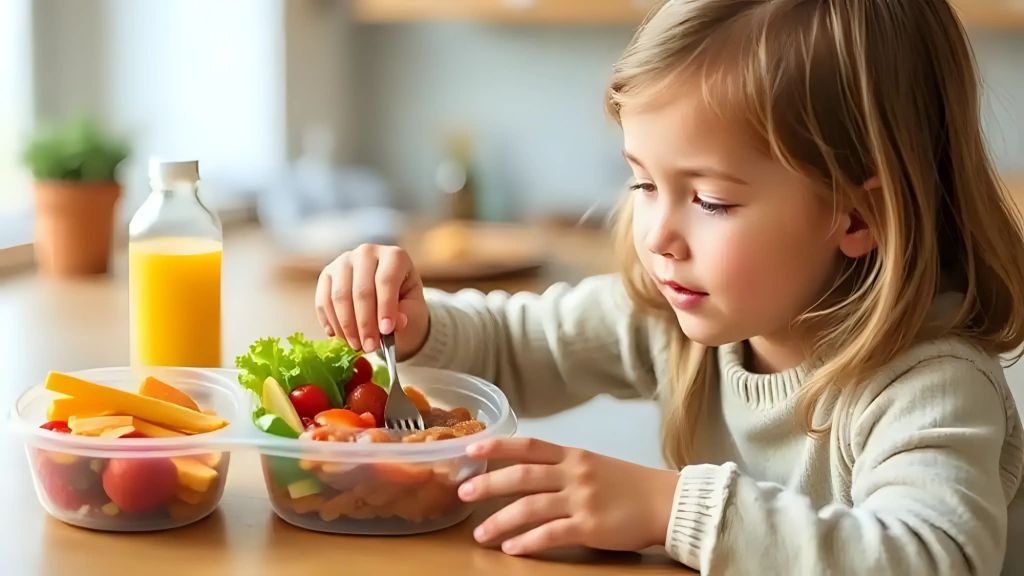
When it comes to ensuring that children are receiving the proper nutrition they need to thrive, preparing healthy lunches is an essential aspect of their daily routine. Healthy lunches can provide children with the energy they need to focus and learn throughout the day, as well as contribute to their overall health and well-being. In order to prepare healthy lunches for kids, there are a variety of strategies and tips that parents and caregivers can utilize.
First and foremost, it is important to include a variety of food groups in a child’s lunch in order to ensure they are receiving a well-rounded meal. This can include incorporating fruits, vegetables, lean proteins, whole grains, and dairy products into their lunches. For example, a healthy lunch for a child could consist of a turkey and cheese sandwich on whole grain bread, carrot sticks with hummus, a piece of fruit, and a low-fat yogurt. By including a variety of food groups, parents can ensure that their child is getting the nutrients they need to stay healthy and active.
In addition to including a variety of food groups, portion control is also important when preparing healthy lunches for kids. It can be easy to overpack a child’s lunch with large portions, which can lead to overeating and weight gain. By using smaller containers or bento boxes to portion out each food item, parents can help to control the amount of food their child is eating. For example, instead of packing a large bag of chips, parents can portion out a small handful of chips into a small container to limit the amount their child is consuming.
Another important aspect of preparing healthy lunches for kids is to involve them in the process. By allowing children to help choose and prepare their own lunches, they are more likely to eat and enjoy them. This can be as simple as having children pick out fruits and vegetables at the grocery store, or as hands-on as helping to assemble sandwiches or pack their own lunchbox. By involving children in the process, parents can empower them to make healthy food choices and develop lifelong healthy eating habits.
Furthermore, it is important to be mindful of any dietary restrictions or allergies that a child may have when preparing their lunch. This can include avoiding common allergens such as peanuts, tree nuts, dairy, or gluten, as well as ensuring that any special dietary needs are accommodated. For example, if a child has a gluten intolerance, parents can opt for gluten-free bread or pasta options in their lunches. By being mindful of dietary restrictions and allergies, parents can ensure that their child is receiving a safe and healthy lunch.
Another important factor to consider when preparing healthy lunches for kids is to make them visually appealing. Children are often more likely to eat foods that are presented in a fun and colorful way. This can include using cookie cutters to shape sandwiches, arranging fruits and vegetables in a visually appealing manner, or including a small treat as a special surprise. By making healthy lunches visually appealing, parents can help to make mealtime more enjoyable for their child.
Additionally, it is important to consider the convenience and ease of preparation when planning healthy lunches for kids. Parents are often busy and may not have a lot of time to spend preparing elaborate lunches. By opting for quick and easy recipes that can be prepared ahead of time, parents can save time and ensure that their child has a healthy meal to enjoy. For example, parents can prepare a batch of homemade granola bars or muffins on the weekend to have on hand throughout the week for quick and easy lunch options.
Furthermore, it is important to be mindful of the nutritional content of the foods being included in a child’s lunch. This can include limiting foods that are high in sugar, salt, and unhealthy fats, as well as prioritizing whole and minimally processed foods. For example, instead of including pre-packaged snacks or sugary drinks, parents can opt for fresh fruits, vegetables, and water as healthier alternatives. By prioritizing nutritious foods, parents can help to ensure that their child is receiving the vitamins and minerals they need to thrive.
Another important consideration when preparing healthy lunches for kids is to be mindful of portion sizes and caloric intake. Children have smaller stomachs and may not need as much food as adults. By being mindful of portion sizes and limiting high-calorie foods, parents can help to prevent overeating and weight gain in their children. This can include using measuring cups or scales to portion out foods, as well as being mindful of portion sizes when serving meals.
In addition to being mindful of portion sizes, it is important to prioritize hydration when preparing healthy lunches for kids. Children often forget to drink enough water throughout the day, which can lead to dehydration and fatigue. By including a water bottle or thermos of water in their lunch, parents can help to ensure that their child stays hydrated and focused throughout the day. This can also help to prevent children from consuming sugary drinks or sodas as alternative beverages.
Furthermore, it is important to consider the environmental impact of the foods being included in a child’s lunch. By opting for sustainable and eco-friendly packaging options, parents can help to reduce waste and promote environmental sustainability. This can include using reusable containers, water bottles, and cutlery, as well as opting for locally sourced and organic foods when possible. By making environmentally conscious choices, parents can help to instill a sense of responsibility and stewardship in their children.
Another important aspect of preparing healthy lunches for kids is to be mindful of food safety and proper storage. It is essential to ensure that perishable foods are stored at the proper temperature to prevent spoilage and foodborne illness. This can include using insulated lunch bags or coolers to keep foods cold, as well as ensuring that hot foods are kept warm until lunchtime. By following proper food safety guidelines, parents can help to ensure that their child’s lunch is safe to eat.
Additionally, it is important to consider cultural and familial preferences when preparing healthy lunches for kids. Children may have specific cultural or familial food preferences that should be taken into account when planning their meals. By incorporating foods that are familiar and culturally relevant to a child, parents can help to ensure that their child enjoys and eats their lunch. This can include traditional dishes, flavors, or ingredients that are meaningful to a child’s cultural background.
Moreover, it is important to be flexible and open-minded when preparing healthy lunches for kids. Children’s tastes and preferences may change over time, and it is important to be adaptable to their evolving needs. By experimenting with new recipes, flavors, and ingredients, parents can help to keep lunchtime interesting and enjoyable for their child. This can include incorporating seasonal produce, trying new cooking techniques, or exploring different cuisines to keep meals exciting and diverse.
In conclusion, preparing healthy lunches for kids is essential for promoting their overall health and well-being. By incorporating a variety of food groups, practicing portion control, involving children in the process, and being mindful of dietary restrictions, parents can help to ensure that their child is receiving a nutritious and balanced meal. By making lunches visually appealing, prioritizing convenience and nutrition, and being mindful of portion sizes and hydration, parents can set their child up for success throughout the day. By considering the environmental impact, food safety, cultural preferences, and being flexible and open-minded, parents can help to make lunchtime an enjoyable and nourishing experience for their child. Ultimately, by prioritizing healthy lunches, parents can help to instill lifelong healthy eating habits in their children.
References:
- Hagerman, I. (2018). The Importance of Healthy Eating Habits for Children. Children in the Digital Age: A Handbook for Families. https://doi.org/10.1007/978-981-10-3147-5_18
- Wardle, J. (2013). Healthy eating habits in childhood. Pediatric food preferences and eating practices, 59-73. doi:10.1017/CBO9780511752873.006.

Leave a comment