The need to remove toxins from our living environments and bodies has gained considerable attention in recent years. This essay will explore the implications of toxins, the methods available for their elimination, notable figures in the field, and future trends in detoxification. The discussion will highlight various approaches to achieving a toxin-free lifestyle, including both home and body detoxification.
Toxins, defined as harmful substances that can adversely affect health, are ubiquitous in our environment. They can be found in common household items, food, and even air. The historical use of natural detox methods can be traced back to ancient cultures, which recognized the importance of purification for health. For instance, the ancient Greeks and Egyptians employed herbs and natural remedies for detoxifying the body, reflecting an early understanding of the need for health preservation.
One of the critical steps in removing toxins from the home environment is understanding the sources of these harmful substances. Common household items such as cleaning products, air fresheners, and pesticides often contain chemicals that can lead to chronic health problems. The Environmental Protection Agency (EPA) has identified several indoor air pollutants, including volatile organic compounds and formaldehyde, prevalent in homes. Research conducted by organizations like the World Health Organization has further linked exposure to these toxins with respiratory issues, allergies, and even neurological problems.
To mitigate exposure, eco-friendly alternatives are increasingly being promoted. Using natural cleaning products made from vinegar, baking soda, and essential oils can significantly reduce chemical exposure. Specifically, the use of essential oils like tea tree oil and lavender not only provides cleaning benefits but also offers antibacterial properties. High-efficiency particulate air filters can also improve indoor air quality by capturing airborne toxins, thus ensuring a healthier living environment.
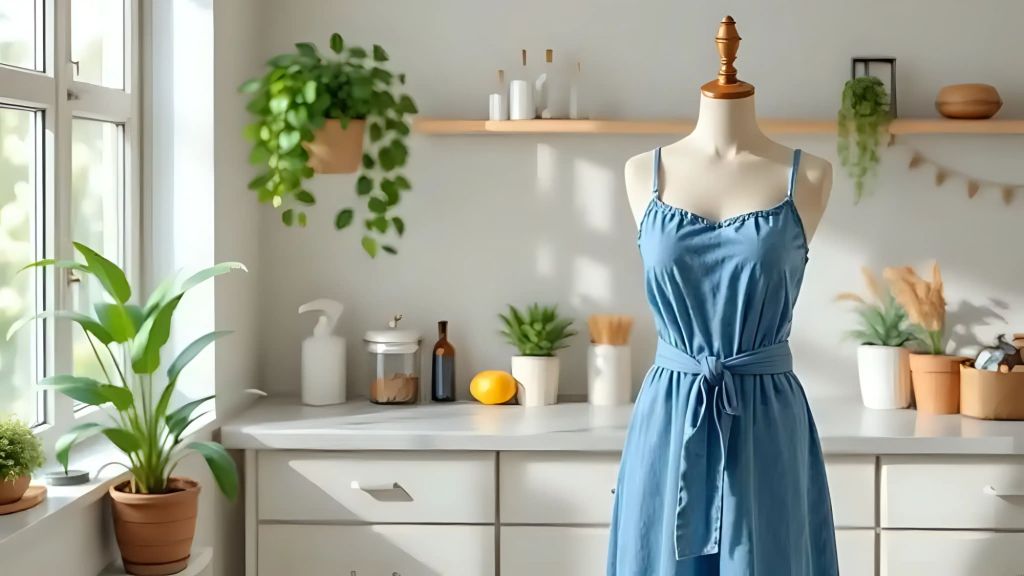
Additionally, the practice of reducing clutter in the home contributes to a toxin-free environment. Less clutter allows for better air circulation, reducing dust accumulation, which is another common source of indoor toxins. Incorporating houseplants, such as spider plants and peace lilies, can also purify the air by absorbing harmful pollutants while adding aesthetic value to living spaces.
In terms of body detoxification, a balanced diet plays a vital role. Modern diets are often laden with processed foods, which are high in sugars, unhealthy fats, and additives. Antioxidant-rich foods, such as fruits and vegetables, can aid in removing free radicals from the body. Foods like blueberries, kale, and garlic are known for their detoxifying properties. The contemporary trend of plant-based diets demonstrates a shift towards healthier eating and minimizing toxic exposure. Influential figures such as Dr. Andrew Weil promote integrative medicine approaches, emphasizing the importance of nutrition in detoxification efforts.
Hydration is another fundamental aspect of body detoxification. Water supports the kidneys in filtering out waste and toxins. Experts recommend drinking sufficient water daily to promote better bodily functions and aid in detoxification processes. Herbal teas, particularly those containing dandelion or milk thistle, can also facilitate liver detoxification, nourishing organs responsible for toxin elimination.
Understanding the role of physical activity cannot be overlooked in detoxifying the body. Regular exercise encourages sweat production, a natural method of expelling toxins from the body. Moreover, physical activity improves blood circulation, enhancing the distribution of nutrients and the removal of waste from cells. The emphasis on holistic health in recent years has led to the popularity of practices like yoga and Pilates, which not only promote physical fitness but also support mental well-being.
The recent rise in popularity of detox programs and retreats reflects society’s growing interest in health. While many of these programs claim to offer quick fixes to detoxify the body, a critical evaluation of their effectiveness is essential. Some experts caution against extreme detox diets, which can lead to nutrient deficiencies and other health issues. A sustainable approach emphasizing continuous healthy habits rather than short-term detox programs is often recommended.
Some future developments in the field of detoxification include advancements in bioremediation and technology-enhanced detox solutions. Research on bio-accumulation and the impacts of environmental toxins continues to evolve, paving the way for innovative methods in removing toxins from both the environment and human bodies. Wearable technology may play a role in monitoring individuals’ exposure to harmful substances and offering personalized detoxification measures based on data collected.
In conclusion, the removal of toxins from our homes and bodies is essential for maintaining overall health. The journey toward a toxin-free lifestyle involves adopting eco-friendly cleaning practices, making dietary adjustments, ensuring adequate hydration, and incorporating physical activity. With an increasing understanding of health and wellness, influenced by historical practices, contemporary research, and innovative technology, society is better equipped to face the challenges posed by environmental toxins. Future developments promise to enhance these efforts, ensuring that healthier living is within reach for all.
References
[1] U.S. Environmental Protection Agency, “Indoor Air Quality”, EPA, Available: https://www.epa.gov/indoor-air-quality-iaq
[2] World Health Organization, “Indoor Pollutants,” WHO, Available: https://www.who.int/airpollution/ambient/health_effects/en/
[3] A. Weil, “Healthy Aging: A Lifelong Guide to Your Well-Being,” Knopf, 2010.
[4] A. S. K. S. P. A. Mann, “The Effect of Indoor Plants on Indoor Air Quality,” Journal of Environmental Quality, vol. 37, no. 5, pp. 5-15, 2008.
[5] J. D. de Alva, “Detox Diets: The Good, the Bad, and the Ugly,” Nutrition Reviews, vol. 75, no. 12, pp. 971-979, 2017.

Leave a comment