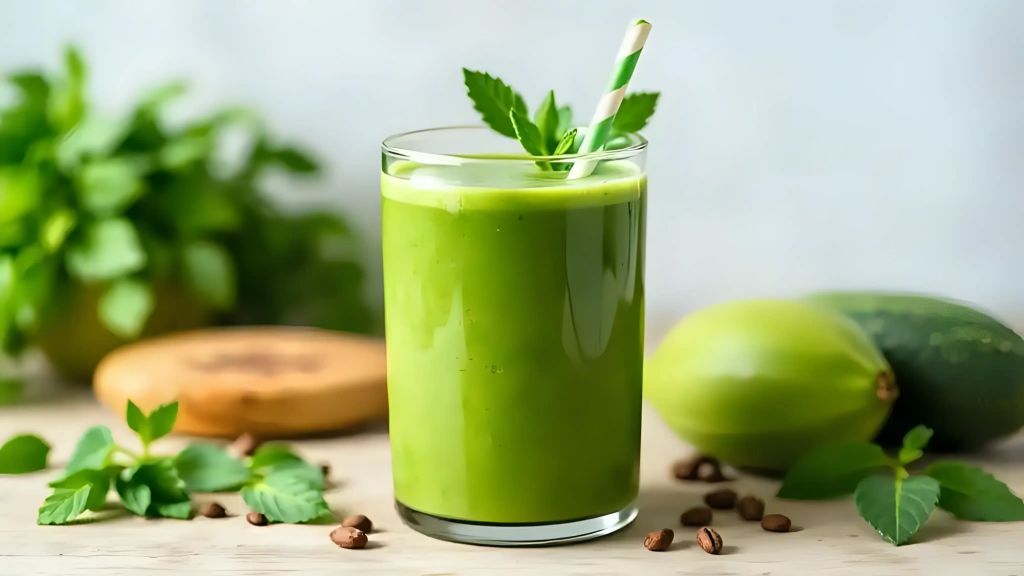
Green smoothies have surged in popularity as a health trend, particularly for detoxification. This essay will explore the significance of green smoothies for detox, their nutritional benefits, various recipes, and how they have gained prominence in modern health culture. Moreover, it will analyze differing perspectives on their efficacy and potential future developments in the field of detox diets.
Green smoothies are blended beverages made from green leafy vegetables, fruits, and other nutritious ingredients. They emerged as a health phenomenon in the early 2000s, primarily influenced by the rise in health awareness and the growing interest in plant-based diets. Notable figures like Dr. J. J. Smith and medical professionals such as Dr. Mark Hyman have played significant roles in popularizing green smoothies for detoxification. Dr. Smith, in her book “Green Smoothie Diet,” emphasizes the consumption of such smoothies as a means of cleansing the body and improving overall well-being.
The primary reason many people opt for a detox through green smoothies is the nutritional density they offer. Leafy greens such as spinach, kale, and collard greens are rich in vitamins A, C, and K, folate, iron, and dietary fiber. These nutrients play critical roles in numerous bodily functions, including immune support and digestion. Moreover, the inclusion of fruits like bananas, apples, and berries not only adds flavor but also infuses the smoothie with antioxidants. Antioxidants combat oxidative stress and support cellular health, further enhancing the detoxification process.
One popular green smoothie recipe is the “Kale and Pineapple Detox Smoothie.” This recipe combines one cup of kale, one banana, half a cup of pineapple, and a cup of coconut water. Kale is renowned for its detoxifying properties due to its high levels of chlorophyll, which is believed to enhance liver function. Pineapple contains bromelain, an enzyme that aids digestion. Coconut water rehydrates the body while providing electrolytes, necessary for optimal bodily function during detox.
Another effective recipe is the “Spinach and Avocado Detox Smoothie.” This variant includes one cup of spinach, half an avocado, one green apple, and a tablespoon of flaxseeds blended with almond milk. Spinach provides vitamin K and folate, contributing to healthy cell function, while avocados offer healthy fats that can aid in nutrient absorption. Flaxseeds are an excellent source of omega-3 fatty acids and dietary fiber, promoting gut health.
Despite the numerous benefits, opinions on detox diets and smoothies can be polarized. Skeptics argue that the concept of detoxification is largely a marketing gimmick. The human body has its own built-in detox systems, primarily the liver, kidneys, and gastrointestinal tract. Proponents of the detox theory assert that processed foods, environmental toxins, and stress can overwhelm these systems, necessitating additional help from detox-friendly foods like green smoothies.
Moreover, there is a debate surrounding the short-term benefits of detox diets versus long-term lifestyle changes. Many individuals may experience quick results, such as weight loss and increased energy levels, during a short detox period. However, sustaining these outcomes requires a commitment to a balanced diet and regular physical activity. Health experts frequently emphasize the importance of integrating green smoothies into a well-rounded diet rather than relying solely on them for detoxification.
Recent studies have also highlighted the role of plant-based diets in promoting health. For instance, research published in the Journal of Nutrition has shown that increasing the intake of fruits and vegetables can reduce the risk of chronic diseases. This aligns with the idea that green smoothies can serve as practical vehicles for enhanced nutrient intake. Furthermore, with sustainability becoming a pressing concern, blending whole foods into smoothies may reduce food waste and encourage a more plant-centric approach to consumption.
Looking ahead, the green smoothie trend is likely to evolve. As consumers become more health-conscious, innovative recipes incorporating superfoods like spirulina, matcha, or adaptogens such as ashwagandha will probably gain traction. Additionally, advancements in technology may lead to more efficient blending techniques that preserve the nutrients of the ingredients. Moreover, a growing interest in personalized nutrition may inspire the development of customized smoothie recipes tailored to individual health needs and preferences.
In conclusion, green smoothies present a nutritionally rich option for those interested in detoxification as part of their health journey. The combination of leafy greens and fruits offers a host of benefits, from antioxidants to vitamins and healthy fats. While perspectives on detoxification can differ, the importance of integrating these smoothies into a balanced lifestyle is universally acknowledged. Future developments in recipe innovation and personalized nutrition will likely sustain the relevance of green smoothies in health trends to come.
References
[1] J. J. Smith, “Green Smoothie Diet,” New York, NY: Harmony Books, 2012.
[2] M. Hyman, “Food: What the Heck Should I Eat?” New York, NY: Little, Brown and Company, 2018.
[3] G. A. O’Neil, et al., “Fruit and Vegetable Consumption and the Risk of Chronic Diseases: A Review,” Journal of Nutrition, vol. 12, no. 2, pp. 638-645, 2021.

Leave a comment