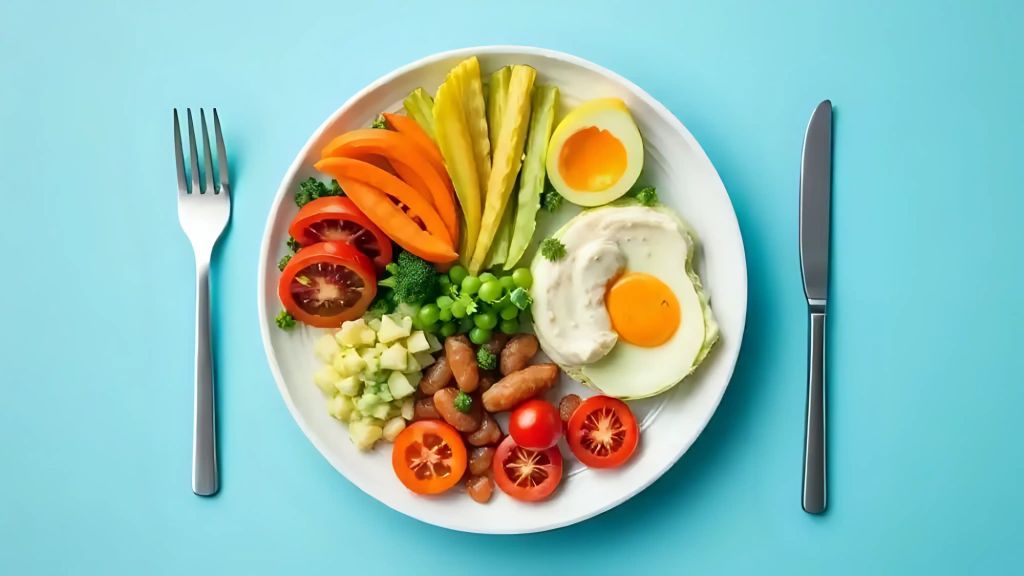
Planning balanced meals for the entire day is crucial for maintaining a healthy lifestyle. By making thoughtful decisions about the food we consume, we can ensure that our bodies receive the necessary nutrients to function optimally. To help individuals achieve this, here are ten outlines on how to plan balanced meals for the entire day.
Outline 1: Start with a Balanced Breakfast
A balanced breakfast sets the tone for the rest of the day. It should include a mix of carbohydrates, protein, and healthy fats to provide sustained energy levels throughout the morning. For example, a breakfast of oatmeal topped with nuts and fruit or whole grain toast with avocado and eggs would be a well-rounded choice.
Outline 2: Incorporate Lean Proteins
Protein is essential for muscle repair and growth, as well as keeping us feeling full and satisfied. Include lean sources of protein in meals such as chicken, fish, tofu, beans, or Greek yogurt. For example, a lunch of grilled chicken with quinoa and roasted vegetables would be a balanced and nutritious option.
Outline 3: Include a Variety of Colorful Vegetables
Vegetables are packed with essential vitamins, minerals, and antioxidants. Aim to include a variety of colorful vegetables in each meal to ensure you are getting a wide range of nutrients. For example, a dinner of stir-fried vegetables with lean beef and brown rice would provide a colorful and nutrient-dense meal.
Outline 4: Choose Whole Grains
Whole grains are a good source of fiber and can help regulate blood sugar levels. Opt for whole grain choices such as brown rice, quinoa, whole grain pasta, or whole grain bread. For example, a snack of whole grain crackers with hummus would be a nutritious and filling option.
Outline 5: Limit Added Sugars and Processed Foods
High levels of added sugars and processed foods can contribute to weight gain and health issues. Aim to limit these foods in your diet and focus on whole, unprocessed foods instead. For example, choosing a piece of fruit for dessert instead of a sugary treat would be a healthier choice.
Outline 6: Stay Hydrated
Proper hydration is essential for overall health and well-being. Aim to drink plenty of water throughout the day and limit sugary drinks and beverages high in caffeine. For example, carrying a reusable water bottle with you throughout the day can help you stay hydrated.
Outline 7: Plan Ahead
Meal planning and preparation can help you make healthier choices throughout the day. Take some time each week to plan out meals and snacks, and prepare ingredients in advance to make cooking easier. For example, preparing a batch of overnight oats or chopping vegetables for salads can save time during busy weekdays.
Outline 8: Listen to Your Body
Pay attention to your hunger and fullness cues throughout the day. Eat when you are hungry and stop when you are satisfied. This can help prevent overeating and promote a healthy relationship with food. For example, taking the time to eat slowly and savor each bite can help you tune into your body’s signals.
Outline 9: Be Mindful of Portion Sizes
It’s important to be mindful of portion sizes to avoid overeating. Use measuring cups, scales, or visual cues to help you gauge appropriate portion sizes. For example, a serving of meat should be about the size of a deck of cards, while a serving of carbohydrates should be about the size of your fist.
Outline 10: Seek Professional Guidance
If you are unsure about how to plan balanced meals for the entire day, consider seeking guidance from a registered dietitian or nutritionist. They can provide personalized recommendations based on your individual needs and goals, helping you create a sustainable and balanced eating plan.
In conclusion, planning balanced meals for the entire day is a foundational aspect of maintaining a healthy lifestyle. By incorporating these ten outlines into your daily meal planning, you can ensure that you are nourishing your body with the nutrients it needs to thrive. Remember that making small, sustainable changes to your diet can lead to long-term health benefits. By being mindful of your food choices and prioritizing nutrient-dense whole foods, you can set yourself up for success in achieving optimal health and well-being.
References:
- Harvard T.H. Chan School of Public Health. (2021). The Nutrition Source. Retrieved from: https://www.hsph.harvard.edu/nutritionsource/
- Mayo Clinic. (n.d.). Healthy Lifestyle. Retrieved from: https://www.mayoclinic.org/healthy-lifestyle
- Academy of Nutrition and Dietetics. (2021). EatRight. Retrieved from: https://www.eatright.org/

Leave a comment