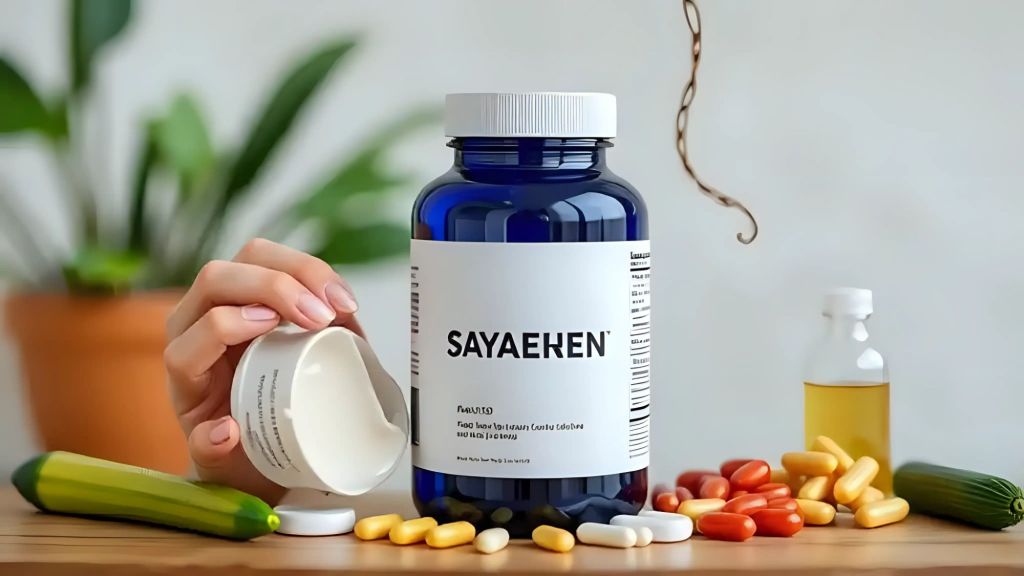
The growing interest in health and wellness has sparked a significant shift towards dietary supplements. This surge is driven by an increasing awareness of nutrition’s role in overall health. People are more conscious of what they consume and how it affects their well-being. This essay discusses five key supplements that individuals should consider incorporating into their routines. These supplements include omega-3 fatty acids, vitamin D, probiotics, magnesium, and curcumin. Each of these plays a vital role in enhancing health and preventing disease.
Omega-3 fatty acids are essential fats that our bodies cannot produce. They are primarily found in fish oils and certain plant sources such as flaxseed. Historically, omega-3s have been part of human diets, particularly among populations consuming high amounts of fish. Research has consistently shown that omega-3 fatty acids offer numerous health benefits, including reducing inflammation and lowering the risk of heart disease. Recent studies have also linked omega-3 consumption with improved mental health, potentially reducing symptoms of depression and anxiety. Influential figures in this field, such as Dr. William Harris, have contributed significantly to our understanding of the importance of omega-3 fatty acids in health.
Vitamin D, often referred to as the “sunshine vitamin,” is crucial for bone health and immune function. Historically, Vitamin D deficiency was widespread in populations with limited sun exposure. The discovery of its role in bone health paved the way for enhanced awareness of its importance. In recent years, research has highlighted its role beyond bone health, indicating links to reducing the risk of various chronic diseases, including certain cancers and autoimmune disorders. With the rise of indoor lifestyles and increased sunscreen usage, many individuals find it challenging to meet their Vitamin D requirements. Therefore, supplementation has become essential for many, particularly in areas with limited sunlight.
Probiotics are beneficial bacteria that reside in our gut. The concept of probiotics traces back centuries, originating from the consumption of fermented foods. The gut microbiome has gained attention as crucial for overall health, influencing digestion, immunity, and even mental health through the gut-brain axis. Studies have shown that probiotics can help alleviate digestive disorders, support the immune system, and improve mood. Noteworthy researchers in this area, such as Dr. Elena Verdu, have contributed to understanding how probiotics can be used therapeutically. With the advent of new sequencing technologies, the future of probiotics looks promising, as individualized probiotic therapies may become a reality, tailored to the unique microbiomes of individuals.
Magnesium is another vital supplement that many people overlook. This mineral is involved in over 300 biochemical reactions in the body. Historically, magnesium-rich diets were common. However, modern agricultural practices and processed foods have led to a significant decrease in dietary magnesium intake. Magnesium plays a critical role in muscle function, blood sugar control, and blood pressure regulation. Recent research suggests that magnesium deficiency may be linked to various health issues, including migraines, anxiety, and cardiovascular diseases. Influential nutritionists like Dr. Carolyn Dean have advocated for increased magnesium intake through supplementation. The understanding of magnesium’s importance has paved the way for public health initiatives aimed at addressing common deficiencies.
Curcumin, the active compound in turmeric, has gained significant attention for its anti-inflammatory and antioxidant properties. Traditionally used in Ayurvedic medicine, curcumin has seen a resurgence in popularity due to its potential health benefits. Many studies have demonstrated curcumin’s efficacy in reducing inflammation and its potential role in chronic disease prevention, including heart disease and cancer. Influential researchers like Dr. Ajay Goel have focused on elucidating curcumin’s mechanisms and its therapeutic potential. As scientific research advances, curcumin supplements are becoming more refined, leading to improved bioavailability and effectiveness.
While these five supplements offer numerous benefits, it is crucial to approach supplementation carefully and knowledgeably. The effectiveness of these supplements can vary significantly based on individual health conditions, dietary habits, and genetic factors. Additionally, the market for supplements is largely unregulated, raising concerns about the quality and purity of products available to consumers. Thus, it is advisable for individuals to consult healthcare professionals before integrating supplements into their routines.
The future of dietary supplements is promising, with advancements in research continuously uncovering new findings about different supplements and their potential health impacts. Personalized nutrition, including tailored supplementation based on genetic and microbiome analysis, is becoming more within reach. As technology progresses, individuals may have greater access to information that allows them to make informed choices about their dietary supplements, leading to better health outcomes.
In conclusion, the incorporation of specific supplements such as omega-3 fatty acids, vitamin D, probiotics, magnesium, and curcumin can significantly enhance health. Understanding their roles, historical contexts, and potential benefits equips individuals to make informed decisions regarding their health. The focus should remain on high-quality supplementation, informed by scientific evidence and tailored to individual health needs. As research continues to evolve, the integration of supplements into a holistic approach to health and wellness will be paramount.
References
[1] W. S. Harris, “Omega-3 fatty acids and cardiovascular disease: A case for omega-3 index,” CA: A Cancer Journal for Clinicians, vol. 57, no. 2, pp. 117-125, 2007.
[2] M. Holick, “Vitamin D deficiency,” New England Journal of Medicine, vol. 357, no. 3, pp. 266-281, 2007.
[3] E. Verdu et al., “Probiotics: A new frontier in health,” Gut Microbes, vol. 1, no. 3, pp. 152-158, 2010.
[4] C. Dean, “The Magnesium Miracle,” Ballantine Books, 2010.
[5] A. Goel et al., “Curcumin as an anti-cancer agent: A review,” Journal of Gastric Cancer, vol. 13, no. 2, pp. 120-126, 2013.

Leave a comment